


A homeowner shopping for a whole-house backup generator thought the biggest decision would be choosing the unit. Instead, the real sticker shock came later, when the gas company said the home's existing service could not support it without a costly upgrade.
That warning could save other shoppers thousands of dollars before they sign any dotted lines.
What happened?
A homeowner took to Reddit to explain the situation.
In their post, the homeowner explained that after weeks of conversations with emergency generator contractors, they discovered that the local gas company wanted more than $9,000 for a larger gas meter and service pipe to coincide with the upgrade.
That utility work would have pushed the project's cost to about $23,000. According to the poster, the generator itself was around $7,000, installation was another $7,000, and the price could climb even more if a big-box retailer was involved.
Why does it matter?
A standby generator may look affordable at first, but the final price can change dramatically if the existing gas service is already at capacity.
TCD Picks » Quince Spotlight
💡These best-sellers from Quince deliver affordable, sustainable luxury for all




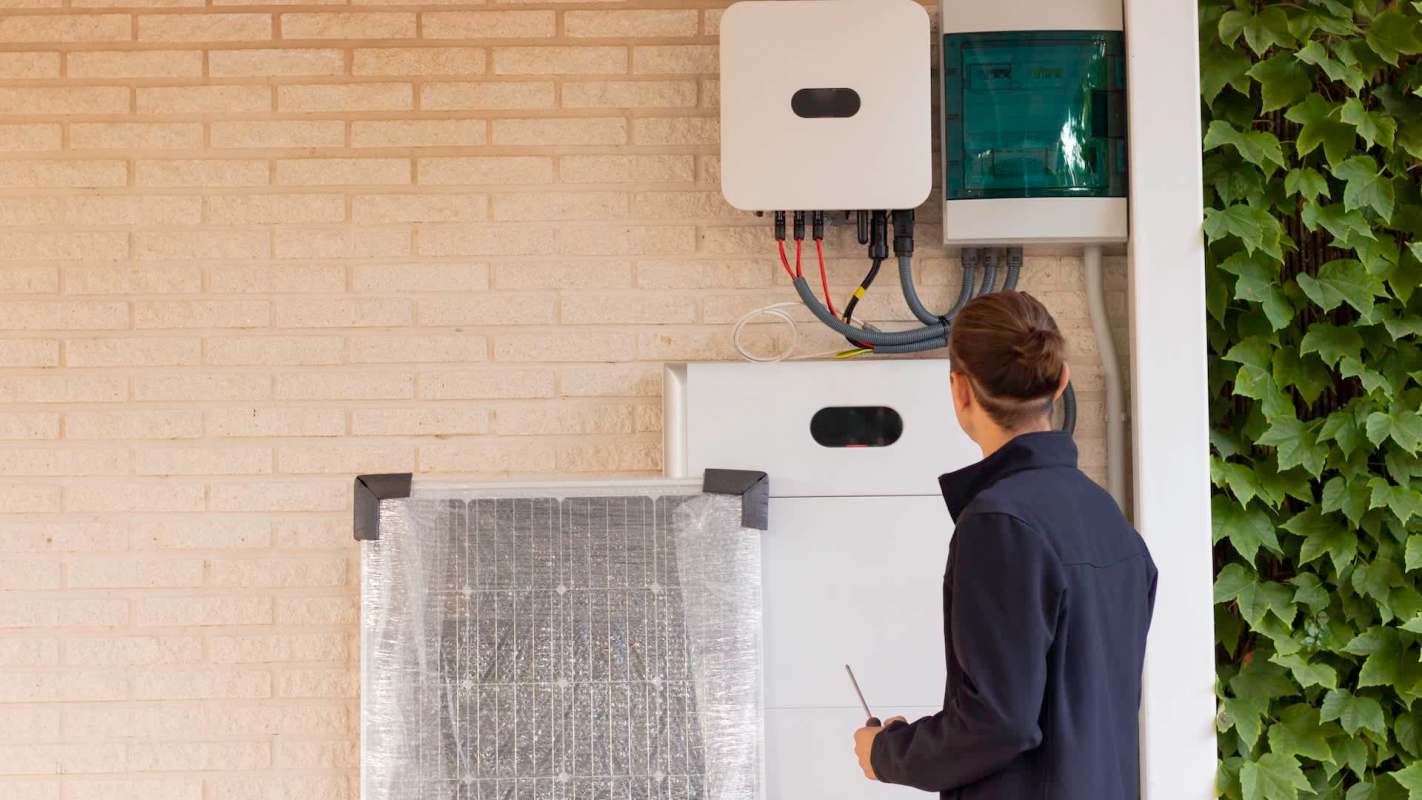
Luckily, fossil-fuel-powered generators are not the only option for homeowners looking for reliable backup power. More and more homeowners are turning to solar panels and backup batteries for emergency energy.
In addition to keeping your lights on during blackouts, solar panels can help dramatically reduce your monthly energy costs.
"At that price, consider solar power. At least solar pays you back a little bit of money in savings over time," one user wrote in the comments.
What can I do?
Before you commit to a standby generator, it's worth considering solar panels and backup batteries.
The technology can help avoid pricey gas line upgrades and shave your monthly energy bills.
In fact, some homeowners who upgrade to solar panels and battery backups can save over six figures on energy bills over the lifetime of their system.
Homeowners across the country can also benefit from local incentives for solar and batteries.
One user in the comments noted that when they installed batteries, local incentives covered over 50% of the upfront costs. Now, they expect to save over $30,000 on energy costs over the first 10 years of owning the system.

Get TCD's free newsletters for easy tips, smart advice, and a chance to earn $5,000 toward home upgrades. To see more stories like this one, change your Google preferences here.






