


After nearly two days without electricity following storms, one homeowner did what many people do during a blackout: buy a generator first and sort out the details later.
But after the immediate emergency passed, a more specific question emerged — when the power comes back, is it better to drain the fuel or add stabilizer and store it?
What happened?
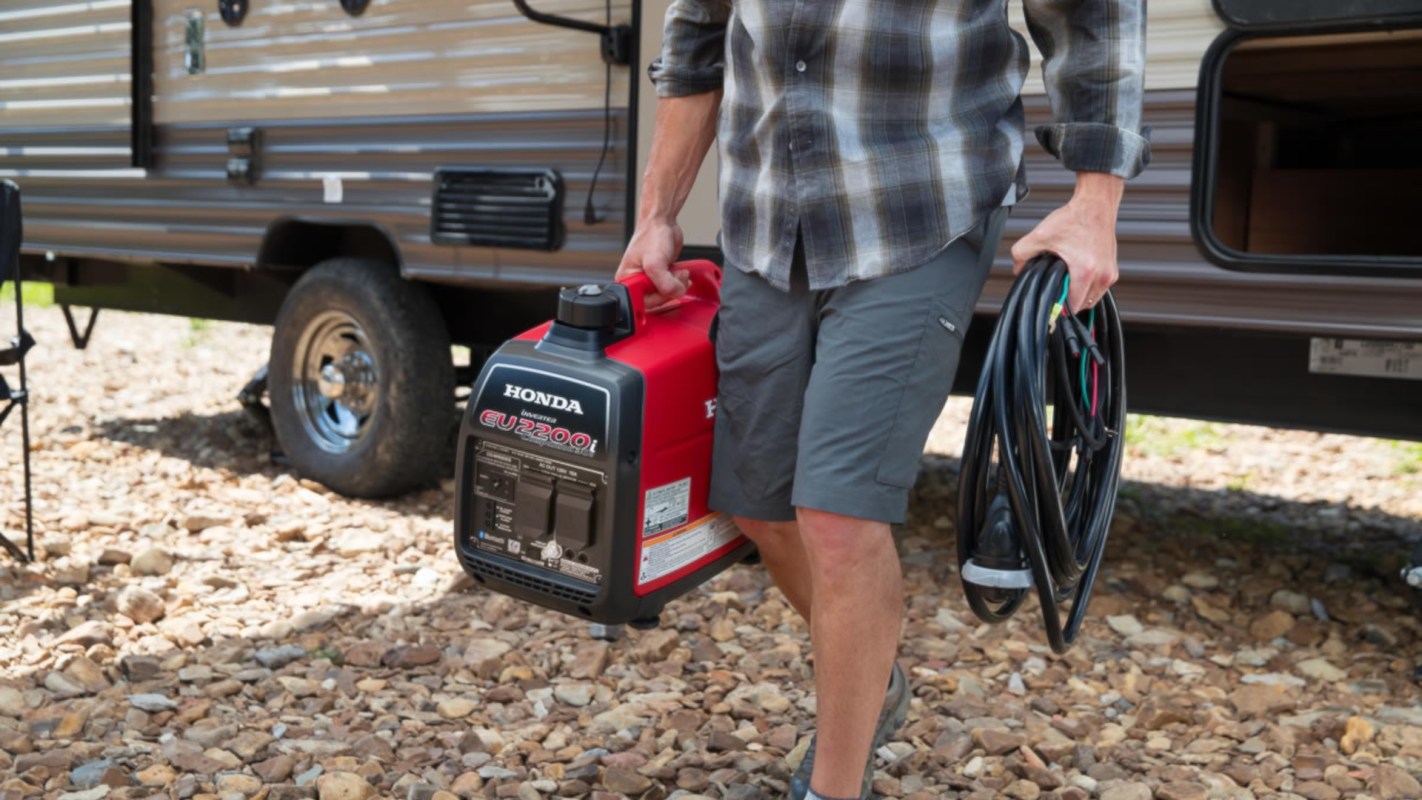
In a post on Reddit, the original poster said they had just purchased a new EU2200 generator while still dealing with an extended outage. "So we haven't had power for about 40 hours because of storms and no idea when we will get power back," they explained.
By that point, saving the freezer was no longer possible — "So RIP to that food." Instead, the homeowner said the generator would mainly be used to recharge portable power stations and tool-battery chargers for fans and other small essentials.
What they were most unsure about was storage once electricity returned. "I plan to drain the fuel and such. There isn't anything else to do right?" the poster asked, while also wondering whether fuel stabilizer still matters if they plan on "running it out of gas and then draining the gas."
It is a common question for first-time generator owners, especially after storm-related outages, when people rush to buy backup power and may only use it occasionally.
TCD Picks » Quince Spotlight
💡These best-sellers from Quince deliver affordable, sustainable luxury for all




Why does it matter?
For households dealing with more frequent severe weather, a generator can be a money-saving tool — but only if it is used and stored properly. Poor fuel management can leave gasoline sitting too long, which may gum up a carburetor and lead to hard starts, repairs, or a shorter lifespan for the equipment.
Generators are often bought to prevent even larger losses. In this case, the homeowner had already lost food stored in the freezer.
There is also a smaller day-to-day savings benefit in the poster's setup. Using a generator to recharge battery packs and power stations instead of running it continuously for every small need can cut gasoline use, reduce noise, and put less wear on the machine.
Over a multiday outage, that can add up to meaningful fuel savings.
What can I do?
The first step is to follow the manual carefully. That includes checking the oil before first use, operating the generator only outdoors and well away from doors or windows, and making sure cords and electrical loads are used safely.
If fuel is going to remain in the generator for a while, a stabilizer can help keep it fresh. If the plan is truly to store it empty, the key is making sure the fuel system is drained the way the manufacturer recommends — not just the tank, but any part of the system the manual says to clear.
Then, the drained fuel must be disposed of properly to state and local requirements, such as at a Household Material Recovery Facility (H-MRF). It must never be poured down a drain, discarded in regular trash, or dumped out on the ground.
These logistics are one of the reasons home battery backup options have gained steam in recent years, whether they be whole-home options like those found on EnergySage or individual outlet-based units like those from Pila that can support a specific purpose, like a refrigerator.
Using the generator as one piece of a broader backup setup can make sense either way. Charging portable power stations, tool batteries, phones, and fans allows each tank to last longer.
That can lower fuel costs, reduce maintenance needs, and make the generator more useful the next time the grid goes down.
"I read the manual this morning before I bought it," the homeowner wrote, before asking the question many storm-weary buyers eventually face: "There isn't anything else to do right?"
"Did the manual tell you to do your first oil-change at a shortened break-in interval? Do what it says," one commenter replied.
"Fuel stabilizer is a good idea because it saves you from having to run it out of gas, if you're storing it for less than a year. And since the human is usually the weak link in these things and practicing with it is the single most important thing you can do, there's never a reason to store it for more than a year."

Get TCD's free newsletters for easy tips, smart advice, and a chance to earn $5,000 toward home upgrades. To see more stories like this one, change your Google preferences here.






