


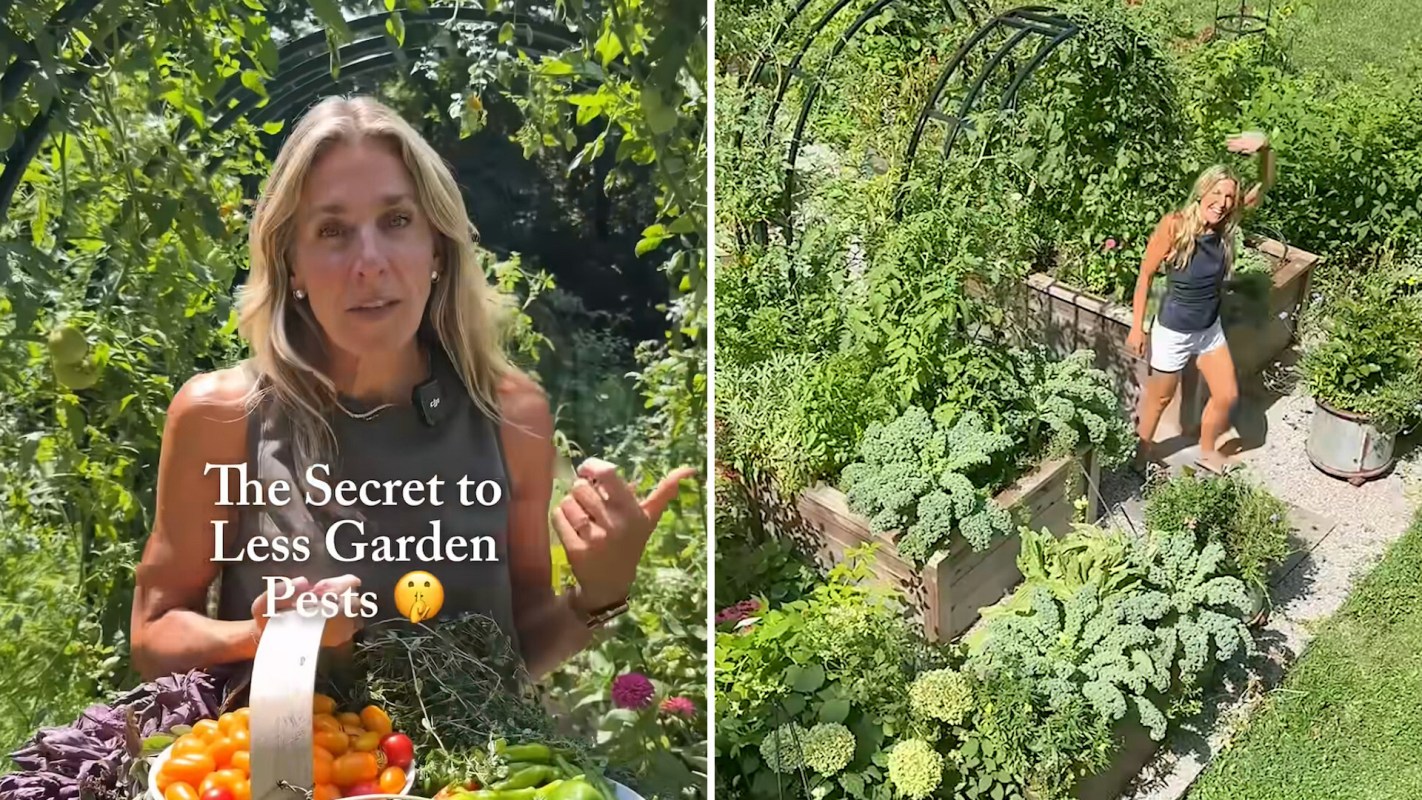
Garden pests can make even the most enthusiastic new grower feel defeated in a hurry. But gardening content creator Nicole Burke (@gardenary) is making the case that a healthier, more resilient garden may start with adding more life, not more chemicals or barriers.
That idea could be especially appealing to home gardeners looking to protect their harvests without relying on harmful sprays or fencing products.
What's happening?
Burke highlighted a pest-control method that leans on biodiversity instead of chemical products in a video published Aug. 9 on the Gardenary YouTube channel.
The creator explained why the topic keeps coming up.
"Pests are the biggest question I get about gardening," she tees up in the caption.
Instead of recommending a product to buy, Burke emphasized ecosystem health as the main answer. In her words, "The solution is almost always balancing the ecosystem."
TCD Picks » Quince Spotlight
💡These best-sellers from Quince deliver affordable, sustainable luxury for all




Instead of a deer fence designed to keep animals out, Burke explains that she has a living fence. It is a perimeter of native plants that provides plenty of food for local wildlife.
It also supports habitat for predators who will keep their smaller prey from venturing into the food garden. Boosting pollinators is another positive of the arrangement, with bees and butterflies populating the area.
For people who want to try that approach, the video pointed viewers to a native-plant guide as a place to begin.
Why does it matter?
Pest problems can quickly turn an affordable, healthy hobby into a frustrating one. If a garden gets wiped out by insects or animals, people may feel pushed toward sprays they would rather avoid.
One of the biggest benefits of growing food at home is having more control over what touches it. A productive garden can also help households save money on produce, especially for items such as herbs, greens, peppers, and tomatoes, which can be expensive at the store.
Fruits and vegetables picked straight from the garden often taste better because they can ripen fully before harvest instead of being transported long distances.
Gardening can support both physical and mental health. Digging, planting, watering, and weeding can provide light exercise, while spending time outdoors and tending plants can help reduce stress and build a sense of accomplishment.
What can I do?
This kind of pest control can start small. Adding native flowers near raised beds or containers can help attract pollinators and other beneficial insects while creating a more balanced mini-ecosystem in your yard.
Diversifying what you grow can also help. Mixing vegetables, herbs, and flowers can make a garden less of a single-target buffet for pests, and it may improve the look and productivity of the space at the same time.
Practical steps such as choosing regionally appropriate plants, watching for damage early, and avoiding blanket spraying can make a big difference.
"Adding pollinators and native plants will distract animals and keep them away from your harvests," Burke advises in the caption.

Get TCD's free newsletters for easy tips, smart advice, and a chance to earn $5,000 toward home upgrades. To see more stories like this one, change your Google preferences here.






