


One homeowner stretched the definition of "DIY" with their incredible home energy setup using a whopping 60 solar panels.
Normally, a project this large would be reserved for a professional installer such as those you can find on EnergySage, where it's easy to compare quotes for free.
However, this ambitious owner wanted to tackle the project on their own. They documented their incredible seven-month journey on Reddit.
"A condensed 'start to finish' of our DIY system, grid tied 21.9 kilowatt consisting of a homemade racking system, 60 365-watt panels, and two 10 kilowatt inverters," they said in their post.
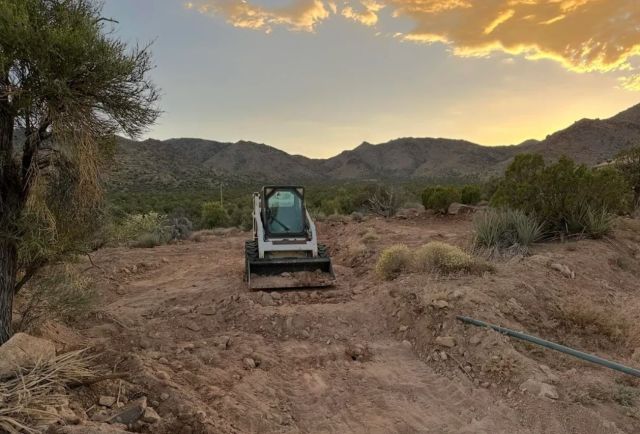

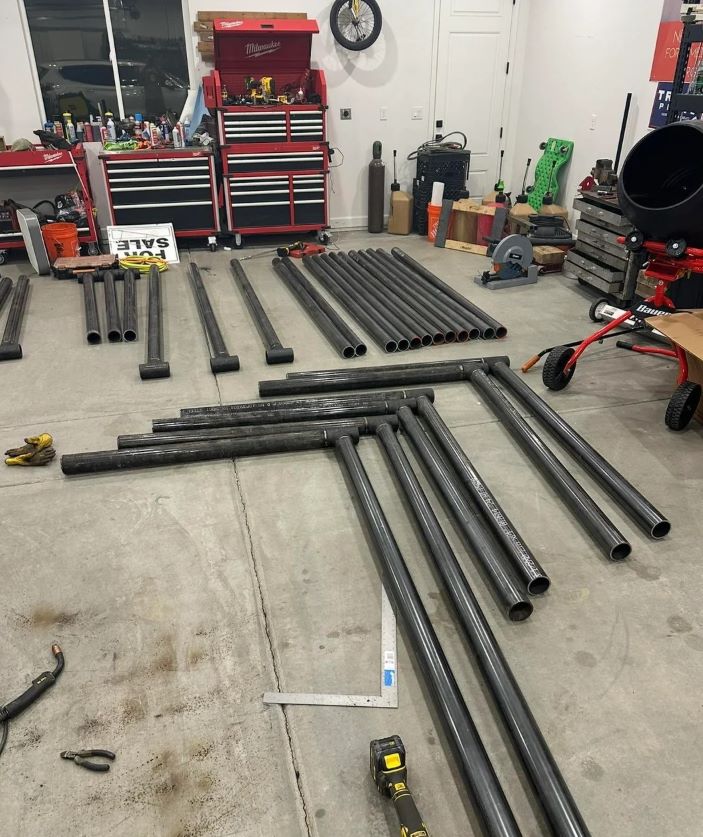
Their first few photos show the cleared ground and the digger used to clear it, as well as the large-gauge pipes they used to build the racking system.
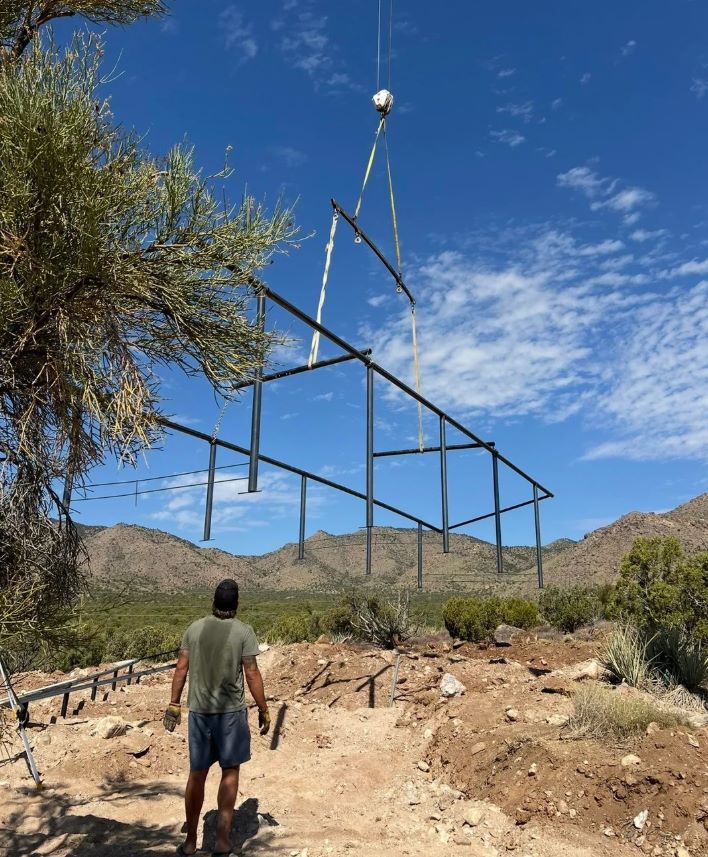
After assembling it with a forklift and lifting it into place with a crane, the original poster topped the structure with 60 solar panels.
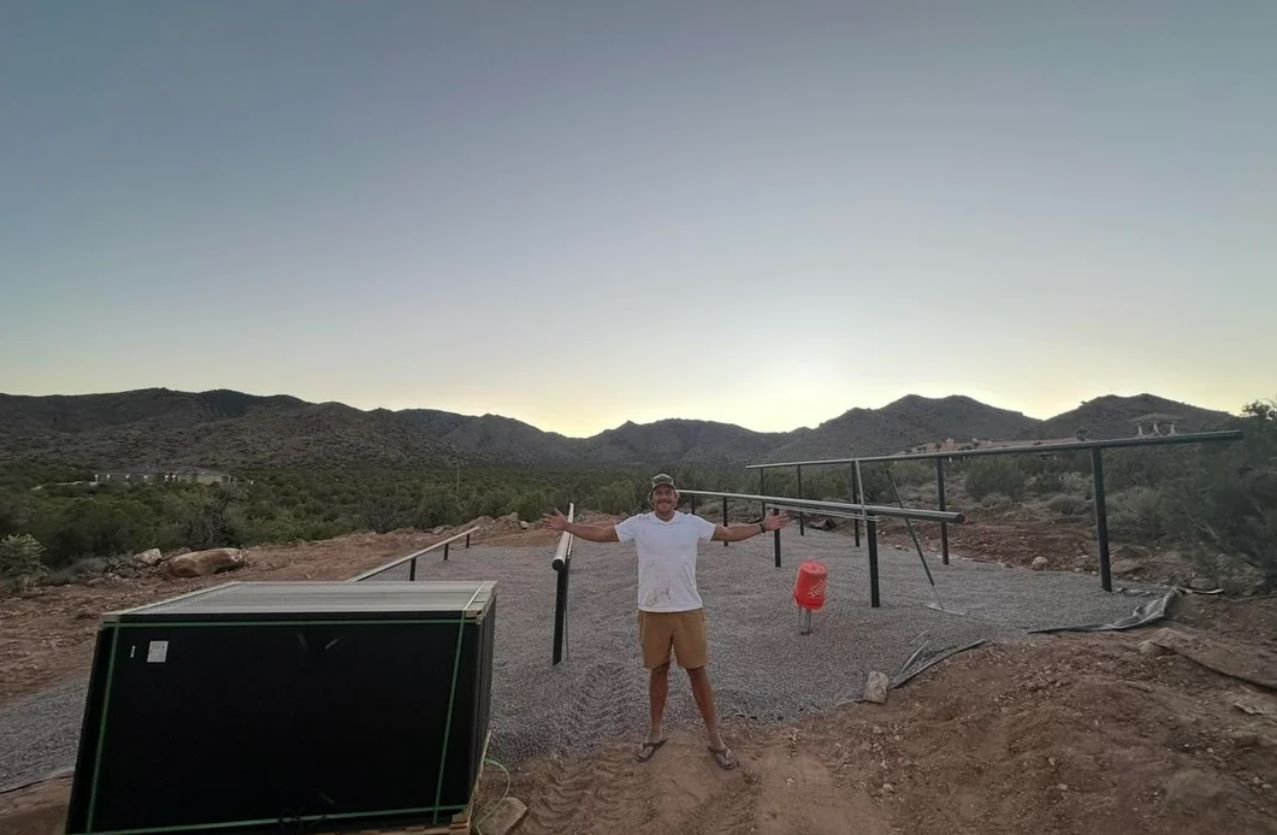
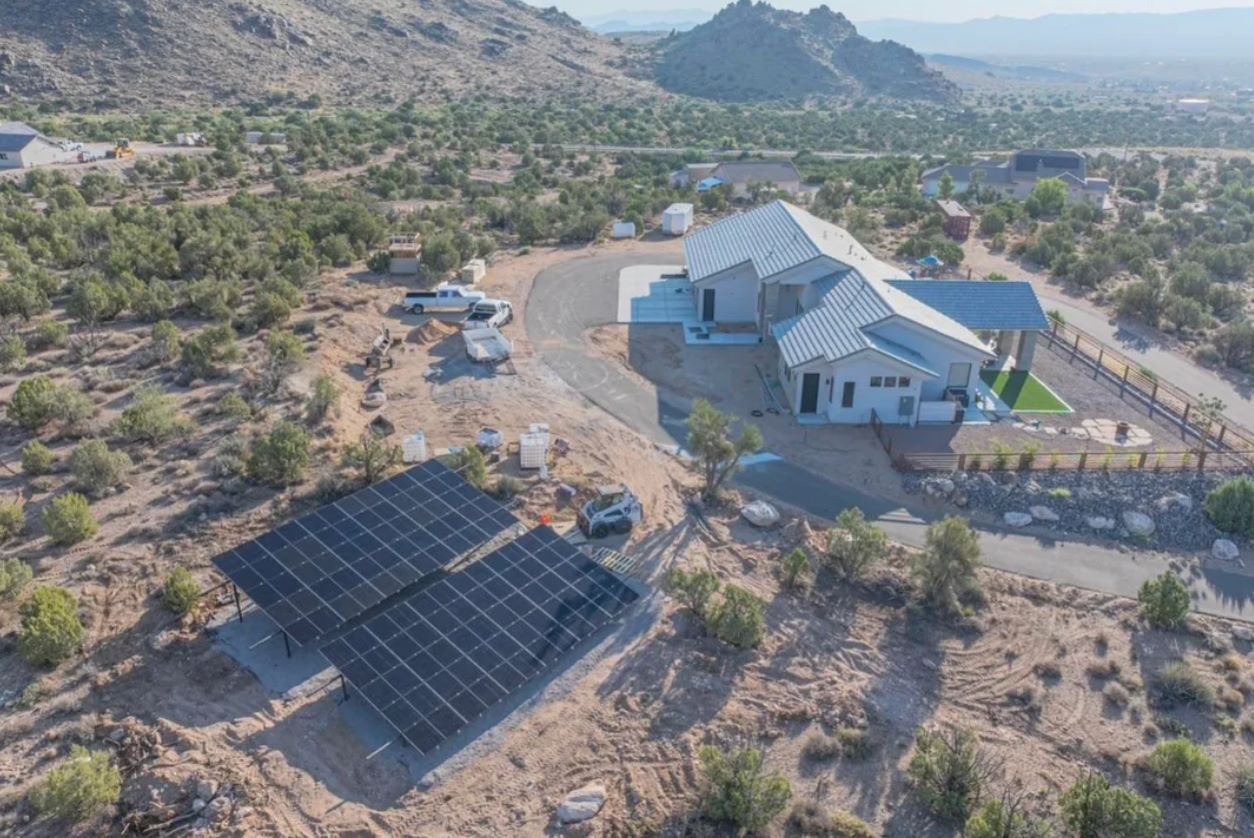
The result was a system that, according to the original poster, produces 151 kilowatts per day, most of which they export to the grid.
"I export a ton," the original poster explained in a comment. "Megawatts a month. But given our nighttime usage, I actually still had a bill a couple months this winter. I'm expecting to have a credit overall for the year when it's over."
Save $10,000 on solar panels without even sharing your phone number Want to go solar but not sure who to trust? EnergySage has your back with free and transparent quotes from fully vetted providers that can help you save as much as $10k on installation. To get started, just answer a few questions about your home — no phone number required. Within a day or two, EnergySage will email you the best local options for your needs, and their expert advisers can help you compare quotes and pick a winner. |

They later added, "Depending on time of year where I'm at, I pay $.16-$.23kW, but I export at $.0733kW. So I basically need to produce three to four times what I buy to break even."
Once the original poster achieves that goal, however, they will essentially have no power bill. They pegged the cost to DIY the system at $32,000, and the U.S. Energy Information Administration puts the average energy usage of an American home at 10,791 kilowatt-hours per year.
|
If you don't have solar panels on your home, which of these factors is the biggest barrier to installing them? Click your choice to see results and speak your mind. |
 Upfront costs 💰
 That means that, at the price the original poster pays for power now, the system will pay for itself in 13 to 19 years — less than the average lifespan of a solar panel.
All the money they save after that is profit, and the system will pay for itself even sooner if the price of power in their area goes up, which is likely.
More From EnergySage
💡Go deep on the latest news and trends shaping the residential solar landscape




That's on top of the environmental benefits of clean energy, like reduced pollution. That's a lot of power to put in one homeowner's hands.
"Congrats on your small industrial power plant," one commenter joked.
If you'd like to tackle a project like this without the heavy-duty DIY, use EnergySage to save up to $10,000 on your solar panel installation. The company's free online tools will help you find local installers and compare quotes conveniently and without intrusive advertisements.
The time to act is now, as existing federal incentives to install solar panels and batteries will expire at the end of 2025. To see what incentives are available in your state, along with the average cost of solar panels in your area, use EnergySage's free mapping tool.
You can also maximize your savings with an energy-efficient heat pump to heat and cool your home — and EnergySage can help you find someone to install that, too.

Join our free newsletter for easy tips to save more and waste less, and don't miss this cool list of easy ways to help yourself while helping the planet.
Cool Picks


