


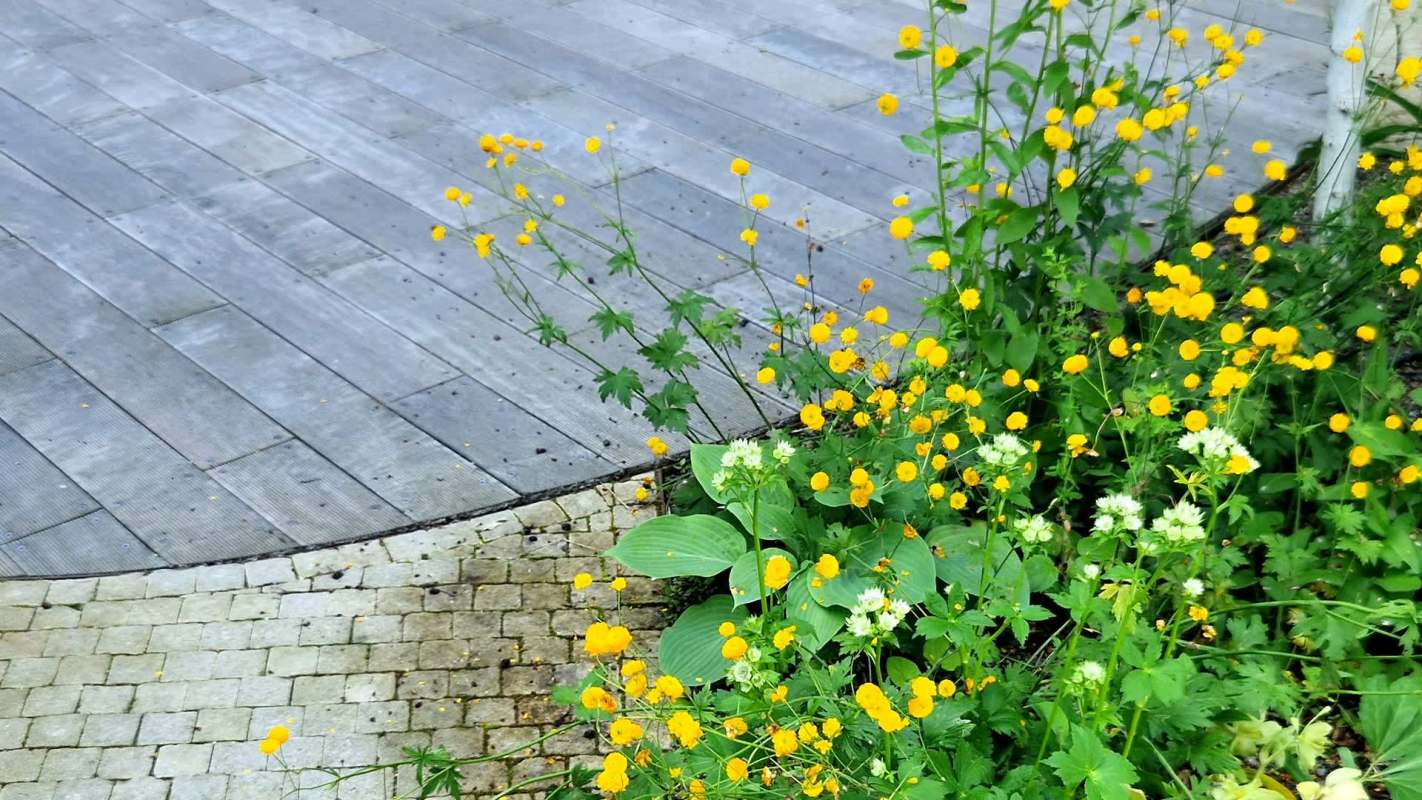
Three years, countless blooms, and zero grass later, this homeowner's yard makeover is proof that ditching turf can be beautiful, practical, and planet-friendly.
In a recent post on the r/NativePlantGardening subreddit, the proud homeowner shared before-and-after photos of their "parkway project," revealing how they replaced a thirsty strip of turf with a thriving mix of drought-tolerant native plants.
The post quickly drew praise from fellow gardeners and sustainability enthusiasts, who were inspired by the lush, low-maintenance results.
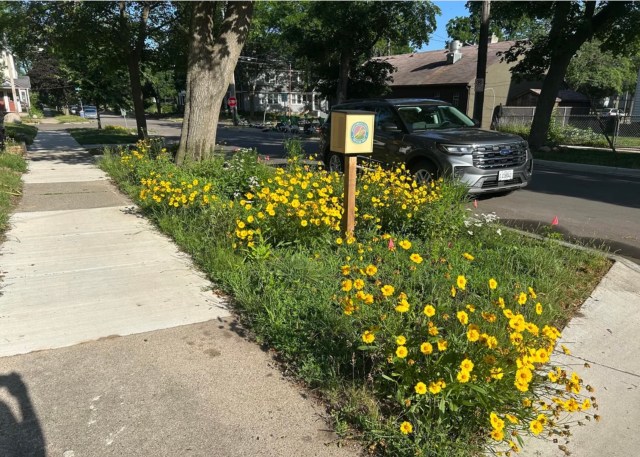
"I've been working on this for three years, and it's finally coming together," the homeowner wrote in the caption, noting how little watering and upkeep the plants require compared to the grass they replaced.
The transformation shows a dense variety of greens, dotted with flowers that provide food and habitat for pollinators like bees and butterflies.
Replacing a traditional lawn with native plants can dramatically reduce water use, lower utility bills, and reduce the time spent mowing and maintaining grass.
It also helps create a healthier ecosystem for pollinators, which in turn supports our food supply. Even small swaps, like planting clover, buffalo grass, or incorporating xeriscaping elements, can yield big environmental benefits.
This approach isn't just eco-friendly — it's also resilient. Native plants are adapted to local conditions, making them hardier during droughts or heat waves. And unlike conventional grass, they don't require frequent chemical fertilizers or pesticides, reducing the chance of chemical runoff into waterways.
Commenters on Reddit were quick to cheer the project on. "It looks awesome," one commenter wrote. Another user said, "I am sure that you, your neighbors, and the local critters all appreciate it."
A third wondered, "Have you had some good feedback from neighbors/passersby?" The original poster replied in the affirmative.
TCD Picks » Quince Spotlight
💡These best-sellers from Quince deliver affordable, sustainable luxury for all




By replacing just a few square feet of grass, this homeowner proved that you don't need acres to make a big environmental impact — just a little patience, some pollinator-friendly plants, and a vision for what your yard can be.
|
What is the biggest reason you don't grow food at home? Click your choice to see results and speak your mind. |
 Not enough time ⏳
Join our free newsletter for easy tips to save more and waste less, and don't miss this cool list of easy ways to help yourself while helping the planet.
Cool Picks






