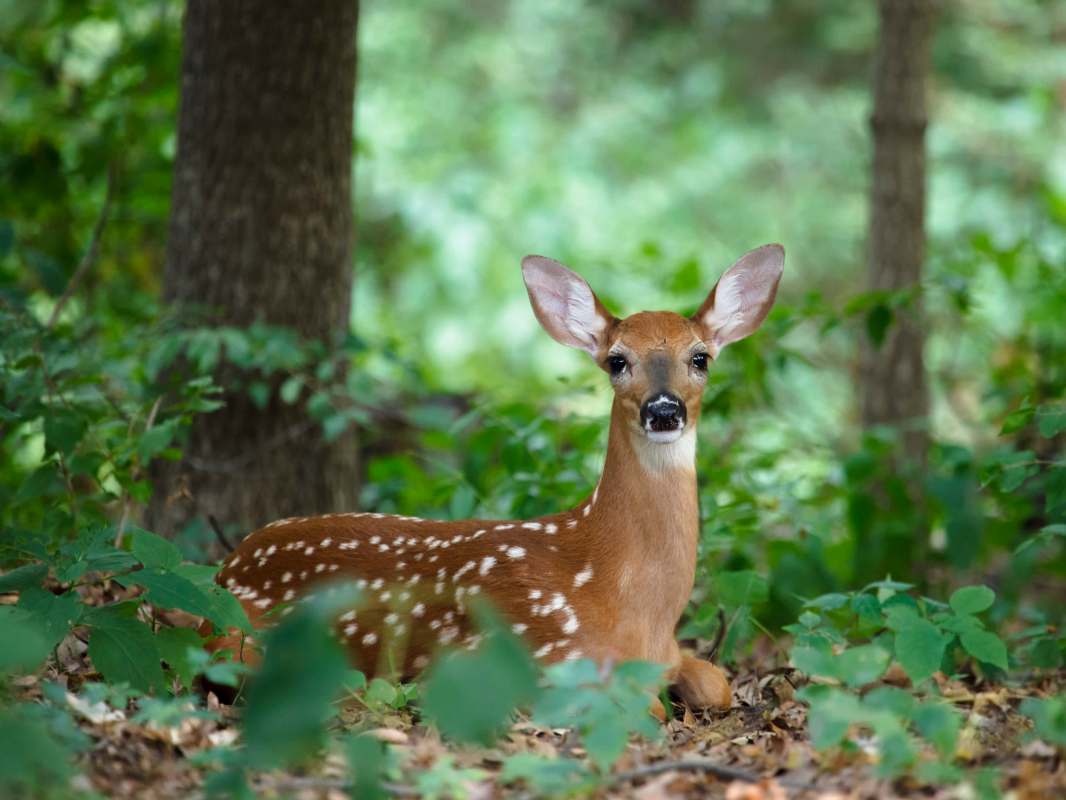
A coyote decoy meant to keep deer out of a garden ended up failing in a pretty funny way. Instead of working as a deterrent, an image shared by the gardener using it showed how the fake predator became an unlikely companion.
What happened?
The image appeared in a recent Reddit post on r/gardening under the title "Coyote decoys for deer." Rather than avoiding the faux coyote, a young deer had curled up next to it.
What followed in the comment thread was part comedy, part wildlife lesson. Along with joking about the picture, several Redditors explained that deer often stop reacting to stationary objects once they realize those objects do not move or threaten them.
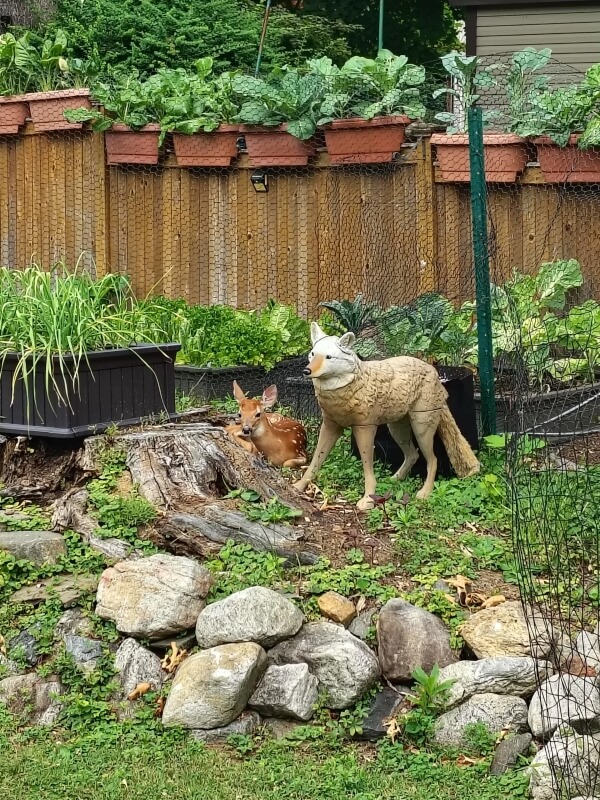
"Deer don't use vision like humans do. They look for small movements and crouching predators," one person commented. "If they stay still deer don't see them. … That statue is basically a rock or bush."
Commenters also noted that deer are not especially strong at judging motion or distance. They said that non-moving decoys usually aren't as effective as people think they'd be.
Why does it matter?
Deer damage can get expensive fast. A single visit can wipe out tender vegetables, chew through ornamentals, or undo weeks of work in a garden bed.
TCD Picks » Good Store Spotlight
Get 10% off your next purchase with code TCD10
When solutions don't work, they can lead to wasted money and more trial and error for gardeners already dealing with rising outdoor maintenance costs.
Deer are also highly adaptable, especially in neighborhoods where they regularly encounter people, pets, and decor. But human adaptation to deer behavior doesn't have to be expensive or labor-intensive.
What can I do?
If deer are treating your yard like a buffet, commenters had a few suggestions. Motion-activated sprinklers can startle animals in a way static decoys cannot, and moving a fake predator around may help it stay believable a little longer.
Garden design can help, too. Mixing in deer-resistant native plants, protecting vulnerable beds, and reducing large patches of highly attractive greenery can make a yard less appealing.
Even a partial lawn replacement can pay off. Swapping some grass for clover, buffalo grass, native ground cover, or a xeriscaped area can lower water bills and reduce time spent on maintenance.

Get TCD's free newsletters for easy tips, smart advice, and a chance to earn $5,000 toward home upgrades. To see more stories like this one, change your Google preferences here.