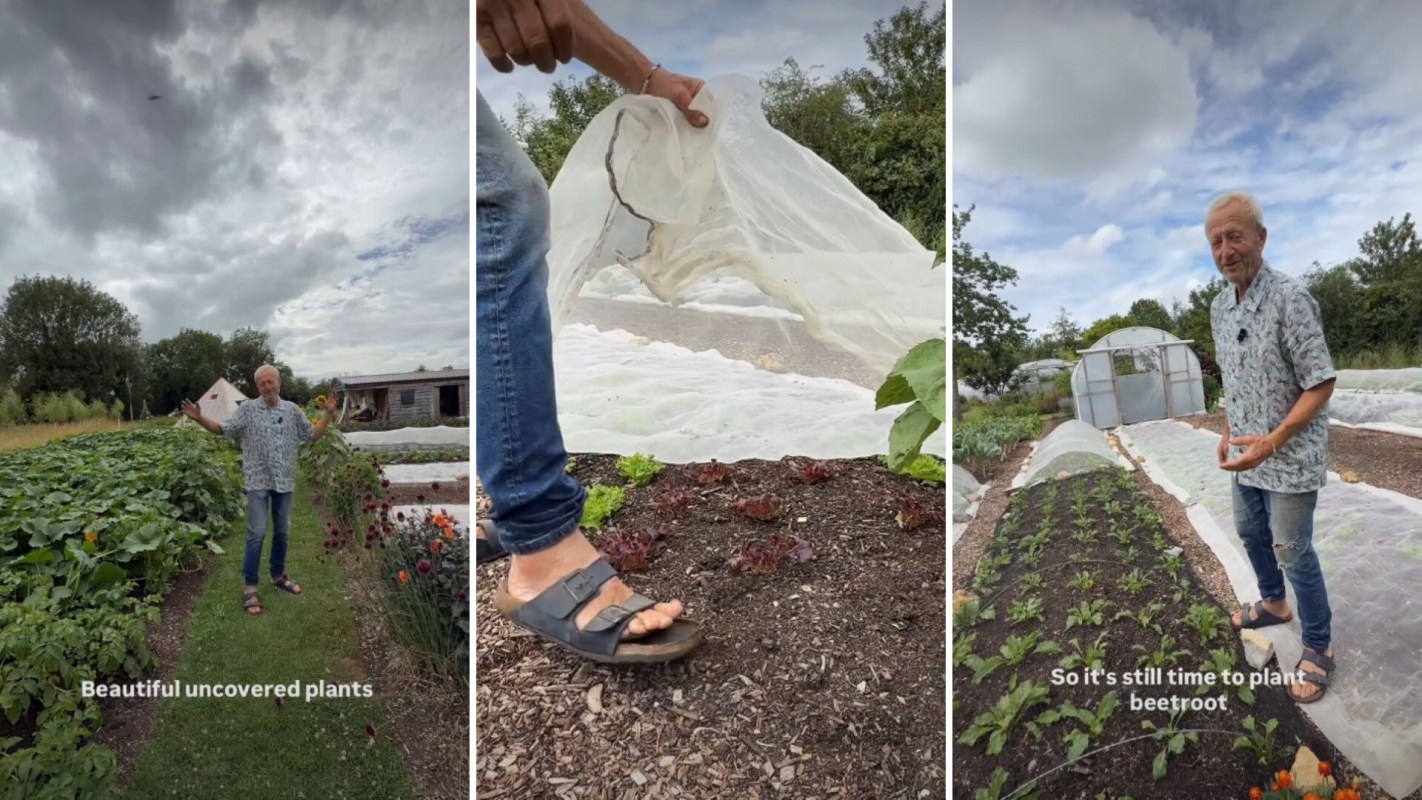
For home gardeners dealing with rabbits, deer, and pigeons, one low-tech solution is drawing attention online: laying protective mesh directly over new plantings.
What's happening?
In a recent post on Instagram, famed gardener and author Charles Dowding walked viewers through a few ways he protects young crops from critters without relying on chemical deterrents.
To shield beetroot from rabbits and deer, both of which he said love the leaves, Dowding uses a dense cover known as thermacrop.
He said he has increasingly been trying to lay it straight over the bed instead of setting up hoops, since the approach is quicker to arrange and still lets water reach the plants when the fabric sits flat.
Dowding added that quick cover methods are easier to handle in low-weed no-dig beds, then pointed to two examples: lettuce transplanted eight days earlier under regular plant mesh, and beetroot protected with bird netting lifted on hoops so the leaves do not push through the material.
Why does it matter?
For people growing food at home, losing young seedlings to pests can be costly, frustrating, and discouraging. Covers such as mesh or netting can help gardeners protect crops at an early stage, which can lead to more reliable harvests of beets, carrots, lettuce, beans, and other produce.
TCD Picks » Quince Spotlight
💡These best-sellers from Quince deliver affordable, sustainable luxury for all




Home gardening that yields results can help lower grocery bills, provide fresher, better-tasting produce, and create more opportunities for light physical activity outdoors.
Many gardeners also find that caring for plants supports mental well-being by reducing stress and creating a calming daily routine.
One commenter wrote, "Just put some beetroot in. I'm inundated with lettuce and cucumbers. No deer here in the city but we do get rabbits and raccoons."
Another commenter smartly added, "This looks like it could double up as shading in high-temperature conditions."
What can I do?
You may not need an elaborate setup to protect young plants. For some crops, lightweight mesh laid directly over the bed may be enough to deter nibbling from mammals and birds while plants get established.
It can also help to match the cover to the threat. Denser fabric may work well where rabbits or deer are the main problem, while bird netting raised on hoops can protect crops from pigeons and other birds without catching on the leaves.
Gardeners can also stagger sowing dates and replant patchy areas, especially with fast-growing crops such as lettuce, carrots, and beetroot.

Get TCD's free newsletters for easy tips, smart advice, and a chance to earn $5,000 toward home upgrades. To see more stories like this one, change your Google preferences here.