


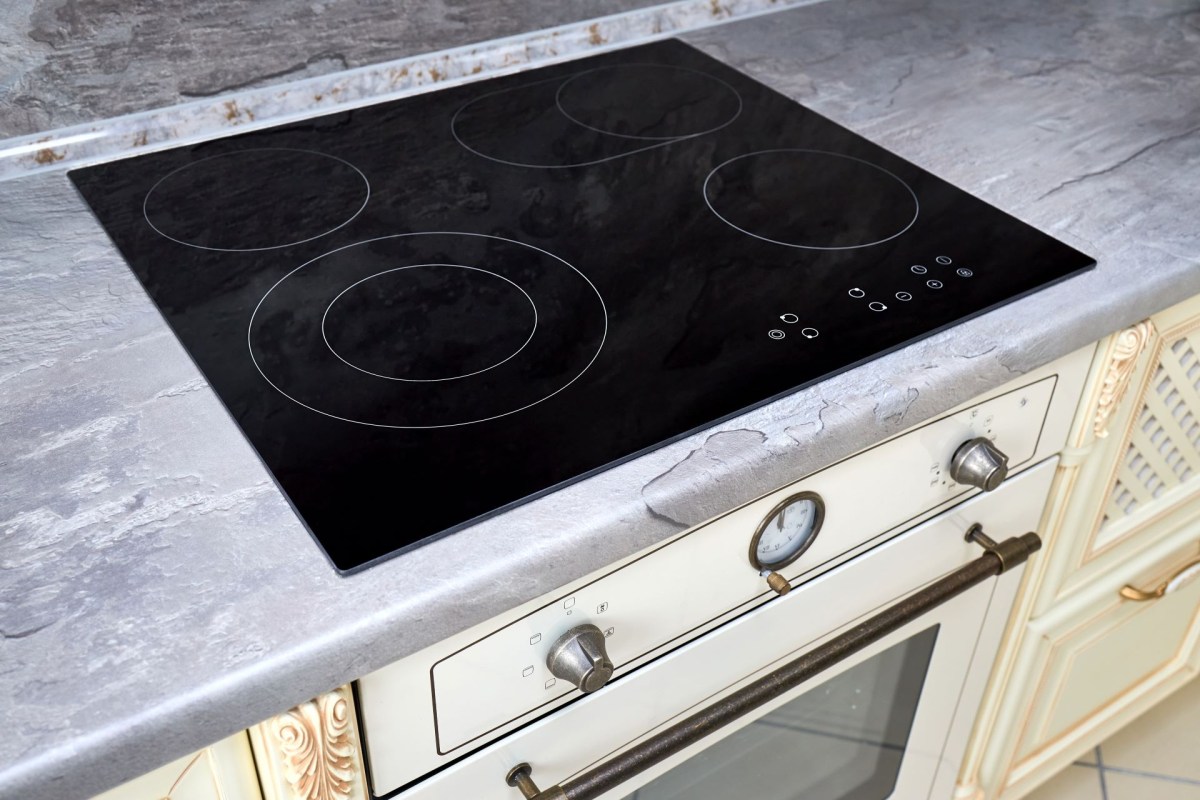
A New York City resident hoping to upgrade to an electric induction stove recently ran into problems with their apartment co-op.
The letter writer sent their question to Ask Real Estate, a New York Times advice column about the financial, legal, and practical aspects of buying or renting a home.
The letter writer has a gas stove and wants to install an induction stove, a super-efficient electric model that heats pans with a magnet and can even be used to create an invisible stovetop. Not only can induction stoves boil water faster than gas stoves, but they can also significantly improve the air quality in your home and reduce your risk of asthma.
"But my co-op board informed me that I cannot remove the gas stove unless I pay for a study to show what impact capping my gas line would have on the entire building," they say in the letter. "Can my board really mandate this?"
Unfortunately, the answer seems to be yes. "Your building is entitled to ask you to pay for a study," says the reply from Ask Real Estate, citing Manhattan real estate lawyer Dean M. Roberts.
This is because installing a new electric or induction stove isn't as simple as capping off a pipe; they may need a new heavy-duty electrical outlet and may even need to redo the building's electrical wiring to deal with the increased load.
TCD Picks » Quince Spotlight
💡These best-sellers from Quince deliver affordable, sustainable luxury for all




However, Ask Real Estate also encourages the letter writer to go ahead with the project. "Doing so would help the building reduce its greenhouse gas emissions, something it will likely need to do soon to comply with the city's sweeping climate change laws."
The law in question is Local Law 97 of 2019, which began to take effect in 2019 and will continue to ramp up until 2050. Local Law 97 limits the amount of heat-trapping gases that buildings and co-ops in New York City can produce — and gas stoves produce a lot of them.
Upgrading to electric appliances now could take the burden off yourself and the co-op later when the stricter limitations take effect and when other residents are racing to comply.
This letter writer isn't the only homeowner struggling with a local housing organization over eco-friendly upgrades. One homeowner recently took to Reddit to complain about a decision by their HOA to ban solar panels on south-facing houses, and another couple had to change Maryland state law to protect their native wildflowers.

Join our free newsletter for easy tips to save more, waste less, and help yourself while helping the planet.






