


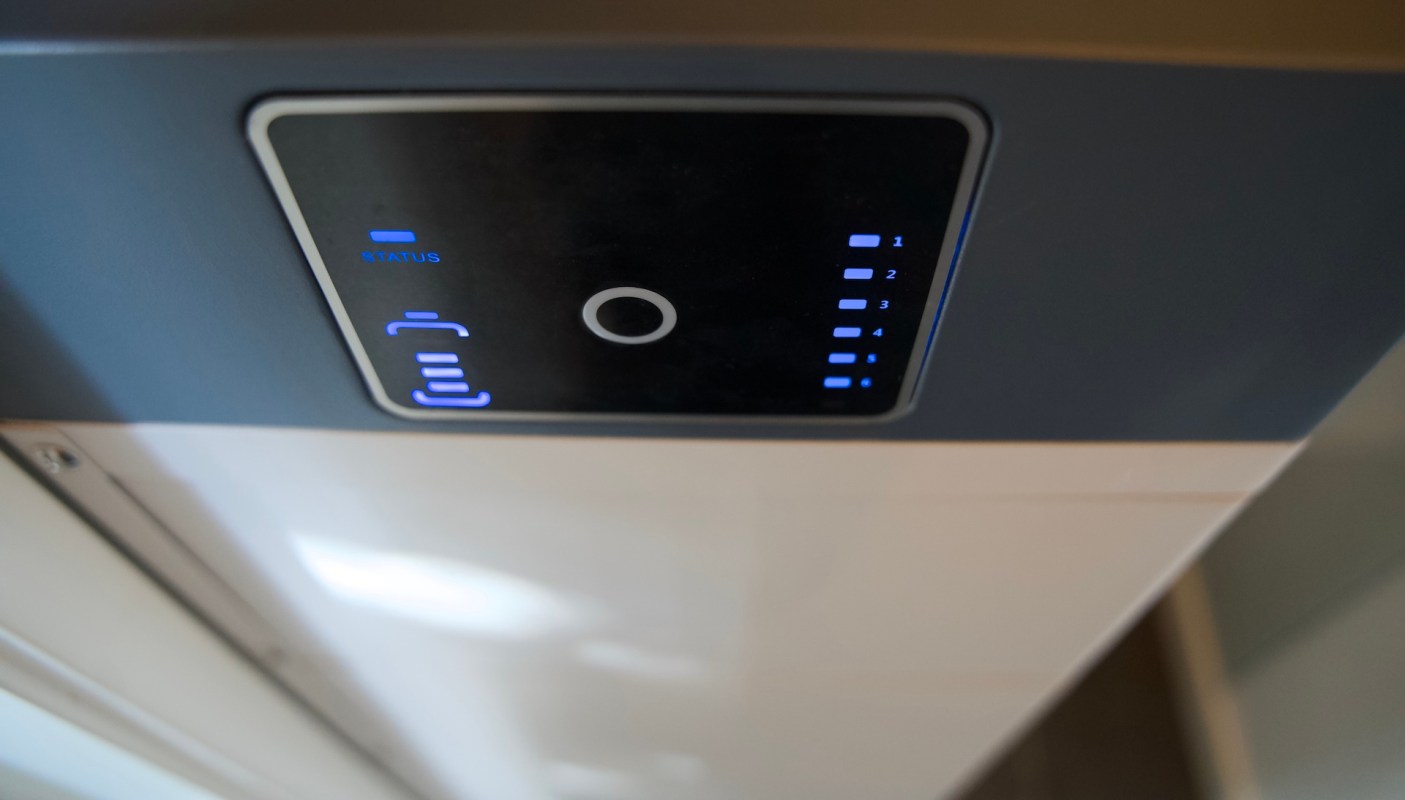
For years, reliable backup electricity at home usually required a major purchase, with homeowners often spending thousands of dollars upfront on a generator or battery system. New subscription-style battery plans in Texas and Illinois could start to lower that barrier.
Here's what to know
Instead of requiring customers to buy the equipment outright, some companies are packaging home batteries as an ongoing service, combining a small installation charge with a monthly bill and backup power during outages. As Utility Dive reported, some Texas plans start at $19 to $29 a month, while certain Illinois offers combine low up-front fees with discounted electricity rates.
North Carolina-based Palmetto is also moving into Texas. Palmetto battery and home electrification business development director Jesse Brennan told Utility Dive that eligible customers can expect an "effective cost" in the $25-to-$50 monthly range after rebates.
Compared with diesel or natural gas generators, stationary batteries offer a cleaner backup option. They can also keep essential appliances and devices running during outages without requiring homeowners to store fuel on-site.
More background
The value of these systems isn't limited to blackouts. Home batteries can also help utilities and electricity retailers reduce strain on the grid, especially in places where power prices jump or transmission lines are congested.
That helps explain why Illinois is drawing attention. Will Kenworthy, Vote Solar's senior Midwest regulatory director, told Utility Dive that companies can use groups of customer batteries there to cut their total exposure to peak demand.
TCD Picks » Quince Spotlight
💡These best-sellers from Quince deliver affordable, sustainable luxury for all




"So when an electric supplier is trying to figure out what it costs to serve their customers, they can shape those customer loads to make it cheaper to supply energy and, thus, make it cheaper for the customers themselves," Kenworthy said.
In Commonwealth Edison territory, Base Power says its 24-month Illinois plan includes a $95 installation fee and on-peak electricity priced below 8 cents per kilowatt-hour, or at least 25% less than ComEd charges.
What's being done?
As these companies expand, they are paying close attention to markets with growing virtual power plant programs. Those programs allow many small batteries to operate together as a grid resource, creating another revenue stream that can help lower homeowners' costs.
In Massachusetts, Haven Energy has rolled out offers for some National Grid and Eversource customers in constrained areas, with certain customers qualifying for pricing similar to Base's Texas model: a few hundred dollars upfront and $29 a month.
Vinnie Campo, Haven Energy's co-founder and CEO, said battery value can vary dramatically by location: "The value of a battery to the grid can be fundamentally different even one mile apart."
Utilities are beginning to pursue similar strategies as well. In June, Illinois regulators approved ComEd's battery-based scheduled dispatch virtual power plant proposal. Andrew Plenge, ComEd's vice president for strategy and energy policy, told Utility Dive that the effort would strengthen the regional grid while "helping customers receive additional value for their support at a time when supply costs are rising."
Brennan summed up the near-term opportunity this way: "The short-term opportunity we're most focused on is markets where VPP program development is accelerating because that's where the value proposition is strongest for homeowners and where we can move quickly."

Get TCD's free newsletters for easy tips, smart advice, and a chance to earn $5,000 toward home upgrades. To see more stories like this one, change your Google preferences here.






