


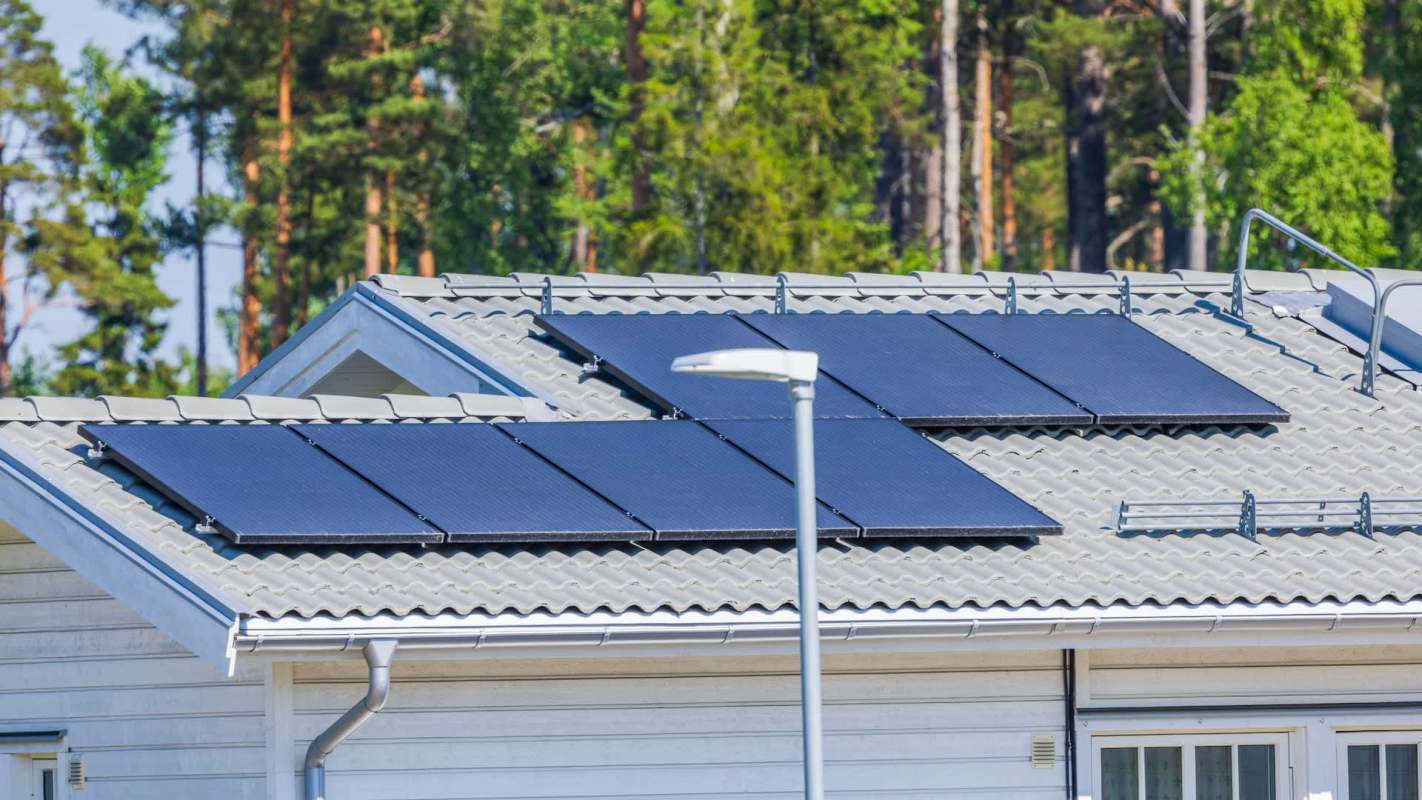
Homeowners in Delaware, Maryland, and Virginia now have a new way to get more value out of home solar batteries.
What's happening?
According to Solar Builder, Tigo Energy Inc. is expanding virtual power plant incentives across the Mid-Atlantic, creating new opportunities for lower electric bills and more flexible, backup-ready home energy use.
In late July 2026, Tigo said qualifying customers in those three states became eligible for programs that reward homes for drawing on stored battery energy when the grid needs added capacity.
The new availability extends a VPP footprint that already included Connecticut, Maine, Massachusetts, and Puerto Rico.
Tigo is treating the move as part of a broader push to help homeowners use residential batteries for both savings and resilience, according to the report.
The company said the added coverage opens more bill-reduction and grid-support programs to households already using its solar and storage products.
TCD Picks » Quince Spotlight
💡These best-sellers from Quince deliver affordable, sustainable luxury for all




Utilities around the country are leaning more on distributed battery systems as electricity demand climbs and peak-use periods put extra pressure on the grid.
Tigo said its platform lets homeowners contribute stored power during those times while still controlling how energy is used at home, giving batteries a role that goes beyond emergency-only backup.
The company also said the expansion gives installers another feature to offer as competition intensifies in the residential solar market.
Why does it matter?
Home batteries are often seen as tools that matter only during blackouts. Virtual power plant programs can change that by turning stored electricity into something households can use more regularly to save money, whether through incentives or lower costs during periods of high demand.
When many homes discharge stored energy during peak demand, utilities may be better positioned to avoid costly power purchases and ease stress on local energy infrastructure.
For areas facing hotter weather, heavier electricity use, and storm-related outages, more flexible home energy systems can provide added resilience without requiring major lifestyle changes from residents.
What's being done?
Tigo said its broader goal is to provide energy solutions that can adapt as utility programs change from state to state. Its system combines energy management with at-home solar and storage and is designed to help installers set up systems that can participate in future grid programs as more opportunities become available.
Oleg Lagoviyer, who owns Green Revolution Solar, a New Jersey-based Tigo installer, said, "We made that decision because Tigo's module-level optimized systems deliver an exceptional combination of value, performance, and long-term reliability for our customers."
Tigo said the Mid-Atlantic expansion is expected to be followed by similar VPP incentive availability in New Jersey and New York.
As JD Dillon, chief marketing and customer experience officer at Tigo, put it, "Expanding program eligibility gives more installers the opportunity to deliver differentiated energy solutions while helping homeowners unlock additional value from their battery systems."

Get TCD's free newsletters for easy tips, smart advice, and a chance to earn $5,000 toward home upgrades. To see more stories like this one, change your Google preferences here.






