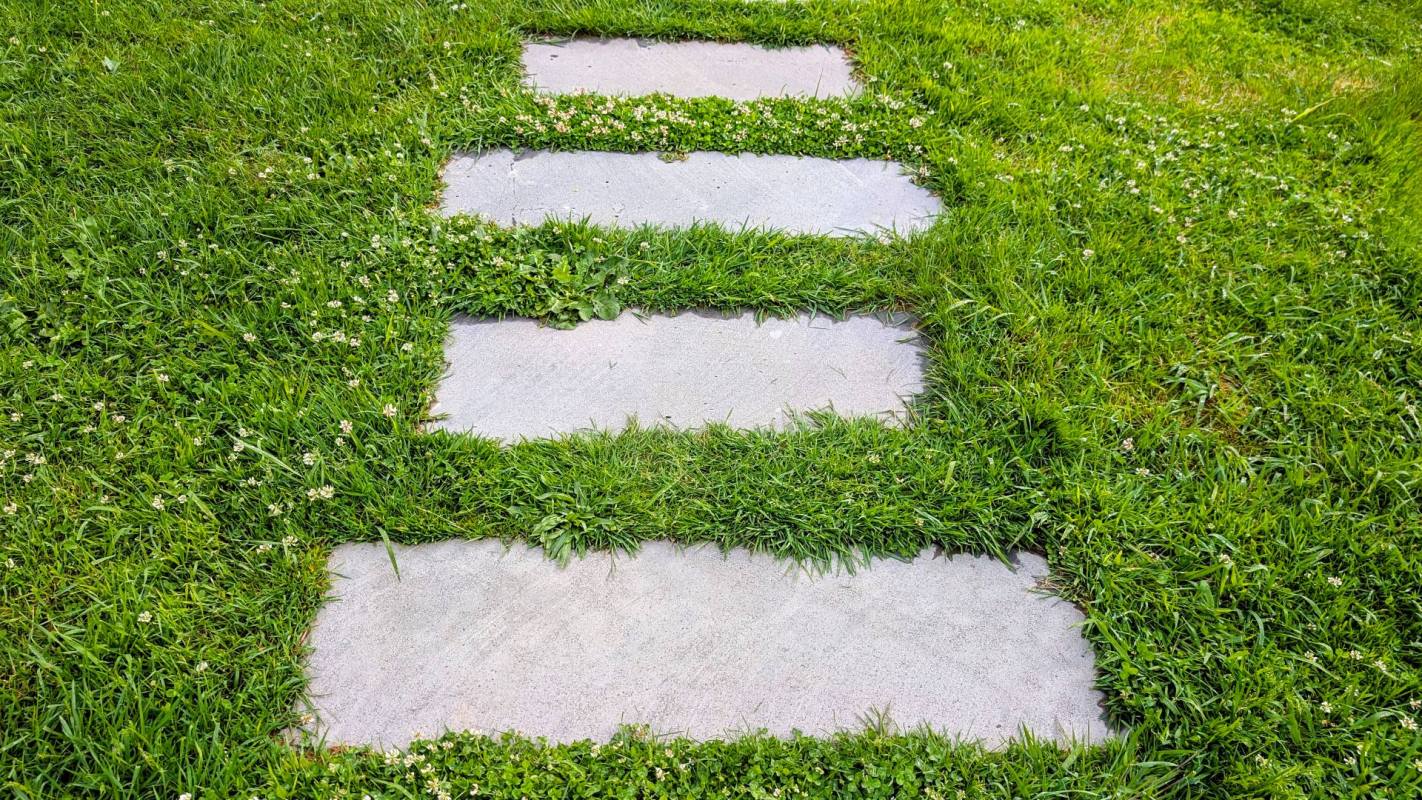
The long-standing idea that every respectable yard needs to resemble a golf course is beginning to lose ground.
In a growing number of places, AOL reports that homeowners have more leeway to replace traditional grass with clover, creeping thyme, and other lawn alternatives, provided they follow the rules closely.
What's happening?
As the outlet notes, an unconventional yard is no longer automatically treated the same as a neglected one. More cities and homeowners associations are separating intentional landscaping from actual nuisance weeds, paying closer attention to whether a property spreads invasive plants, raises fire danger, or blocks sidewalks, per AOL.
As a result, homeowners may have more room to use clover lawns, creeping thyme, moss gardens, ornamental grasses, and native plant mixes. AOL notes some communities are also warming to no-mow strips and naturalized planting zones, especially in places where drought and pollinator decline are already major local concerns.
Even with that added freedom, the rules have not disappeared, the outlet says. Height limits, invasive species restrictions, and maintenance requirements can still apply, so yards that look planned and clearly maintained are less likely to draw complaints than ones that appear ignored, per AOL.
Why does it matter?
For many households, this shift could make outdoor spaces less expensive and easier to maintain. A native-plant lawn can reduce the time and money spent on mowing, fertilizing, and watering, while also lowering water bills.
TCD Picks » Quince Spotlight
💡These best-sellers from Quince deliver affordable, sustainable luxury for all




Even replacing only part of a lawn can deliver those benefits without requiring a complete yard transformation. Part of clover's appeal is that it usually stays short and can add nitrogen to the soil.
These alternatives also tend to provide better support for bees, butterflies, and other pollinators than a uniform turf lawn. More communities are recognizing that a well-planned yard can be both visually appealing and environmentally beneficial.
What's being done?
As AOL details, local governments and HOAs are slowly revising older anti-"weed" rules with more specific standards tied to invasive species, public health, and visible upkeep. That gives homeowners more freedom to experiment, while local rules still determine what is allowed.
Homeowners who want to start small do not need to replace every patch of turf at once. Converting just one section to native plants or clover can still reduce maintenance and water use.
A tidy yard no longer has to mean wall-to-wall grass. As local standards continue to evolve, homeowners have more room to choose landscapes that conserve water, require less upkeep, and better reflect the realities of their climate.

Get TCD's free newsletters for easy tips, smart advice, and a chance to earn $5,000 toward home upgrades. To see more stories like this one, change your Google preferences here.