


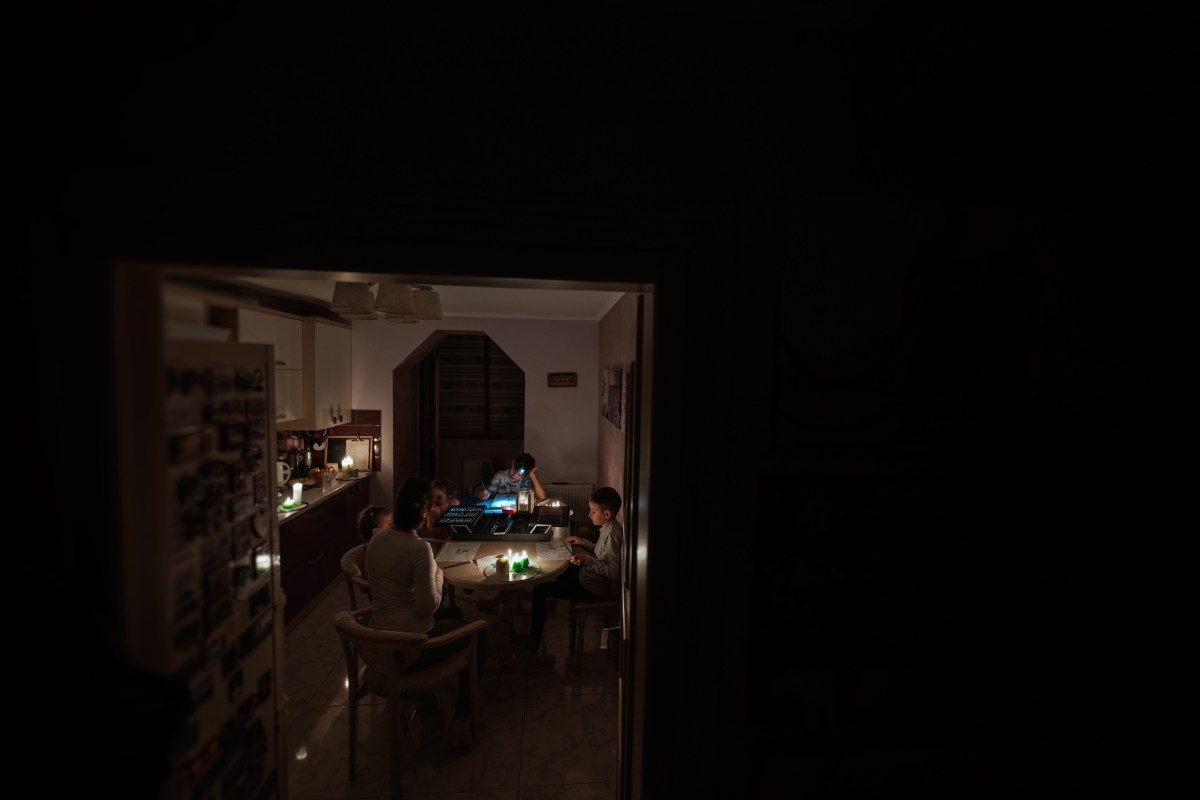
A homeowner enduring a five-day blackout says the biggest lesson was not just that storms can hit hard; it was that waiting until the power goes out to buy a generator can make an already stressful situation much more expensive and chaotic.
Buying backup power at the last minute often means paying more while having fewer options.
Here's what to know
In a Reddit post, the homeowner said hundreds of nearby houses lost electricity after a utility pole broke when a storm-swept tree limb came down on the lines.
They said the outage highlighted multiple vulnerabilities at once. Before the storm, the family had already discussed taking down the branch that eventually fell, and when the power went out, they had overloaded or disabled cell service.
The scramble for electricity ended up becoming one of the costliest parts of the experience.
"A generator was always something on my list, but I never pulled the trigger on it," the original poster wrote. During the outage, they said the family wound up buying a generator from an emergency Home Depot shipment, choosing from whatever was in stock and small enough to fit in his hatchback.
TCD Picks » Quince Spotlight
💡These best-sellers from Quince deliver affordable, sustainable luxury for all




More background
Long outages can also mean spoiled groceries, missed work, unsafe indoor temperatures, dead phones, and rushed spending on supplies that are suddenly hard to find.
Buying a generator before a storm can save money in several ways. It gives shoppers time to compare prices, choose the right size, and avoid panic-buying whatever happens to be left in stock. It can also help families avoid losing a refrigerator full of food or paying for a hotel room just to charge devices and cool down.
Comments on the post also cautioned against assuming the biggest unit is the best choice. One person said large generators can burn a lot of fuel and still may not be able to run air conditioning.
What can be done?
Routine yard work was one obvious takeaway. The homeowner said one of their earliest regrets was ignoring a branch the family had already identified as a potential hazard. Clearing dangerous limbs ahead of storm season can cost far less than dealing with fence damage, spoiled food, and days without power.
It also helps to separate power needs into tiers. A full portable generator may make sense for refrigeration and essential appliances, while a smaller battery backup or solar generator could cover phones, laptops, and internet equipment at a lower operating cost.
Generators should be operated outdoors and away from doors and windows, and shoppers can save money by buying fuel cans, extension cords, and backup power gear before demand spikes.
As the original poster put it: "There were many gaps in my preparedness and I wanted to share so everyone could hopefully learn from it."

Get TCD's free newsletters for easy tips, smart advice, and a chance to earn $5,000 toward home upgrades. To see more stories like this one, change your Google preferences here.







