


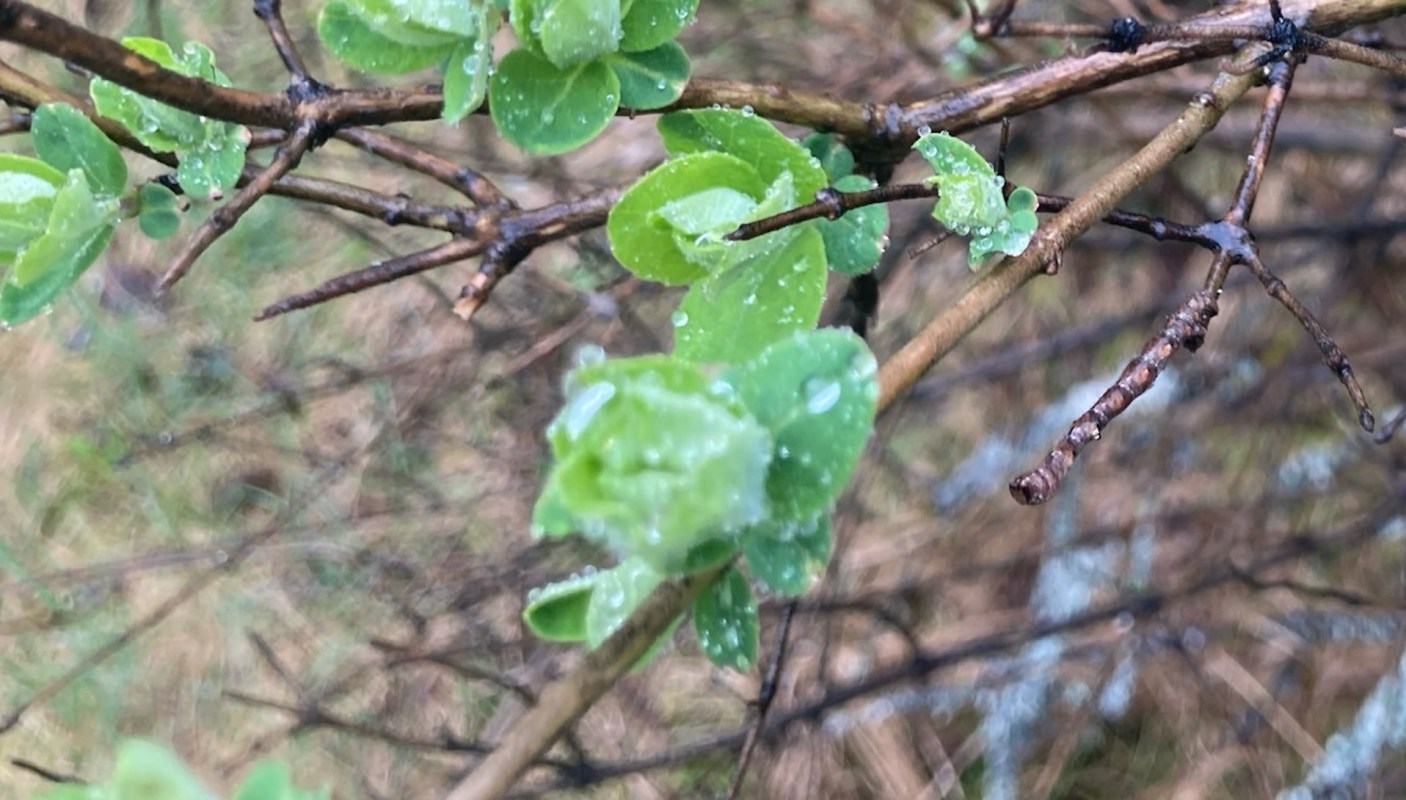
The warming climate has many trickle-down effects threatening both plant and animal life. Habitats are being lost as conservationists do everything they can to protect biodiversity.
But invasive species are unfortunately a fact of life. And the first step in fighting back and protecting our local ecosystems is being aware of the problem. The Adirondack Park Invasive Plant Program is trying to educate the public with a recent post on Facebook.
Underreported invasive species alert! Adirondack forests are beginning to turn green, making the upcoming weeks an...
Posted by Adirondack Park Invasive Plant Program on Friday 9 May 2025
In the post, they show pictures and warn against bush honeysuckle. It shows that the plants bloom with white or pink flowers and grow as shrubs. They suggest snapping open a branch. If it's hollow, it's an invasive bush honeysuckle rather than a native plant. They go on to warn against the dangers of the plant. "Bush honeysuckle can take over a forest understory, creating a favorable environment for ticks and making it difficult for native species to gain a competitive edge."
As the Adirondack Invasive Species Management website explains, invasive species are "a species that is non-native to the ecosystem under consideration whose introduction causes or is likely to cause economic or environmental harm or harm to human health."
Most gardeners know the headaches that come with the introduction of invasive plants — they can take years to eradicate. That's why many landscapers are turning to rewilding their yards with native plants. The process offers a wide range of benefits. First and foremost, the financial savings are huge. A yard full of native plants requires much less water than a traditional lawn, lowering monthly bills. They also don't need the same amount of maintenance, saving homeowners both time and money.
The environmental benefits are also significant and go beyond simply saving water. Native plants attract pollinators, which are the small birds and insects that keep ecosystems thriving. They also keep our food chain healthy. In fact, it is estimated that pollinators are responsible for one out of every three bites of food we take.
There are many attractive options for those who are looking to rewild their yards. Homeowners have chosen buffalo grass, clover, and xeriscaping, among others. And even a partial lawn replacement can offer homeowners some of these incredible benefits.
Commenters on the original post warned that, unfortunately, bush honeysuckle is everywhere. One said, "This is very widely spread in the Champlain Valley area of the Adirondack park!"
Another added, "Once you'll see it you'll never unsee it."
|
What is the biggest reason you don't grow food at home? Click your choice to see results and speak your mind. |
 Not enough time ⏳
Join our free newsletter for easy tips to save more and waste less, and don't miss this cool list of easy ways to help yourself while helping the planet.
TCD Picks » Quince Spotlight
💡These best-sellers from Quince deliver affordable, sustainable luxury for all




Cool Picks






