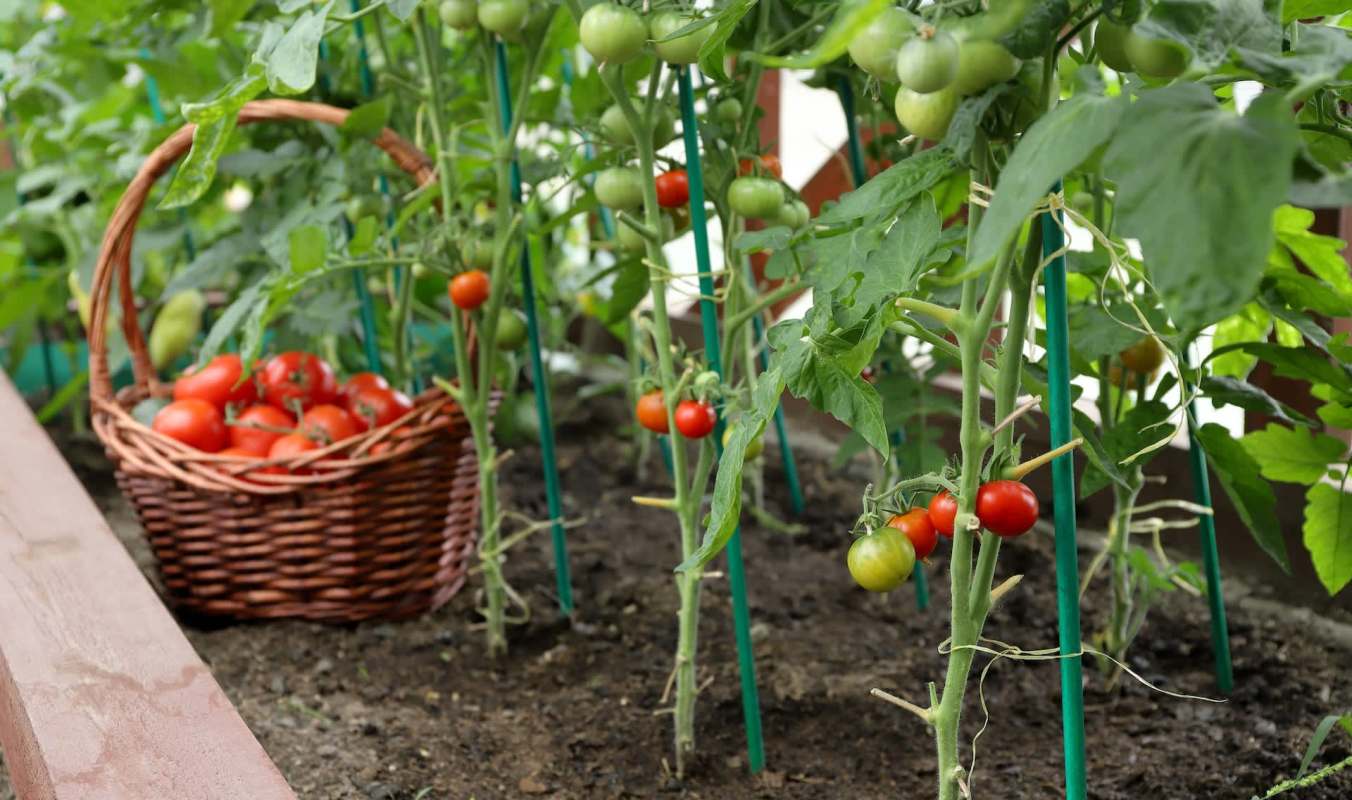
A homeowner's extensive backyard vegetable garden became the subject of an HOA dispute after a neighbor said the raised beds made the property look more like a farm than a typical family yard.
But the issue shifted once the board heard who was receiving some of the harvest.
What happened?
Over the years, Jason turned an unused area behind his suburban house into raised beds for his family's vegetables and herbs, including tomatoes, beans, peppers, squash, and herbs, according to AOL.
He was later notified by his homeowners association that a resident considered the garden to be farming activity that did not belong in a residential neighborhood.
That same day, Harold, who lived next door, said he had made the complaint. He argued that the growing number of beds had gone beyond what should be expected at a private home and made the yard look like a "small farm rather than a backyard."
The conversation changed at the HOA meeting, where another homeowner said Jason had been giving produce to elderly neighbors each summer "without asking for anything in return."
TCD Picks » Quince Spotlight
💡These best-sellers from Quince deliver affordable, sustainable luxury for all




Afterward, the board decided the garden complied with community rules and threw out the complaint.
Why does it matter?
Backyard gardens can help families lower grocery bills, especially as produce prices remain a financial strain for many households.
Even a modest home garden can provide herbs, tomatoes, peppers, and greens throughout the growing season while also reducing food waste and cutting the environmental impact associated with shipping store-bought produce over long distances.
HOAs have repeatedly faced criticism for blocking money-saving and eco-friendly home improvements, including rooftop solar panels that can lower electricity bills and native plant lawns that can reduce water use and maintenance costs.
When rules are enforced too aggressively, they can discourage residents from making practical changes that benefit both their own finances and the wider community. However, this example demonstrates how working with an HOA can lead to a welcome compromise.
In Jason's case, a garden that at least one person viewed as excessive was also quietly helping to feed nearby older neighbors.
What's being done?
Thankfully, the HOA board looked beyond this particular complaint. Documentation can be important in similar disputes, so keeping copies of HOA bylaws is always a good idea. Clarifying that a garden is for personal use rather than commercial farming and showing how a project benefits the household or neighborhood can all help during the review process.

Get TCD's free newsletters for easy tips, smart advice, and a chance to earn $5,000 toward home upgrades. To see more stories like this one, change your Google preferences here.