


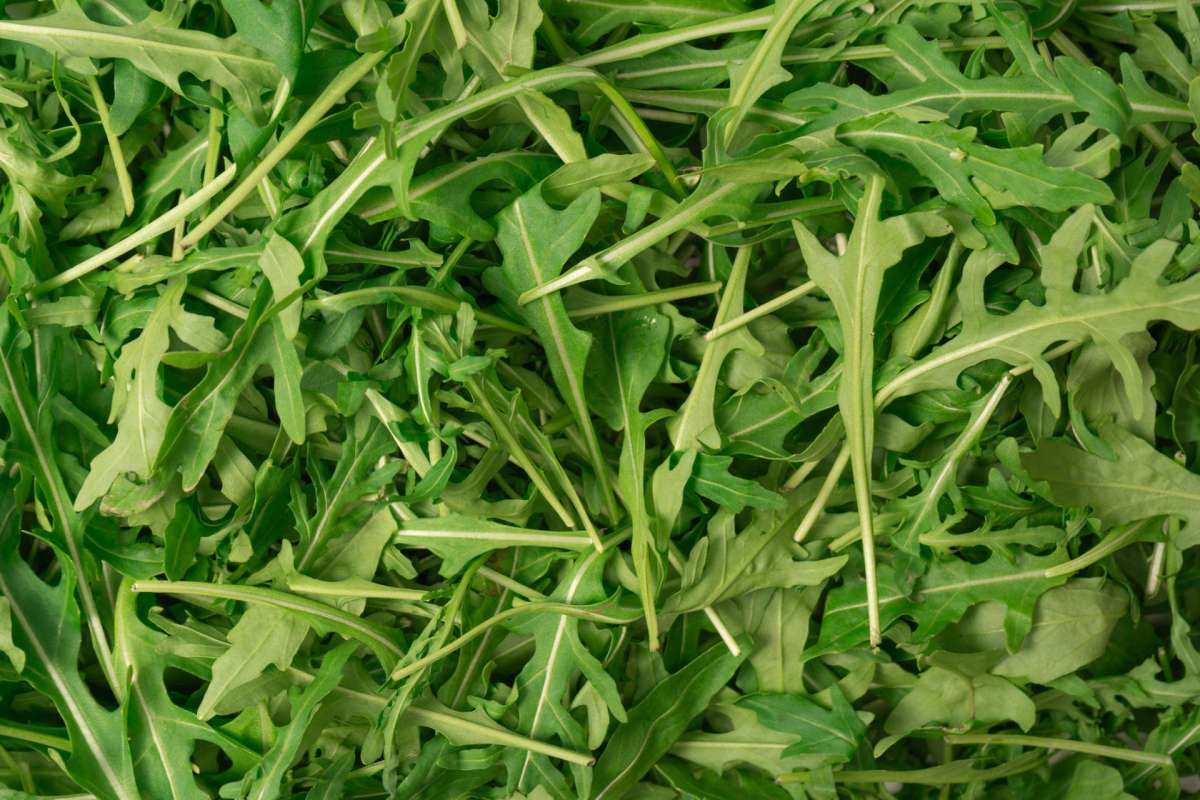
Growing salad greens in peak summer heat can seem like a losing battle.
But Nicole Burke of Gardenary (@Gardenary) showed that arugula may be one of the fastest, lowest-effort wins for home gardeners, even when temperatures near triple digits.
What's happening?
In a short video, Burke harvested arugula about not long after sowing it — even though the seeds went into the ground in adverse conditions.
"We planted this arugula by seed about three weeks ago, and look at the harvest that we're getting right now," Burke said. "So, it was 95 degrees on the day that we planted it. It popped up within a few days, and now my mom and dad have an arugula salad bar they can eat from even in the middle of August."
The testimonial proved that quick-growing greens are not off the table in hot weather, with Burke pointing to the thriving garden bed on display.
That's a boon for fans of arugula who might assume that during a heat wave growing it is a no-no.
TCD Picks » Quince Spotlight
💡These best-sellers from Quince deliver affordable, sustainable luxury for all




"People never believe me when I say you can grow arugula year-round in the heat and in the cold, and this is evidence that it works," Burke noted.
Why does it matter?
A fast-growing crop significantly lower grocery costs. Salad greens are often expensive for the amount you get, and they can wilt quickly in the fridge.
Growing them at home can mean harvesting only what you need, cutting food waste while also giving you fresher, better-tasting produce.
Gardening can add light physical activity to a daily routine, and spending time outdoors tending even a small bed or container can support mental well-being by lowering stress and creating a sense of accomplishment.
The clip pushed back on a common assumption that summer heat shuts down leafy-green gardening. A peppery salad green that can go from seed to plate in just a few weeks offers a practical, affordable way to grow food at home.
What can I do?
Arugula is a good crop to experiment with in a raised bed, container, or plot.
Because it grows quickly, it can be a useful starter plant for anyone interested in learning how to grow your own food.
A few simple strategies can improve the odds of success. You can sow a small patch at a time instead of planting everything at once, consistently water the soil during hot stretches, and harvest leaves while they are young and tender.
If your climate causes plants to bolt quickly, repeated small sowings can make it easier to find a rhythm that works.
A small greens bed can still pay off in limited space. A handful of seeds may turn into multiple salads, stretching your grocery budget and giving you produce that tastes more vibrant than store-bought leaves shipped from far away.

Get TCD's free newsletters for easy tips, smart advice, and a chance to earn $5,000 toward home upgrades. To see more stories like this one, change your Google preferences here.






