


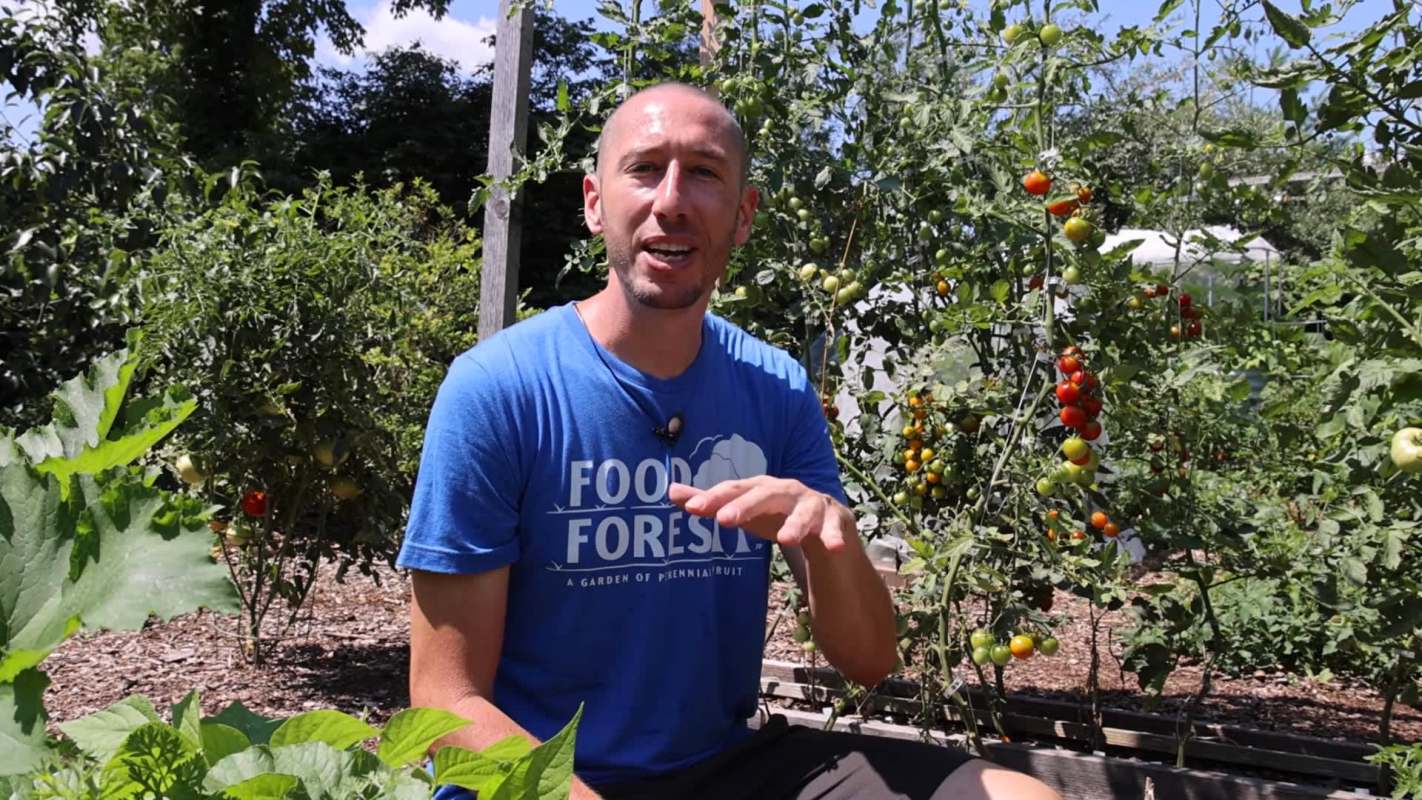
If your garden is struggling in the summer heat, that does not necessarily mean the growing season is over.
Popular New Jersey gardener James Prigioni (@jamesprigioni) says August can still be an ideal time to plant more than 20 crops that may keep producing into the fall, and even the winter.
What's happening?
In a video, the creator outlined more than 20 crops that can still go into the ground in August, with advice geared especially toward growers in climates like his Zone 7A garden.
Rather than focusing on the calendar alone, Prigioni says gardeners should plan around their first expected frost. For him, that date is October 15, which gives him about 75 frost-free days to work with. He then uses that window to decide which crops still make sense, based on how fast they grow and whether they can handle colder weather.
He divides the options into crops that may still yield quickly before frost and those better suited to cooler months. In the first group are cucumbers, summer squash, and bush beans.
For harvests that can stretch into fall and winter, he points to broccoli, cauliflower, cabbage, arugula, spinach, kale, lettuce, Swiss chard, carrots, turnips, beets, radishes, peas, miner's lettuce, tatsoi, bok choy, mâche, collard greens, sorrel, and scallions.
TCD Picks » Quince Spotlight
💡These best-sellers from Quince deliver affordable, sustainable luxury for all




His takeaway was straightforward: "August is here, and there's still plenty of time to plant."
One commenter echoed that enthusiasm.
"Peas, green beans, beets, carrots, cabbage and later, lettuce!" they wrote. "Now just finding the time to get them in the ground."
Why does it matter?
A late-summer planting strategy can help households get more food from the same garden space. That can mean lower spending on produce, fewer last-minute trips to the grocery store, and fresher food that often tastes better than store-bought options.
Gardening can also offer broader lifestyle benefits. Growing your own vegetables may encourage more time outside, light physical activity, and a stronger connection to the food you eat.
Extending the growing season can also reduce packaging waste and cut the pollution associated with transporting food long distances. By staggering plantings instead of treating spring as the only gardening window, growers can also make better use of raised beds, containers, and backyard garden plots.
Missing the spring planting window does not mean missing out altogether.
What can I do?
Begin with your area's first frost date and work backward from there. Once you know how much time is left, compare that window with each crop's time to maturity.
If frost is still far enough away, some fast-growing summer vegetables may be worth trying, while many greens and brassicas are especially well matched to cooler conditions.
Prigioni also described a few ways to improve the odds of success. For broccoli, cauliflower, and cabbage, Prigioni prefers using seed trays instead of starting them directly in the garden. He keeps those trays under shade cloth and insect netting to help young plants handle heat and pests, while also keeping garden space open until the seedlings are ready.
Some of his other tips are crop-specific. He recommends direct-sowing root crops instead of transplanting them, covering newly sown carrots with a board for about a week to help them stay moist, soaking beet seeds for 12 hours, soaking peas for 24 hours, and chilling spinach seeds to improve germination.

Get TCD's free newsletters for easy tips, smart advice, and a chance to earn $5,000 toward home upgrades. To see more stories like this one, change your Google preferences here.






