


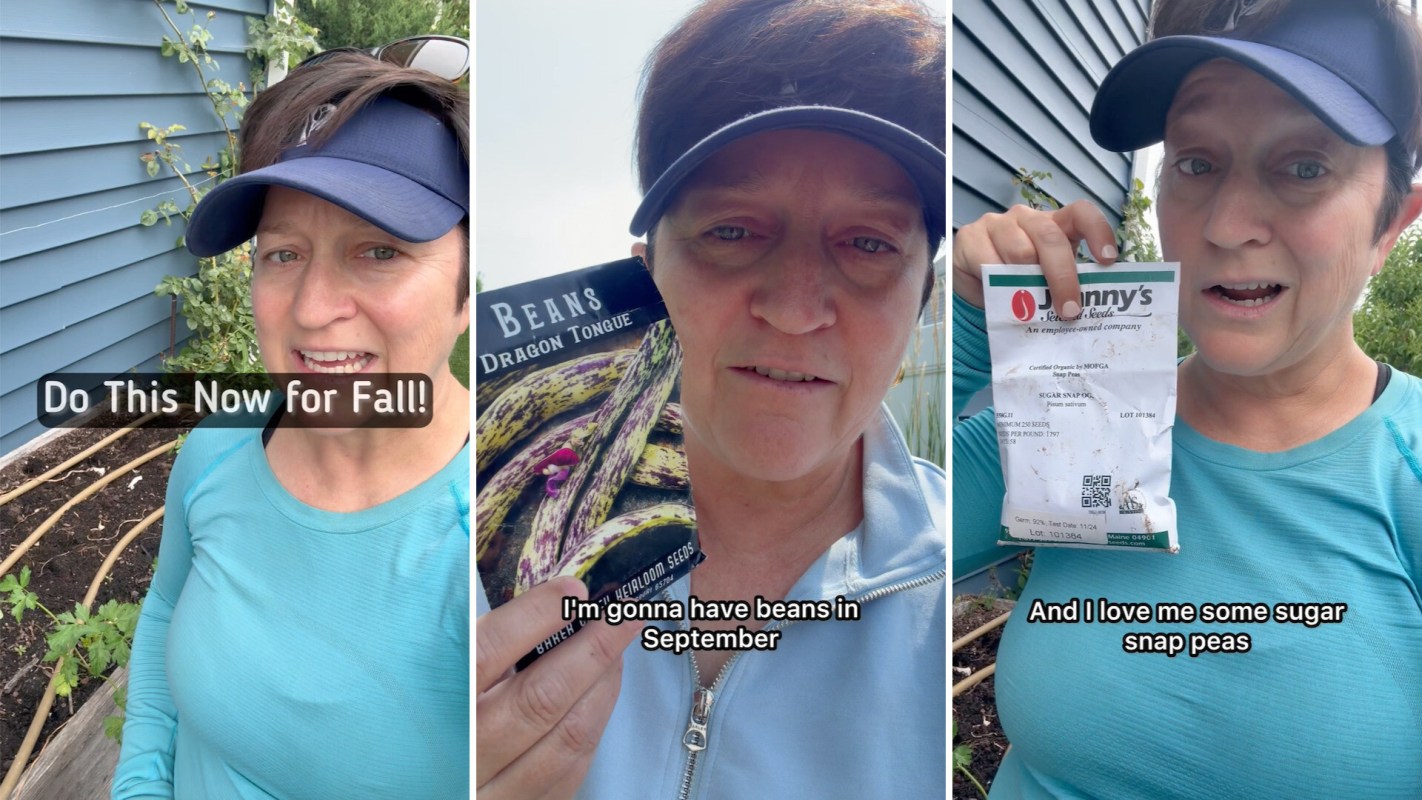
Late July can seem early to plan for autumn, but in many home gardens it is a useful moment to keep the growing season going.
According to Chicagoland garden coach Powers_Plants (@powers_plants), this is the window to seed another round of fall-bound crops, including greens, herbs, peas, and beans.
What's happening?
In a recent TikTok post, the creator emphasized midsummer as the point when gardeners can shift from focusing only on summer produce to preparing a second harvest for fall.
@powers_plants Late July is the time to sow two types of crops: Tender Annuals that have Days To Harvest under 70 Days Cool Season Hardy Annuals that will germinate in August and start thriving in fall cool temperatures. I'm a Garden Coach in the Chicagoland area and I love this community — if you know the answer to someone's question in the comments, please jump in and help! I can't always respond personally, but together we can figure anything out. 🌱 Visit powersplants.com to learn more about booking a coaching session with me, and for just $5/month you can subscribe for exclusive behind-the-scenes content, videos, and live Q&As where you can ask me anything directly! #vegetables #fallvegetable #gardening ♬ original sound - Powers_Plants
Her post highlighted two kinds of crops to plant now: quick-maturing tender annuals and hardy cool-season growers.
"Late July is the time to sow two types of crops: Tender Annuals that have Days To Harvest under 70 Days Cool Season Hardy Annuals that will germinate in August and start thriving in fall cool temperatures," she wrote in the caption.
The planting list she shared ranged from roots and leafy greens to herbs and a few fast beans: carrots; lettuce, arugula, and spinach; sugar snap peas; radishes and beets; kale and collards; plus cilantro and dill.
TCD Picks » Quince Spotlight
💡These best-sellers from Quince deliver affordable, sustainable luxury for all




She also said that while peak summer heat can be tough on some cool-season plants, those crops often do much better once the weather starts cooling down.
"I live in zone 6B and going to try carrots," a commenter replied.
"Washington 8b…I'm getting ready to plant my fall veggies!" another wrote.
Why does it matter?
For households looking to stretch their grocery budgets, a fall garden can be a practical way to keep fresh produce on hand longer.
Greens, herbs, peas, radishes, and beans are among the crops that can offer a relatively quick payoff, helping reduce trips to buy store-bought vegetables.
Homegrown lettuce, cilantro, peas, and carrots often have better flavor than produce shipped long distances, and harvesting them just before mealtime can improve texture as well as taste.
Gardening can provide light physical activity, time outdoors, and a calming routine that supports mental well-being. A late-season planting window may also give beginners another opportunity if spring plans did not work out or summer crops underperformed.
Because many of these crops prefer cooler conditions, fall can actually be an easier and more rewarding growing season than midsummer for some gardeners.
What can I do?
Start by checking your local first frost date and comparing it with the "days to harvest" listed on seed packets.
Fast-growing crops and cool-weather favorites are often the safest choices for late-July or early-August sowing.
Leafy crops and roots are among the easiest places to start, including lettuce, arugula, spinach, radishes, carrots, beets, kale, and collards.
Gardeners may also be able to fit in peas, cilantro, dill, and even quick beans if enough warm weather remains.
Timing can be slightly different in hotter climates, as one commenter in North Texas noted: "I'll start sowing my next seeds on September 1st."
If you are just getting started growing your own food, begin small with a few containers or a single raised bed, which allows you to reap the benefits in an approachable, simple way.

Get TCD's free newsletters for easy tips, smart advice, and a chance to earn $5,000 toward home upgrades. To see more stories like this one, change your Google preferences here.






