


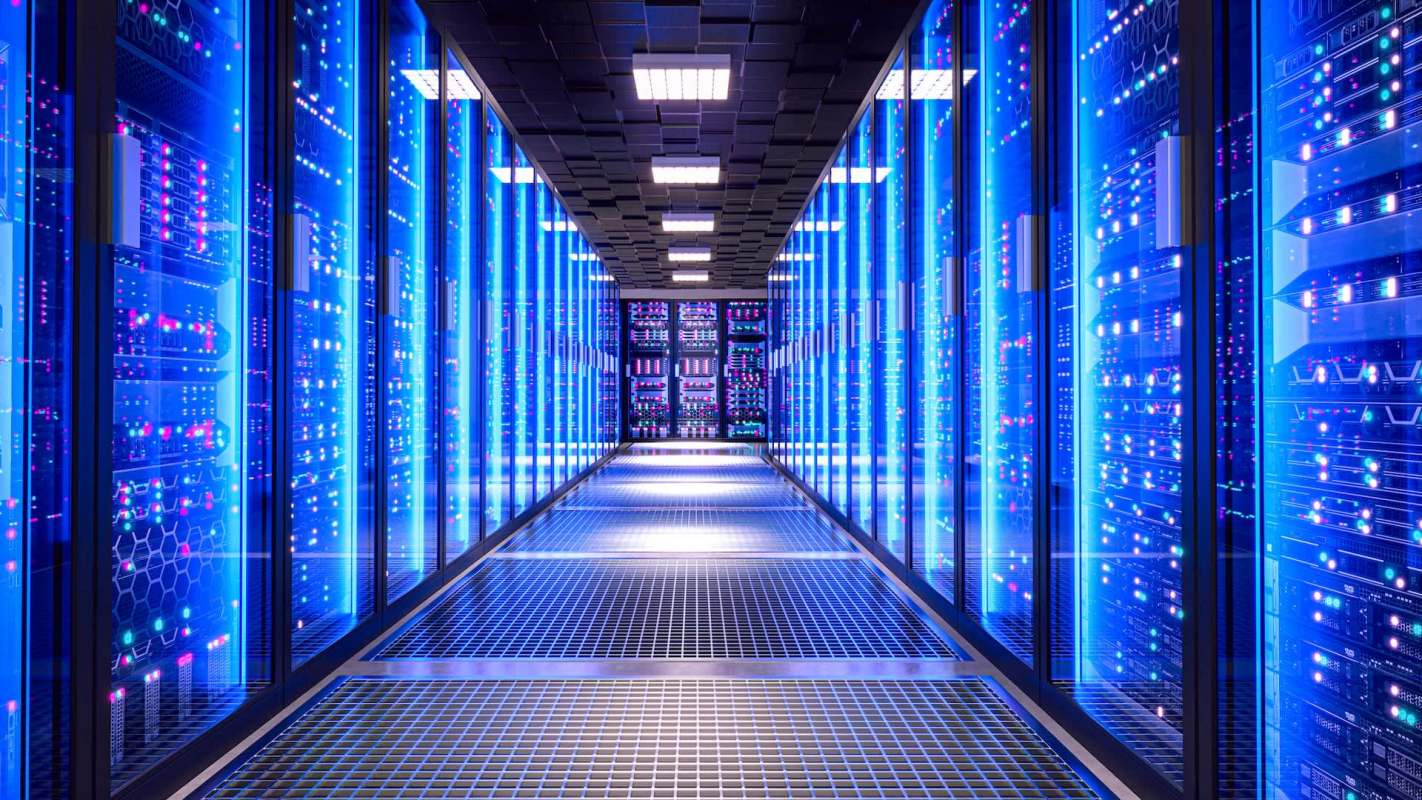
Utilities are marketing power-hungry data centers with an unexpected claim: Instead of pushing household electric bills higher, the projects might help limit those increases.
That argument remains contested. Consumer advocates and energy analysts say it is too early to treat lower bills as a likely outcome, especially while electricity prices are rising and air-conditioning costs are hitting many households hard.
What's happening?
Across the country, utilities are telling regulators and local residents that adding data centers could benefit ordinary customers, according to Straight Arrow News.
"As new large-load customers come online, they help spread fixed costs for the grid across a broader customer base. Residential customers will pay a smaller share," Matthew Thompson, a spokesperson for American Electric Power, told Straight Arrow in an email.
Houston-area utility CenterPoint Energy has made a similar projection, saying in a statement that 14 gigawatts of additional data-center demand could save residential customers $5 billion over 10 years.
The discussion is unfolding as electricity gets more expensive. Inflation-adjusted electricity prices rose 2.6% from 2024 to 2025, and the non-adjusted average price in 2025 was 29% higher than in 2019, per a Lawrence Berkeley National Laboratory report.
TCD Picks » Quince Spotlight
💡These best-sellers from Quince deliver affordable, sustainable luxury for all




Straight Arrow also reported that Americans are expected to spend about $792 on electricity from June through September.
Utilities say specially negotiated contracts, often called large-load tariffs, can require data center developers to pay for new infrastructure and commit to long contract terms, which they argue helps shield other customers from some of the financial risk.
Why does it matter?
Even when base rates stay flat, customers can still face additional charges tied to transmission, fuel, maintenance, and wholesale power markets.
Critics say large data centers still put upward pressure on the system. Ed Hirs, an energy economist at the University of Houston, told Straight Arrow, "Anytime you add demand to a market, especially when supply cannot respond rapidly, the price goes up."
Tyson Slocum, director of the energy program at the nonprofit Public Citizen, offered a similar warning: "Data centers require so much power from the interstate grid that that competes with everybody else and drives prices up."
Many new data centers are being built to support AI tools, which can help optimize clean energy systems and improve grid management, but they also require enormous amounts of electricity and, in many cases, water. Data centers accounted for roughly 45% of future electric supply contracts in a recent auction on the PJM grid, where wholesale power prices have surged to record highs over the past year.
In short, AI's growth is tightly linked to the power grid: It can make utilities more efficient, but the facilities behind it also raise bills and carry risks tied to misuse and security.
What's being done?
As Straight Arrow reported, the White House response has been the Ratepayer Protection Pledge, a voluntary commitment meant to push Big Tech to cover data centers' power costs. Major electric companies and tech firms have signed on.
At the state level, regulators are increasingly requiring utilities to create separate rate structures for data centers instead of treating them like traditional commercial and industrial facilities.
Those agreements often include minimum monthly payments and decadeslong terms, even if a facility ultimately uses less power than expected.
State regulators are also testing whether the promised savings actually materialize. In Iowa, a rate freeze linked to data center development has still coincided with higher total bills for some customers because of other regional transmission costs.
Other states have gone further, requiring data centers to cover the grid costs of their own projects rather than spreading those costs across everyone else's bills.
"Responsibly connecting data centers and large loads to the energy grid creates win-wins in our communities," said Drew Maloney, president and CEO of the Edison Electric Institute, per Straight Arrow News.
Slocum, however, offered a sharper warning: "That growth can be at odds with the public interest and what household consumers want from their utility."

Get TCD's free newsletters for easy tips, smart advice, and a chance to earn $5,000 toward home upgrades. To see more stories like this one, change your Google preferences here.






