


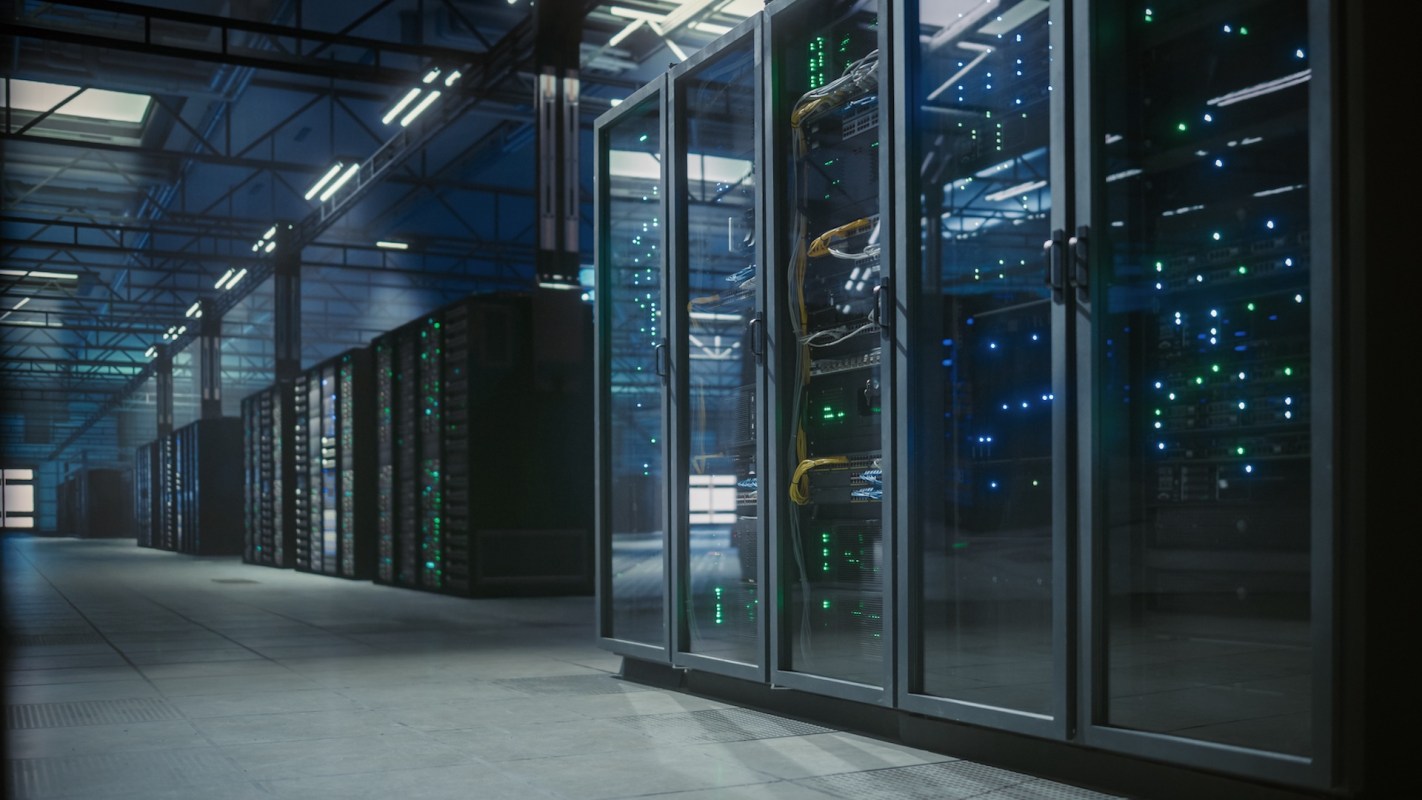
Rising U.S. electricity costs may not slow down anytime soon as new energy-hungry data centers surge across the country.
New projections indicate that data centers are on track to become major electricity consumers over the coming decade, with big data-center states such as Virginia and Texas likely to feel the strain most.
What's happening?
By 2035, U.S. data centers are expected to draw 194 gigawatts of electricity — roughly the output of about 200 conventional nuclear reactors — as Newsweek reported. BloombergNEF's analysis also projects their share of national power use rising from 5.9% today to about 12% in 2030 and around one-fifth by 2035.
Much of that growth is being driven by AI and cloud computing, which depend on massive server warehouses to train models, store data, and respond to user requests around the clock. BloombergNEF analyst Lloyd Arnold said, as reported by Newsweek, that "one unit of energy out of five" generated in the U.S. could go to data centers rather than homes and businesses by 2035.
For consumers, the central question may be less about whether enough power can be produced and more about how the cost of new infrastructure gets divided.
Ari Peskoe, director of Harvard Law School's Electricity Law Initiative, told Newsweek, "industry rules that determine how new infrastructure costs are shared by ratepayers do not force data centers to pay for new power lines and power plants that are being built for them."
TCD Picks » Quince Spotlight
💡These best-sellers from Quince deliver affordable, sustainable luxury for all




"Regulators can and should fix the utility industry's methods for spreading infrastructure costs," Peskoe added.
BloombergNEF, as reported by Newsweek, expects the effects to be uneven across the country. Newsweek said Virginia and Texas, both of which have especially large data-center footprints, are likely to remain above the national average for power used by these facilities.
Why does it matter?
When power demand outstrips supply, utilities tend to add transmission lines, substations, and generation — and those costs are often passed along to customers. In practice, that could mean households end up paying more each month even if they never use AI tools themselves.
One early sign of that pressure is in PJM Interconnection, the grid region serving about 67 million people across 13 states and Washington, D.C. According to Newsweek, in July, the operator said that "demand for electricity continues to grow faster than electricity supply," and PJM's independent market monitor, Monitoring Analytics, found data-center-driven demand accounted for about $6.3 billion of $16.4 billion in capacity charges.
AI is also becoming tied to the power grid in two directions. On one hand, it is driving up electricity demand through the rapid expansion of data centers. On the other, it can help utilities forecast demand, manage outages, and better integrate solar and wind power.
Still, the technology's growth comes with real tradeoffs, including high energy and water use, security and misuse concerns, and the possibility of higher utility bills for households.
What's being done?
Much of the debate is now centered on regulation. Peskoe argued, according to Newsweek, that data-center operators should shoulder more of the cost of the infrastructure built to serve them.
He also said to the outlet that regulators could ease pressure on households by changing how costs are allocated and by allowing large customers in more states to buy power directly from private suppliers instead of routing everything through local utilities.
Consumer advocates are pushing similar proposals, warning that households should not be helping fund infrastructure that mainly serves large technology companies. At the same time, the industry argues that data centers bring jobs, tax revenue, and investment, and that many new facilities are pursuing dedicated power arrangements to reduce strain on the broader grid.

Get TCD's free newsletters for easy tips, smart advice, and a chance to earn $5,000 toward home upgrades. To see more stories like this one, change your Google preferences here.






