


Illinois spent decades welcoming data centers, but that boom is now colliding with a basic household concern: the cost of keeping the lights on.
As electricity bills climb, communities that once saw server farms as economic wins are starting to ask if the growing power demand is worth the cost.
What happened?
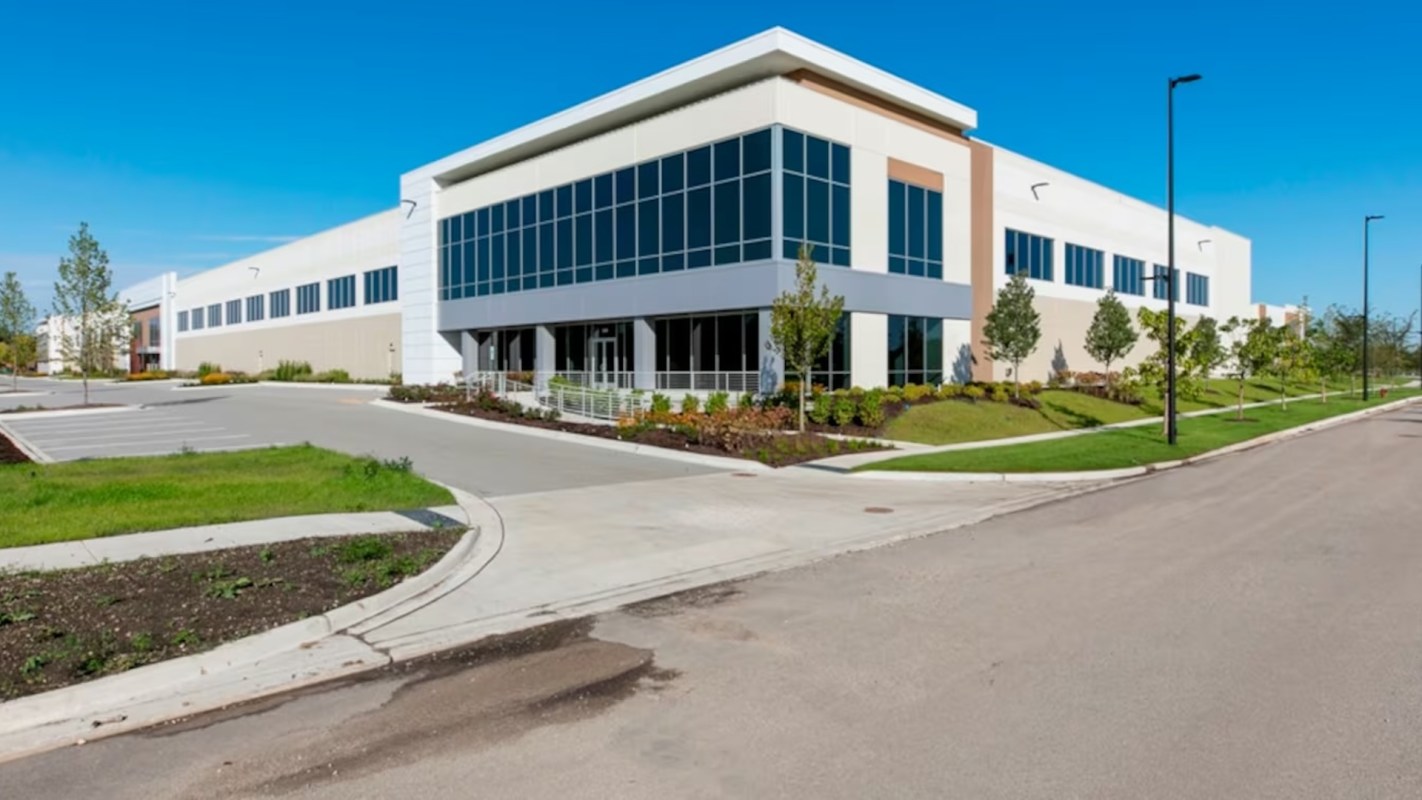
Elk Grove Village, Illinois, has taken in over 20 data centers across roughly 25 years, which helped the suburb bill itself as the "data center capital of the Midwest," Crain's Chicago Business reported.
Now residents around Illinois are turning up at public meetings to voice frustration over higher utility bills.
By 2025, Illinois consumers were paying 17.7 cents per kilowatt-hour on average, 34% higher than in 2021, according to data from the U.S. Energy Information Administration. Data centers are expected to account for about 10% of overall U.S. electricity demand by 2028, double their 2023 share.
Twelve cities, towns, and counties across Illinois have paused new projects, and Gov. JB Pritzker has pushed to freeze the tax breaks the state offers such facilities.
TCD Picks » Quince Spotlight
💡These best-sellers from Quince deliver affordable, sustainable luxury for all




In response to massive power requests, Commonwealth Edison (ComEd) now asks large users to make firm commitments early and provide letters of credit worth hundreds of millions of dollars.
Why does it matter?
When an electrical grid has to absorb enormous new demand over a short period, the costs of expanding power generation and transmission can ripple outward to ordinary households and small businesses.
The squeeze is tighter in Illinois because the state is scheduled to begin retiring coal- and gas-fired plants in 2030 under a law passed five years ago. Officials are trying to supply more electricity even as some of that older generation goes offline.
AI drives much of that demand because modern data centers increasingly support AI training and computing, which can require vast amounts of electricity and, in some facilities, significant water for cooling.
What's being done?
The local pauses on new data center projects buy time to review potential impacts and determine whether current infrastructure can handle more demand without driving up costs for residents.
At the state level, Pritzker's move on data center tax breaks reflects a broader reassessment of how aggressively Illinois will keep courting these projects.
Utilities are also trying to protect themselves from speculative projects by requiring would-be large users to prove they're serious before locking up grid capacity. ComEd's stricter financial requirements are meant to prevent developers from reserving huge blocks of power they may never fully use.
Other states have gone further. New Jersey now makes big data centers pay for the grid work their own projects create, rather than spreading that cost across everyone else's bills.

Get TCD's free newsletters for easy tips, smart advice, and a chance to earn $5,000 toward home upgrades. To see more stories like this one, change your Google preferences here.






