


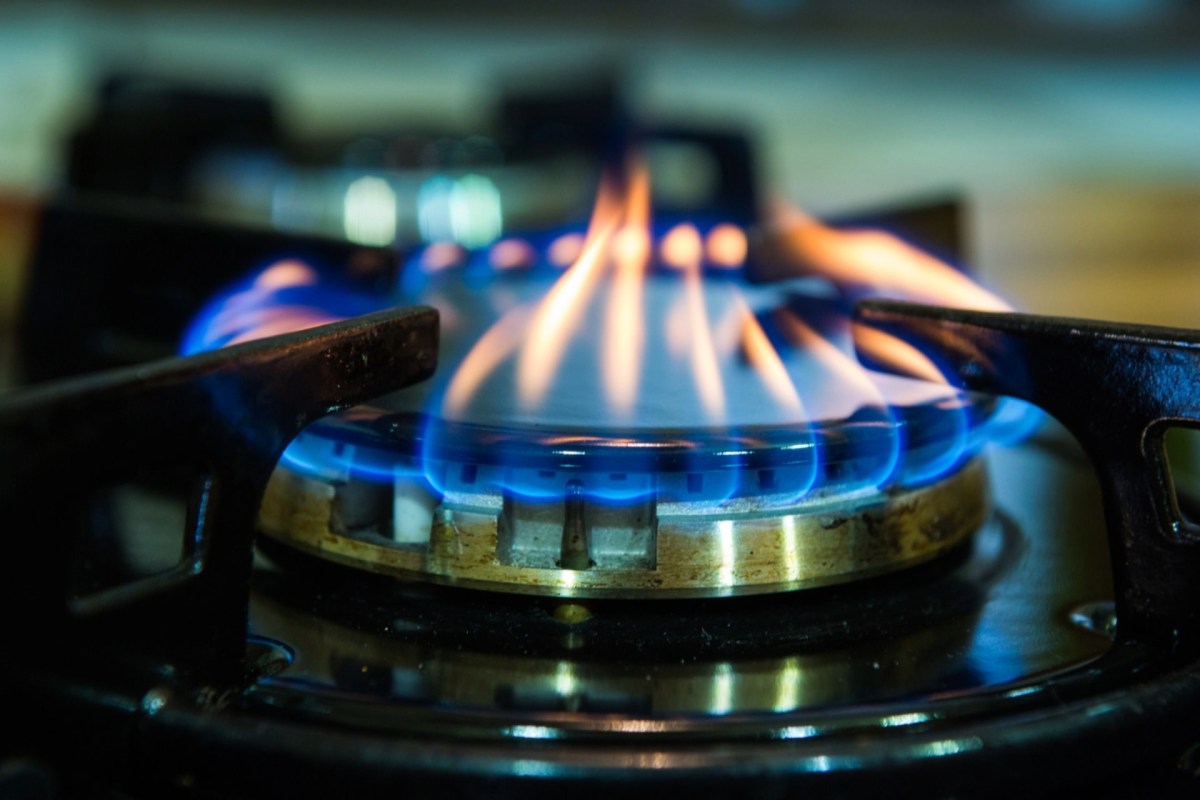
In a very clear example of greenwashing, United States gas utilities have been partnering with non-profits to build zero-net energy (ZNE) homes for low-income families, complete with gas stoves.
What's happening?
As the Guardian reports, a variety of Habitat for Humanity affiliates have teamed up with at least four gas utility companies across 10 states to build ZNE homes. These types of residences are meant to generate more energy than they use, but adding gas stoves to the mix doesn't match up with the forward-thinking concept.
"It's a cynical PR stunt by the gas utilities," as Itai Vardi, who works with utility watchdog group the Energy and Policy Institute, shared with the Guardian.
"We know that we need to transition very rapidly and dramatically off of fossil fuels, and there's really no good reason to build new construction that is not all electric."
Why is this such a big issue?
These stoves use natural gas, a dirty energy source primarily made of methane, and can dramatically impact the indoor air quality of homes. This planet-warming gas is also 80 times more dangerous to the environment than carbon dioxide over the first 20 years because of its ability to trap heat.
Daniel Aldana Cohen, a co-director of the progressive think tank Climate and Community Project, feels that Habitat for Humanity has made a poor compromise.
TCD Picks » Quince Spotlight
💡These best-sellers from Quince deliver affordable, sustainable luxury for all




As Aldana Cohen shared in the report: "The gas companies are essentially using poor people as human shields to perpetuate a business model that is going to do the most harm to poor people."
Some advocacy groups, like Hot & Toxic, have used humor to try to educate the public about the risks of gas stoves. Indoor air pollution from natural gas compounded by poor ventilation affects 40 million homes in the U.S.
Habitat for Humanity has been a proponent of climate safety, but it relies on local, independent affiliates to decide on building plans and how they're funded.
"We know that innovation is required so future construction doesn't exacerbate the climate crisis," according to a statement the non-profit shared with the Guardian. However, those smaller affiliates need to "engage a wide range of partners" in order to help build affordable and adequate housing.
What's being done to reduce the use of natural gas in homes?
People need to be educated about the issues with using gas stoves in their homes, but it also helps if new constructions are geared toward electrification right from the start.
Induction stoves are a great alternative that comes with tax credits from the Inflation Reduction Act and can run on energy from renewable sources.
As the article also shared, one of Habitat for Humanity's Cape Cod, Massachusetts, affiliates built all-electric ZNE homes that were the non-profit's "best-rated" in the country in terms of efficiency.
It only makes sense, and as Vardi put it, "There is really no reason to build new construction that is not all electric."

Join our free newsletter for cool news and actionable info that makes it easy to help yourself while helping the planet.






