


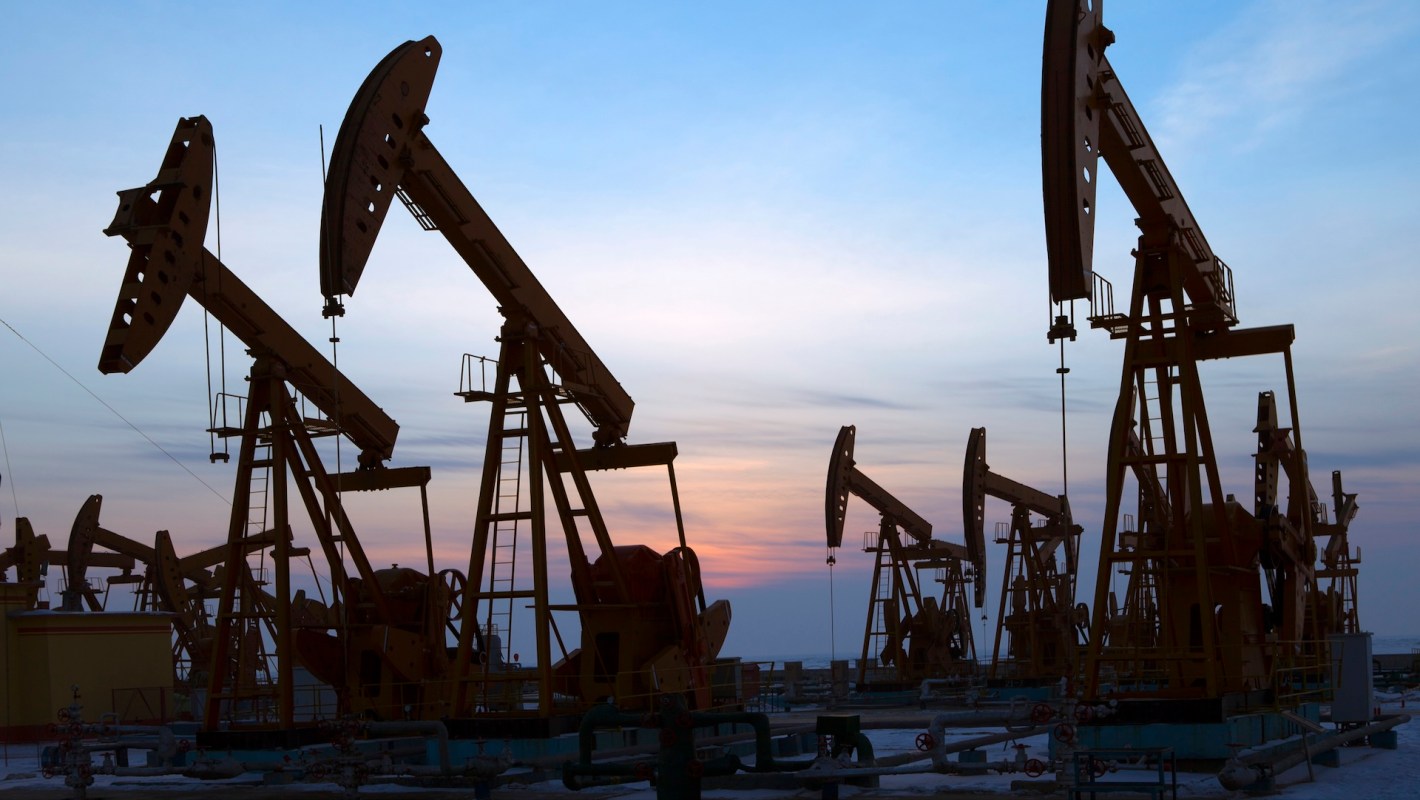
Gas prices have risen dramatically over the past month, but experts fear that "the worst could still be ahead" due to a number of cascading global shocks, according to NBC News.
What's happening?
Gas prices spiked to $4 a gallon on March 31, according to the New York Times, a high last reached in 2022.
AAA data showed that the national average of $4.01 a gallon was up by over a dollar in March, compared with $2.98 at the end of February.
Sharply skyrocketing gas prices tend to grab headlines, but according to NBC News, analysts and experts warned that exorbitant fuel costs are only one severe consequence of the indefinite closure of the Strait of Hormuz, through which roughly 20% of the world's fossil fuel must travel, per the BBC.
As the outlet noted, oil isn't the only vital commodity affected by the strait's closure, and the number of ships crossing it has fallen from more than 100 daily before the United States initiated a conflict with Iran to "fewer than five" currently.
Brookings Institution's director of the Energy Security and Climate Initiative, Samantha Gross, voiced concerns for broader markets.
"We haven't seen the brunt of it yet. I feel like markets are so far underestimating the effect of the war," she began, per NBC News.
"It seems that they expect this war to go quickly, and they expect that we can go back to the world before when it's over. And I don't think either of those ideas is true," Gross added.
Why is this concerning?
As NBC News noted, the price of fuel directly impacts the price of virtually everything else, as the costs of raw materials, goods, and transport are contingent on gas prices.
Experts from various sectors have expressed similar concerns about the global economy, including BCA Research analyst Peter Berezin.
TCD Picks » Quince Spotlight
💡These best-sellers from Quince deliver affordable, sustainable luxury for all




|
Which of these savings plans for rooftop solar panels would be most appealing for you?
Click your choice to see results and earn rewards to spend on home upgrades. |
 Save $1,000 this year 💸
 "The current macro environment is a toxic brew of many of the same vulnerabilities that haunted the global economy in the lead-up to past recessions," Berezin cautioned on Mar. 29, per NBC News.
That a worldwide crisis of this potential scale stemmed from a single closed waterway inadvertently underscored the ever-present risks of dependence on fuels like coal and oil, both as a commodity and as a pillar of the economy.
Vulnerabilities caused by reliance on fossil fuels aren't limited to abrupt price spikes. From extraction and refinement to transport and use, oil and gas inflict immense costs on the planet and public health, as the Environmental and Energy Study Institute detailed.
Dependence on these fuel sources increases the rate of serious illnesses like cancer and heart disease, and their continued use has been repeatedly linked to increasingly severe and deadly extreme weather events.
What's being done about it?
In January, Michigan Attorney General Dana Nessel announced a landmark lawsuit against several fossil fuel giants, alleging a conspiracy to delay the clean energy transition and keep Americans stuck in an escalating affordability crisis.
The oil lobby is powerful, but efforts to hold the industry accountable have shown slow, steady progress.

Get TCD's free newsletters for easy tips to save more, waste less, and make smarter choices — and earn up to $5,000 toward clean upgrades in TCD's exclusive Rewards Club.
Cool Picks




