


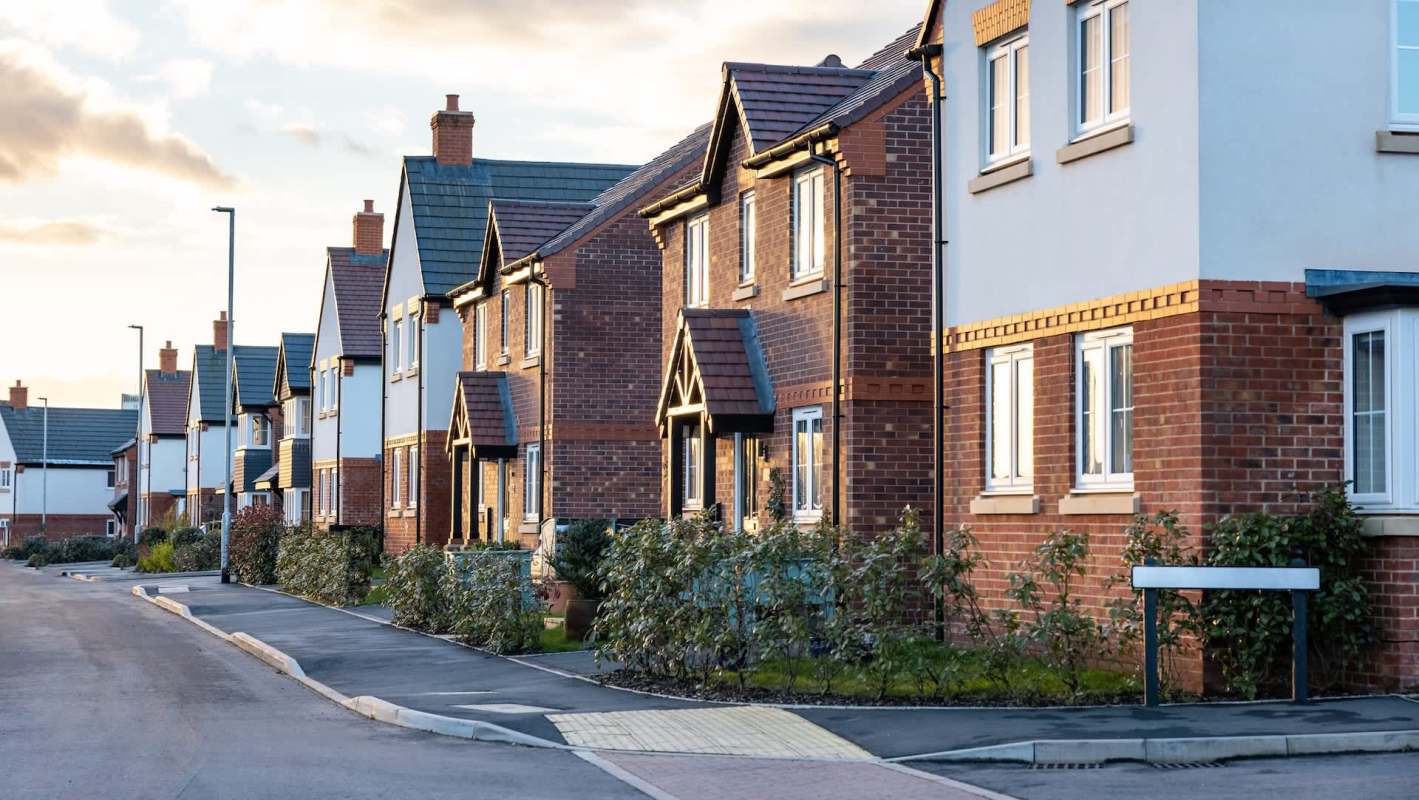
While the United States abruptly reversed course on the energy transition over the past year, the United Kingdom is leaning into it, according to the BBC.
On Jan. 21, the UK government released a "long-awaited" policy paper, the Warm Homes Plan.
Also known as a "white paper," these documents are precursors to legislation, detailing policy proposals that are expected to evolve into a bill.
As the BBC reported, the sweeping plan pledged £15 billion ($20.1 billion) to British households over a five-year period for green tech upgrades, such as solar panels.
In a foreword to the 152-page plan, Secretary of State for Energy Security Ed Miliband called the Warm Homes Plan "the biggest public investment in home upgrades in British history to cut bills, tackle fuel poverty … and get us off the rollercoaster of international fossil fuel markets."
"Affordability" was heavily foregrounded in the paper, with clean energy presented as a multi-pronged solution to myriad interconnected problems, including fuel poverty.
In the UK, fuel poverty is defined as households spending 10% or more of their income to maintain a livable indoor temperature.
In April, the UK Parliament found that 11% of households in England met the criteria. Those numbers were higher in Scotland (34%), Wales (14%), and Northern Ireland (24%).
The Warm Homes Plan focused heavily on subsidizing solar panels, heat pumps, and battery backups to build energy resilience and enable flexible metering. Under the plan, a combination of "low-interest loans and grants" would fund the home upgrades.
Miliband visited BBC Breakfast on Jan. 21, and said the plan was designed to broaden "the choices that people have, so something like a heat pump or a solar panel isn't just in the reach of the wealthiest."
TCD Picks » Quince Spotlight
💡These best-sellers from Quince deliver affordable, sustainable luxury for all




|
Should the government continue to give tax incentives for energy-efficient home upgrades? Click your choice to see results and speak your mind. |
 Absolutely 💯
 The plan allocated an additional £600 million ($805 million) to cover the full cost of upgrading eligible low-income households to solar power with battery backups, though low- and no-interest loans for "able-to-pay" households were also included.
Per the BBC, the UK government estimated that in a small, semi-detached home, the upgrades could save households £500 ($671) a year, while advocacy groups placed the figure at "more than £1000" ($1,342).
Although the UK's Warm Homes Plan was extensive and ambitious, covering a range of green upgrades that will save British households significant money on energy bills, the paper's title hinted at its core pledge to the public.
"A warm home shouldn't be a privilege, it should be a basic guarantee for every family in Britain," said British Prime Minister Keir Starmer.

Get TCD's free newsletters for easy tips to save more, waste less, and make smarter choices — and earn up to $5,000 toward clean upgrades in TCD's exclusive Rewards Club.
Cool Picks





