


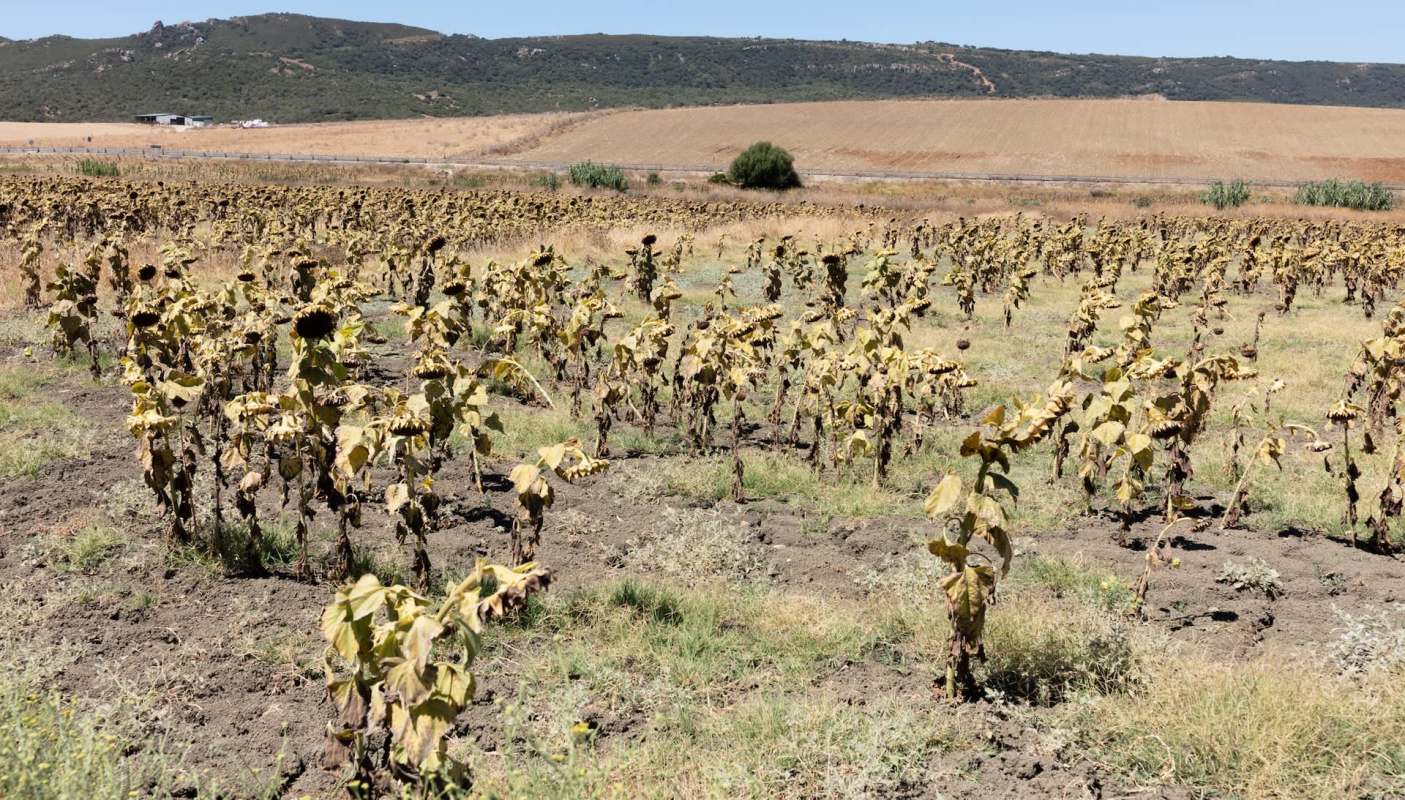
A professor has warned that climate change could impact Turkey's future crop yields.
What's happening?
Professor Önder Çalmaşur, dean of the Faculty of Agriculture at Atatürk University, told the Daily Sabah that changing weather patterns will heavily impact Turkey's agricultural sector.
Çalmaşur stated that precipitation in the Mediterranean basin has dropped by 20% in the past 25 years. If the planet continues to warm at its current rate, he said that the agricultural sector stands to lose the most.
"Access to water and unfavorable climate conditions directly reduce productivity, causing significant losses," Çalmaşur said.
"Globally, much of the decline in agricultural output is attributed to climate-related factors such as droughts, sudden flooding, untimely rainfall, hail, frost, and storms."
Referencing studies from the Turkish General Directorate of Meteorology, Çalmaşur went on to say that Turkey's greatest yield reductions will likely be in wheat, corn, and sunflower.
Perk up the winter blues with natural, hemp-derived gummies Camino's hemp-derived gummies naturally support balance and recovery without disrupting your routine, so you can enjoy reliable, consistent dosing without guesswork or habit-forming ingredients. Flavors like sparkling pear for social events and tropical-burst for recovery deliver a sophisticated, elevated taste experience — and orchard peach for balance offers everyday support for managing stress while staying clear-headed and elevated.
Learn more → |

Why is the decline in Turkey's crop yields concerning?
This critical climate issue isn't exclusive to Turkey. As Çalmaşur mentioned, the planet's warming has global impacts.
While the climate has changed over the millennia, scientists agree that the current rate of warming is unprecedented. Pollution from human activity has contributed to rising global temperatures, causing more frequent and intense extreme weather events.
This affects farmers' livelihoods in Turkey and worldwide. For example, farmers in India experienced a 50% drop in grape production after a particularly harsh monsoon season, while dry conditions cost Kenyan farmers crucial crops.
What can be done about reduced crop yields?
Lower crop yields typically lead to higher grocery prices. To handle this growing problem on an individual level, consider reducing your grocery bill by growing your own food or exploring more plant-based dishes.
TCD Picks » Upway Spotlight
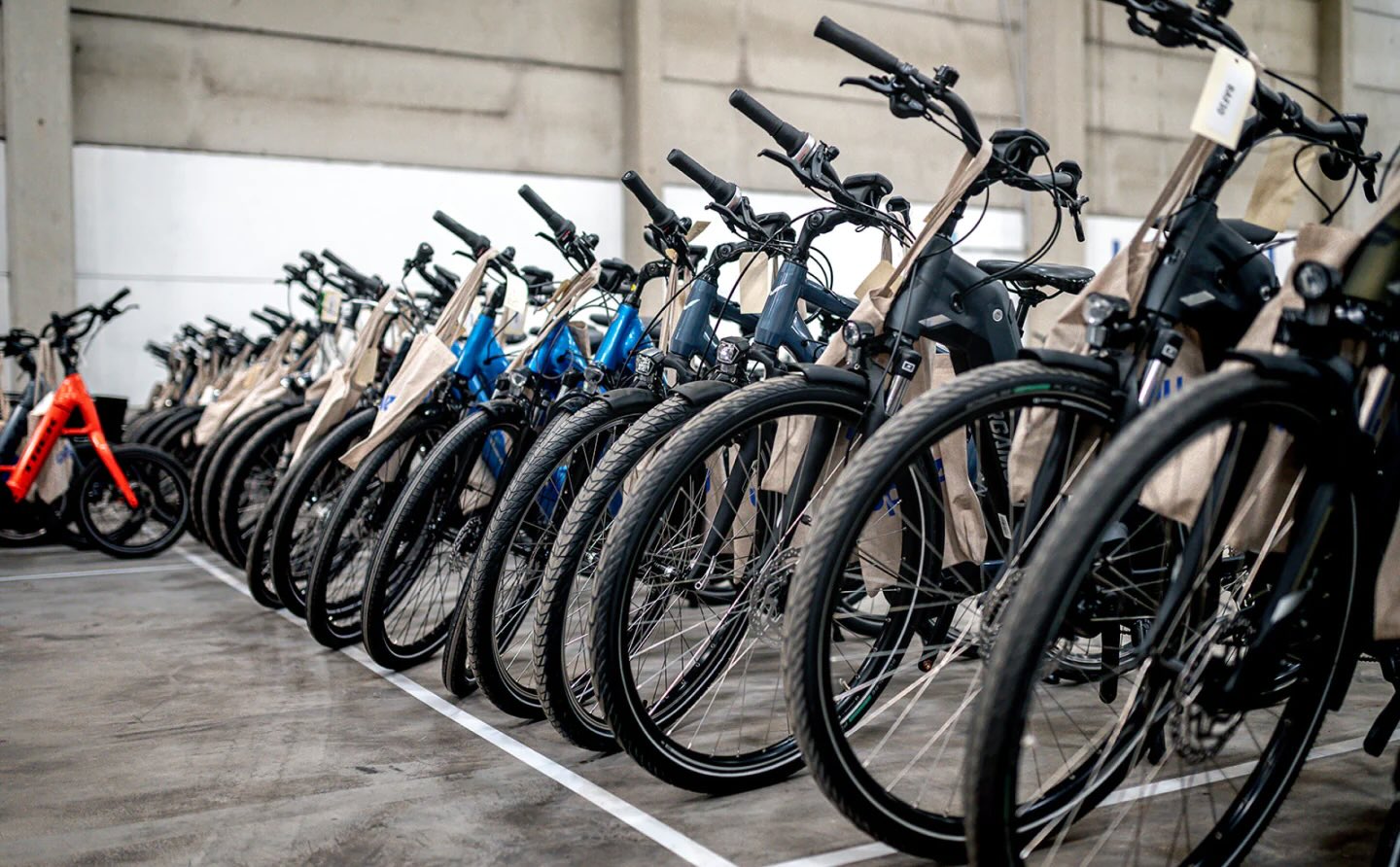
💡Upway makes it easy to find discounts of up to 60% on premium e-bike brands




|
Do you think our phones and devices have enough battery life? Click your choice to see results and speak your mind. |
 No complaints here 👍
 Ultimately, the root cause of the issue must be addressed for long-term change. Until extreme polluters make an effort to reduce their planet-warming gas output, these problems will continue.
Donating to climate causes and voting for pro-climate candidates can help instigate this change on a larger scale.

Get TCD's free newsletters for easy tips to save more, waste less, and make smarter choices — and earn up to $5,000 toward clean upgrades in TCD's exclusive Rewards Club.
Cool Picks





