


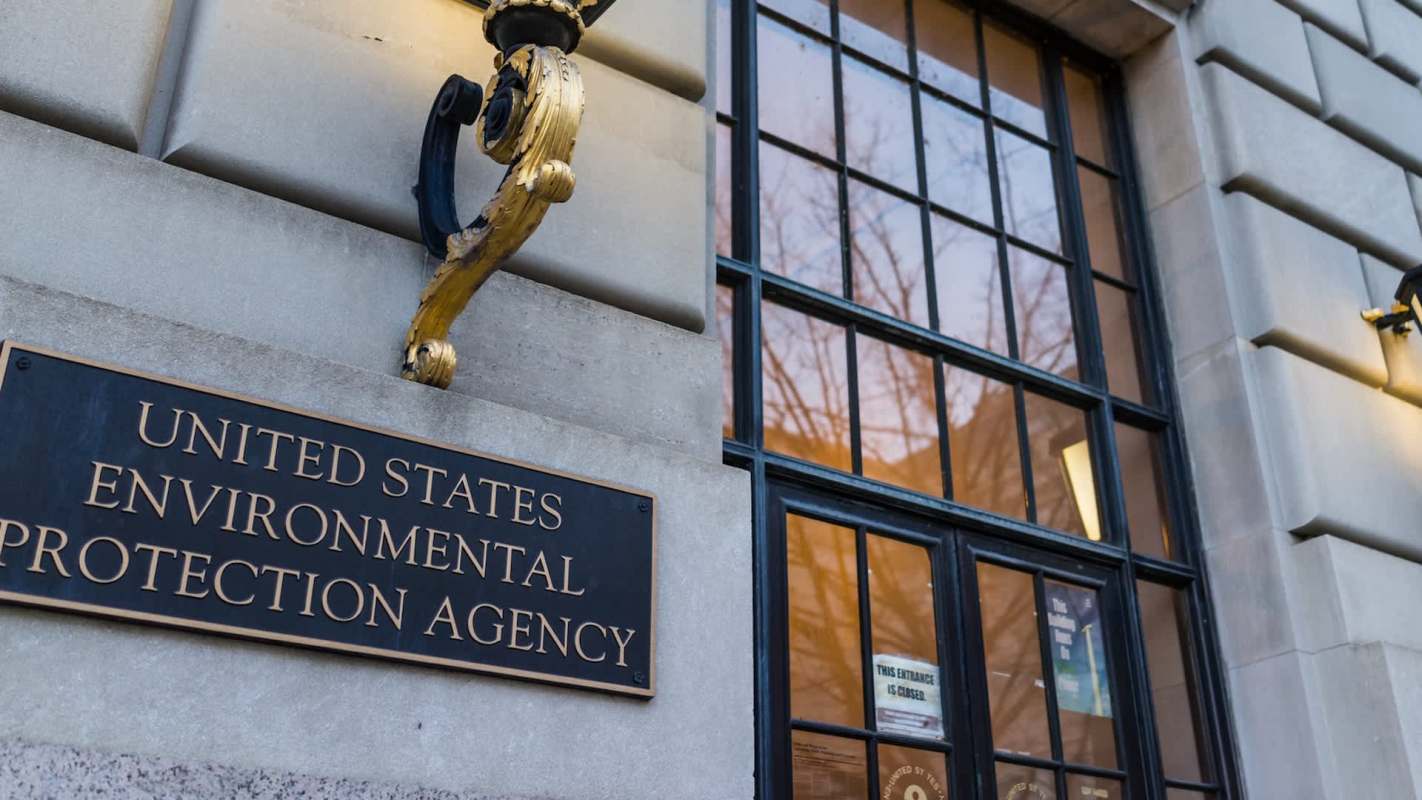
In 1976, Congress gave the U.S. Environmental Protection Agency the power to regulate and restrict chemicals through the Toxic Substances Control Act.
New guidelines from the Trump administration could reduce protections against many toxic chemicals, the Guardian reported.
What's happening?
Public health professionals and EPA members warn that new rules will likely weaken safety review protocol for multiple dangerous chemicals. They include PFAS, asbestos, and formaldehyde.
The new rule would also ban states from restricting certain chemicals. They wouldn't be able to enforce their own protections against toxic chemicals.
"This is a gift to industry wrapped on golden wrapping paper with a big bow on it," said Kyla Bennett, a former EPA employee now with the Public Employees for Environmental Responsibility.
The new rule would hasten the review process. Many are concerned that these quicker tests will lead to more dangerous chemicals out in the world. It could also open new loopholes like those in the Clean Air Act that allow the EPA to ignore air pollutants caused by natural or uncontrollable events, while privacy laws would leave a gap in in data under the new standard.
TCD Picks » Quince Spotlight
💡These best-sellers from Quince deliver affordable, sustainable luxury for all




On the other hand, an EPA spokesperson said in a statement that the new rule "would better protect human health and the environment by amending provisions that may impede the timely completion of risk evaluations."
Why is chemical regulation important?
Handling certain toxic chemicals poses health risks to employees. Without proper regulations, employees may not have full protection based on scientific knowledge.
According to PLBH Law, many manufacturing workers are exposed to a variety of toxic fumes, solvents, or heavy metals. The CDC also noted that "workplace exposure to PFAS has been linked to cancer among other health effects."
Ingesting these chemicals is also a health concern to consumers. BYU's Ballard Brief noted that only about 1% of the 84,000 popular chemicals used today have been properly tested. The long-term health consequences of exposure to many chemicals are still unknown.
|
Do you worry about having toxic forever chemicals in your home?
Click your choice to see results and speak your mind. |
 Majorly 😥
 Chemicals are used in a wide variety of fields from manufacturing to agriculture. One newer usage is as a coolant in AI data facilities. While these chemicals perform important functions to keep these energy-intensive operations running, they have unknown effects due to rushed testing.
What's being done about the new chemical rule?
Because of the length of review processes, a change in ruling about the processes has ripple effects that could take years to undo. This would be the case even with a change in political party or priorities.
Employees and advocates for public health and the environment are raising awareness of the risks related to this new rule.
"It would pull the rug out from the program and for almost every chemical it would say 'insufficient information,'" one EPA employee, who wanted to remain anonymous, told the Guardian.

Join our free newsletter for good news and useful tips, and don't miss this cool list of easy ways to help yourself while helping the planet.






