


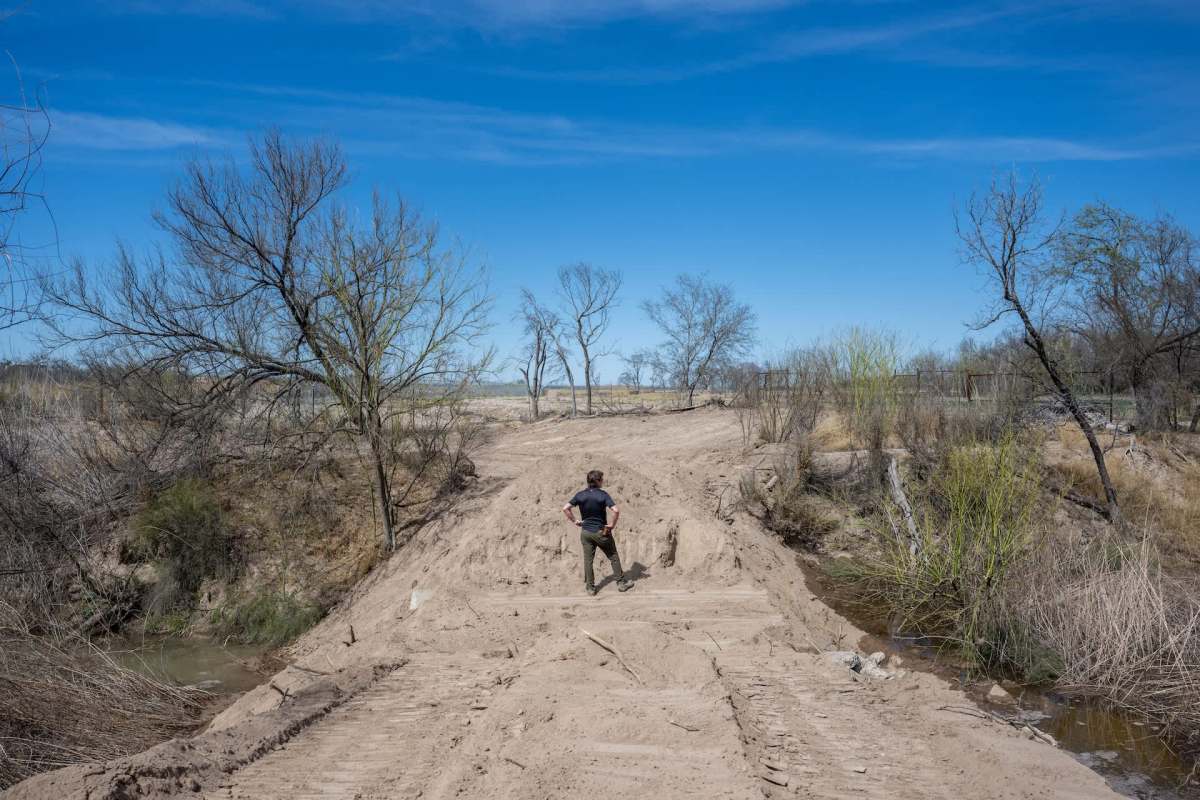
Texas is on the front lines of a controversial data center boom sparking both optimism and outrage as the Lone Star State grapples with hotter and drier weather.
What's happening?
As Newsweek detailed, developers see Texas as an attractive location for data center development because of its business-friendly policies and independent energy grid.
While a Data Center Coalition industry report found that data centers supported nearly 500,000 jobs and brought in $35 billion in labor income in 2023, per the Texas Economic Development Corporation, that activity has also strained water resources in the drought-stricken state.
In San Antonio, two data centers owned by Microsoft and the Army Corps used 463 million gallons of water over the past two years while residents were only allowed to water their lawns once per week due to Stage 3 drought conditions.
All in all, the Houston Advanced Research Center expects Texas data centers will have used 49 billion gallons of water by the end of the year. It expects that number to reach 399 billion gallons by 2030, according to the San Antonio-Express News.
Why is this important?
Texas doesn't have any laws to limit data center water usage, according to Newsweek, raising fears of further disruptions to the food supply chain, given that the Lone Star State is one of the top agricultural producers in the United States.
According to the Texas Farm Bureau, the state's food and agriculture sectors employ millions while generating nearly $861 billion in economic activity.
However, the Environmental Protection Agency warns that a changing climate threatens to upend these lucrative (and water-intensive) industries, resulting in reduced dairy production and crop yields.
As global temperatures have risen, primarily due to heat-trapping pollution from dirty fuels, the planet is dealing with more frequent severe weather events.
Texas has been experiencing intense rainfall along with dry spells as part of its "weather whiplash," per the National Integrated Drought Information System. However, droughts inhibit the soil's ability to absorb water, meaning a deluge often offers merely a temporary reprieve.
TCD Picks » Quince Spotlight
💡These best-sellers from Quince deliver affordable, sustainable luxury for all




|
Should the government be allowed to restrict how much water we use? Click your choice to see results and speak your mind. |
 Definitely 💯
 What's being done about this
Texas lawmakers passed legislation allowing the Electric Reliability Council of Texas to limit or cut access to electricity for data centers and other energy-intensive users during emergencies, Newsweek reported. They could also take steps to regulate water usage in data centers.
However, the Texas Water Development Board isn't scheduled to finalize its state water plan until 2027.
Meanwhile, drought-impacted cities like San Antonio are stepping up. This spring, San Antonio launched a program that pays residents hundreds of dollars to convert their water-hungry grass lawns to money-saving native gardens.
Garden Style San Antonio is one resource assisting locals with transforming their yards. The National Audubon Society's Native Plants Database is another tool helping homeowners nationwide discover which species are native to their area.

Join our free newsletter for good news and useful tips, and don't miss this cool list of easy ways to help yourself while helping the planet.
Cool Picks





