


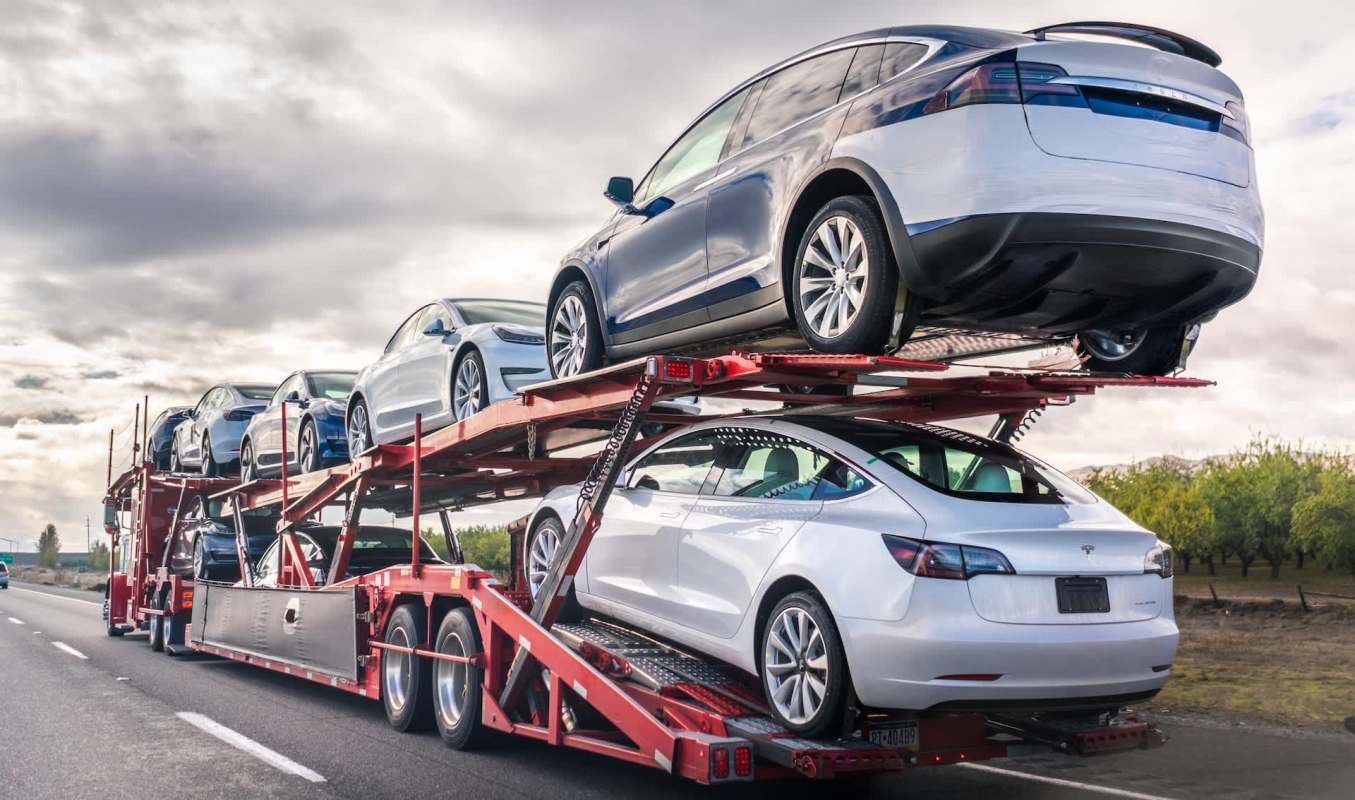
A rough 2025 gave way to a much better quarter for Tesla's auto business. As InsideEVs detailed, the company delivered just over 480,000 vehicles worldwide, a 25% increase from a year earlier and well above analyst expectations.
What happened?
For Tesla, the latest delivery update was an unusually positive signal. InsideEVs said it was the company's strongest second quarter ever and that it may indicate demand is starting to stabilize after two years of declining sales. Wall Street had been expecting roughly 406,000 deliveries, so the reported figure was a meaningful beat.
Since Tesla does not publicly break out deliveries by region, outside data helps explain where the strength may have come from.
Europe appears to have been a major contributor, with figures from the European Automobile Manufacturers' Association showing Tesla's sales there jumped 77% from January through May compared with the same period in 2025, according to InsideEVs.
The picture in China was less clear-cut. Tesla's sales there slipped about 2% during the quarter, per InsideEVs, marking its fifth straight quarterly decline in the market.
Phate Zhang, founder of the Chinese EV website CnEVPost, said in an email to the outlet that the company is still proving resilient amid intense competition.
TCD Picks » Quince Spotlight
💡These best-sellers from Quince deliver affordable, sustainable luxury for all




"Conventional wisdom might suggest that price cuts and new models by domestic competitors could impact Tesla, but experience over the past several years shows that this is not the case," Zhang wrote to InsideEVs.
The U.S., meanwhile, remained a weak point. Cox Automotive estimated Tesla sold 124,800 vehicles domestically last quarter, down 13% from a year earlier, after a 2025 in which the company's sales had already been under notable pressure, especially in the United States.
Why does it matter?
Higher sales can support more lease incentives, financing offers, and greater inventory availability, while also expanding the used EV market for shoppers seeking lower upfront prices.
The regional contrast also reflects what's happening in the broader EV market. In Europe, subsidies and high fuel prices are helping drive strong plug-in vehicle sales, and some skeptics cautioned InsideEVs that Tesla's success could be fleeting.
In the U.S., however, EV demand fell sharply after federal tax incentives changed, meaning Tesla's smaller decline still represented outperformance relative to the broader segment, the outlet noted.
For China, Zhang suggested to InsideEVs that Tesla's ceiling might not be high due to a lack of new models and Full Self-Driving's slower rollout.
What's being done?
Tesla is trying to attract more buyers by expanding its lineup, as InsideEVs reports. After first debuting in China, the larger Model Y L has now arrived in the U.S., giving families shopping for a crossover a more practical third row with easier access and extra seating.
Ivan Drury, director of insights at Edmunds, said the move could help because buyers consistently ask for more room in three-row vehicles.
"It's a move in the right direction of trying to give people something new, and a little bit different sheet metal," he told InsideEVs.
Tesla's bounce does not erase the weakness it showed last year, but it does suggest the company may be finding firmer footing.

Get TCD's free newsletters for easy tips, smart advice, and a chance to earn $5,000 toward home upgrades. To see more stories like this one, change your Google preferences here.






