


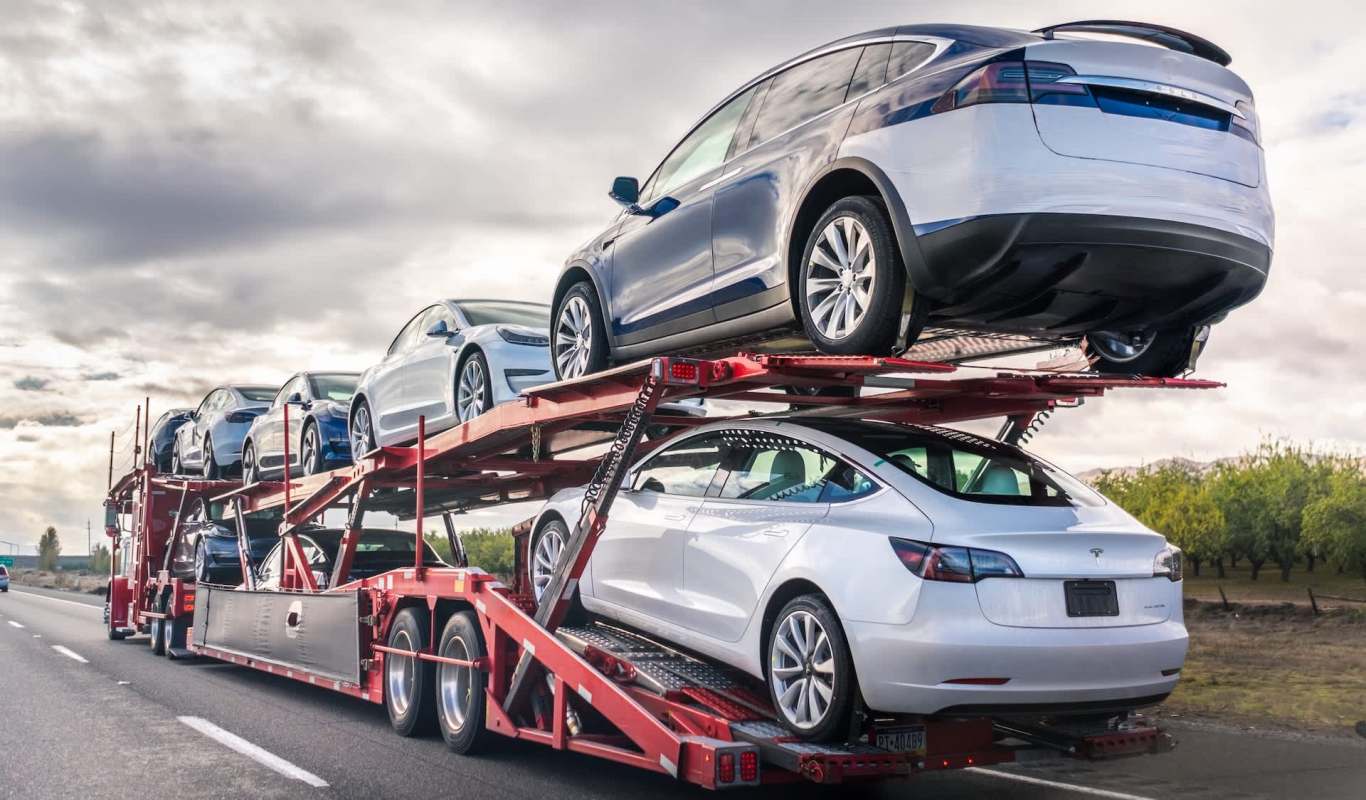
The announcement of two "new" cars didn't make much of a splash for Tesla last week, as the company's stock actually fell immediately afterward.
What's happening?
In early October, Tesla announced new, cheaper models of its Model Y and Model 3. As the BBC reports, the move appears to be Tesla's way to boost sales in the fourth quarter after the expiration of the United States' federal tax credit on electric vehicles.
But Wall Street didn't seem to be too impressed, as the company's stock fell by about 4% after the new models were announced.
Analysts told the BBC that, as CEO Elon Musk has repeatedly touted his company's future being centered on autonomous cars and robots, its passenger-car business seems to have suffered.
"Elon has this way of getting people to really focus on the future. And today is the downside of that," StoneX analyst James Stanley said. "It's a lower-cost EV that everyone pretty much saw coming."
Sure enough, the new models introduced aren't really that new or that much cheaper. Known as the "Standard" model, the new Model 3 and Model Y are slightly less powerful and without all of the features of previous models, and they each cost $5,000 less than previous models.
TCD Picks » Quince Spotlight
💡These best-sellers from Quince deliver affordable, sustainable luxury for all




Still, on the upside, that's nothing to sneeze at, and the timing coming after the federal $7,500 EV tax credit ended on Sept. 30 is both a pro and a con here — as it does help to offset that loss, but thrifty buyers in the market for an EV would have already taken advantage. Tesla's cheaper models, then, may have more long-term value toward helping the brand stay competitive, especially when considering that the company can make additional money from charging as well as software add-ons like Full Self-Driving (Supervised).
Why is this important?
In the past, Musk had promised new, less-expensive Tesla models would join the company's lineup. But the company changed course, instead focusing on autonomous features and programs like Robotaxi, its self-driving cab service that launched this summer in Austin, Texas.
Tesla's last fully new model, the Cybertruck, released to mass hype, thanks at least somewhat to its unorthodox, straight-lined look. But its sales haven't matched that hype.
In the second quarter of this year, Tesla sold just 4,306 Cybertrucks, a year-over-year drop of more than 50%. Some insurance companies have even stopped covering the Cybertruck, citing its low sales and the repair issues presented by its unusual design.
|
In your opinion, what's the best way to get a new car? Click your choice to see results and speak your mind. |
 Buy a new model 🤝
 Meanwhile, a number of new competitors have popped up, taking a chunk out of Tesla's business. In fact, Tesla's EV market share within the U.S. has fallen to all-time lows.
What can I do about this?
Given Tesla's past dominance in the EV field, any dip in Tesla sales used to mean fewer EVs on the road. But that's not the case anymore, as EV sales actually continue to soar.
The more people that switch from gas-powered cars to EVs, the cleaner our roads and our planet become. With no gas tanks to fill, no oil to change, and no tailpipe emissions, EVs are not only considerably better for the environment than their gas-powered counterparts, but are actually cheaper to drive each year, too.

Join our free newsletter for good news and useful tips, and don't miss this cool list of easy ways to help yourself while helping the planet.






