


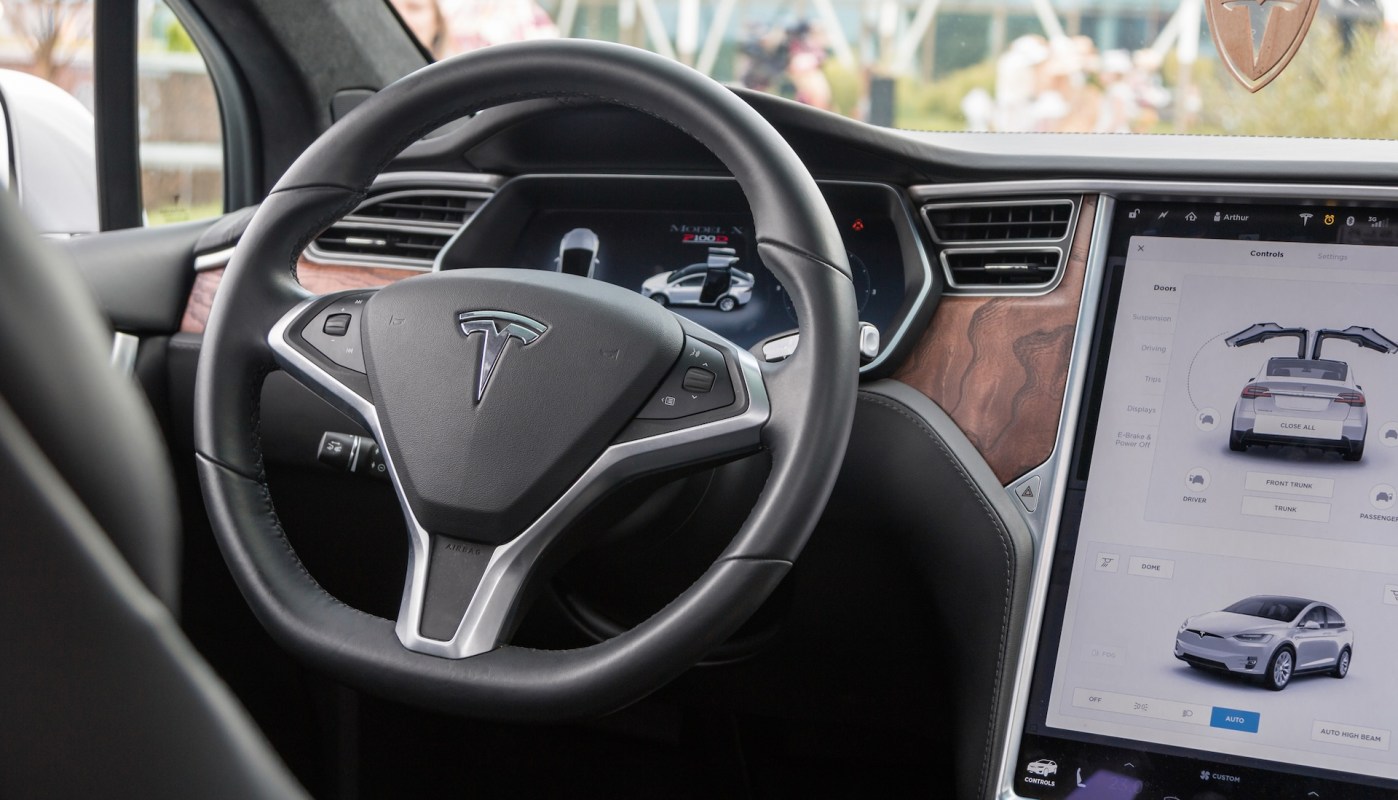
A legal settlement over a Tesla Autopilot crash adds to growing questions about how dependable the company's driver-assist system really is.
What's happening?
According to Electrek, the newest settlement stems from a 2020 crash in which a Model Y on Autopilot slammed into a parked police vehicle on the I-10 freeway in Texas.
The driver, James Tran, was traveling with Autopilot engaged when the vehicle failed to notice three law enforcement vehicles blocking traffic after an earlier accident.
Tran's legal team argued that Autopilot did not properly warn the driver about its "inability to detect emergency cars with flashing lights" and sought more than $1 million in damages.
While Tesla did not admit fault, this marked the fourth known case the company resolved quietly, following other incidents in which Autopilot led to cars crashing.
This also adds to a broader pattern of challenges Tesla has faced, like an earlier software update that apparently made the company's full self-driving feature less safe, or reports of slowing EV sales growth affecting its quarterly deliveries.
Together, these issues have raised questions for customers about consistency, reliability, and support.
Why is this concerning for drivers?
For drivers, these settlements highlight a practical, real-world issue: trust.
Many buyers choose Tesla precisely because its driver-assist features are supposed to lighten the load on long commutes. When the system struggles with something as basic as spotting emergency lights, it doesn't just shake confidence; it puts people at risk.
There are financial implications, too. If legal pressure or technical updates drive up repair costs or slow production, owners could end up paying more for vehicles or software over time.
TCD Picks » Quince Spotlight
💡These best-sellers from Quince deliver affordable, sustainable luxury for all




|
Do you trust self-driving cars as much as you trust human drivers? Click your choice to see results and speak your mind. |
 No way 👎
 As the price of entry rises, fewer people may be able to switch to electric cars. That also slows the shift toward cleaner transportation options — which is necessary to reduce pollution from the transportation sector.
What's being done about Tesla's Autopilot?
Tesla has rolled out several software updates meant to sharpen Autopilot's alerts and help the system spot stopped vehicles more reliably.
Regulators have also been pushing the industry to tighten things up, calling for clearer driver-attention reminders and tougher testing before these features hit the road.
For consumers, the most empowering step is staying informed. Researching how different automakers design and support their driver-assist systems can help buyers choose the tech that fits their comfort level.
Taking a test drive with these features enabled — and treating them as assistive tools rather than replacements for human attention — can also make a real difference on the road.

💰Get TCD's free newsletters for easy tips to save more, waste less, and make smarter choices — and earn up to $5,000 toward clean upgrades in TCD's exclusive Rewards Club.
Cool Picks





