


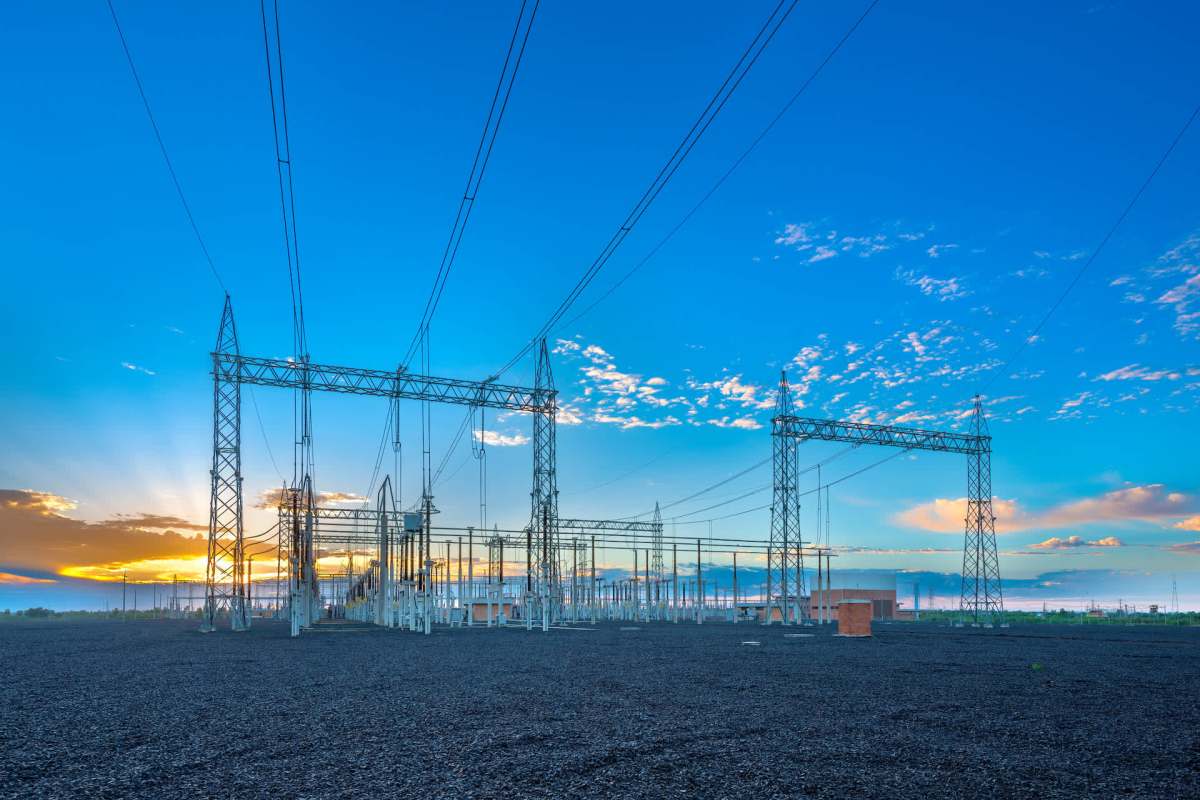
Keeping a tree lit will be more expensive this holiday season for many households.
That's because electricity rates in 10 states spiked 15% from July 2024 to July 2025, and more increases are likely on the way, according to the National Post.
It's a scenario that highlights the value of energy independence at home, made possible with solar energy.
What's happening?
It has been widely reported that electricity rates are rising faster than inflation. The Post said that customers in Illinois, Indiana, Iowa, Massachusetts, Michigan, Minnesota, New Jersey, Ohio, Pennsylvania, Wisconsin, and Washington, D.C., are among those who have experienced the highest spikes.
"We're not used to rates going up like that," Mark Wolfe, executive director of the National Energy Assistance Directors Association, said. The Post added that the average American spends up to 4% of their earnings on home energy. It's up to 9% for low-income households.
The weather, shifting government policy, and growing data center power demand are among the reasons listed in the report. NASA has linked the planet's overheating to more extreme storms that can damage infrastructure.
Home solar is a great way to achieve energy independence, and The Cool Down's experts can help you get started via exploring your options. A solar array can limit or eliminate your energy bill, and a battery backup can unlock even more resiliency to outages and fluctuating costs, for example.
Why are rate spikes important?
"It's sort of like the new price of eggs. People are really struggling," John Howat, senior energy analyst at the Boston-based National Consumer Law Center, added.
Get $1,000 cash to slash your bills with rooftop solar panels for $0 down and low monthly payments Whatever your solar budget, Palmetto can help you save. If you want to buy your own panels, Palmetto's advisors can help you save up to $10,000 on installation through a network of preferred installers. And if you'd rather get solar savings without upfront costs, Palmetto's revolutionary LightReach subscription program can deliver — including an exclusive $1,000 cashback offer for TCD readers. LightReach lets you lease solar panels with no money down, making it painless to lock in long-term savings of up to 33% off your current power bill. Palmetto covers a 25-year warranty for the panels, which means you'll get reliable performance without unforeseen costs. To get started, just book a short meeting with Palmetto's experts to explore your options and find the solution that's right for you. |

Electricity rates can feel like an uncontrollable cost, but homeowners have more options than they realize. While buying panels can be expensive, there's still time for you to leverage federal tax breaks through Dec. 31. TCD's experts can help you navigate the process, find an installer, and secure the incentives before they expire, saving up to $10,000.
Leasing through Palmetto's LightReach program is another option that avoids upfront costs altogether.
|
Would you rather sign up for community solar, or install panels on your home?
Click your choice to see results and speak your mind. |
 I want panels 🏠
 How can solar help?
Sun energy is free, and the panels that collect it last for up to three decades, according to This Old House. This makes them a long-term investment well after the array's expenses are covered. On the other hand, LightReach is a great option that doesn't require any money down. Palmetto owns the panels, installs and maintains them, and eventually removes them at the end of the lease, if that's the route the customer chooses. Renters use all the electricity, with the potential to reduce utility rates by 20%.
Pairing home solar with efficient appliances such as a heat pump can bring you even more savings. The Department of Energy reports that heat pumps can reduce your electricity use for heating by up to 75%, addressing one of a home's main power draws. Mitsubishi's trusted team can help you find the right type and an installer from its network of professionals.
Staying informed about rising electricity rates and why they are spiking is also important. With the right knowledge, you can form an energy plan that's resilient to the changes you can't control, including the suspect grid, increasing power demand, and skyrocketing rates.
"Utilities had neglected the reliability of the grid for a long time. Now it's catching up," Wolfe said.

💰Join TCD's exclusive Rewards Club to earn up to $5,000 toward clean upgrades that will help you slash your bills and future-proof your home.
Cool Picks


