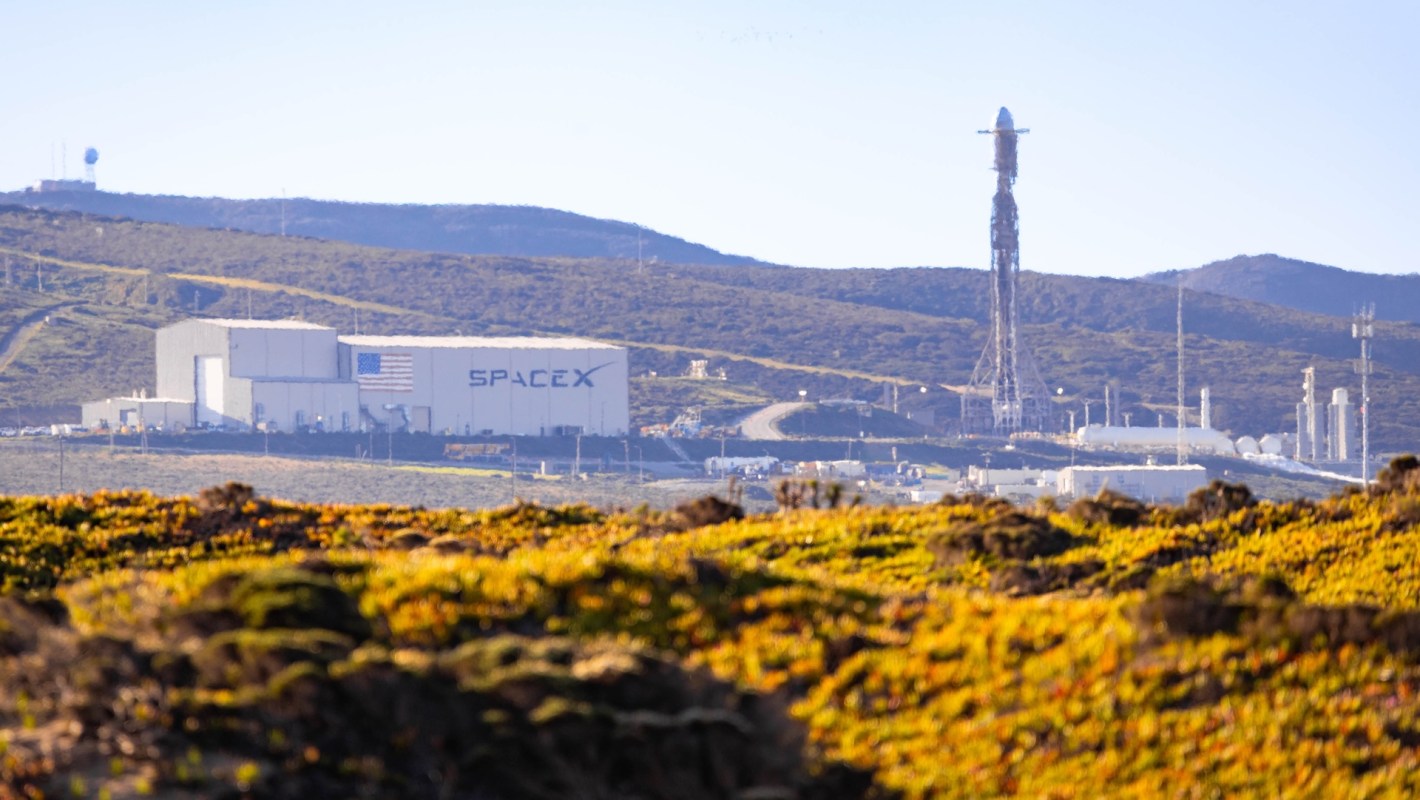
SpaceX may soon bring another key part of the rocket business in-house: fuel.
Plans for an 8-mile natural gas pipeline to the company's Starbase facility in South Texas could give it a larger role in producing its own propellant as Starship launch activity ramps up.
What's happening?
County filings cited by Reuters show that SpaceX affiliate Lone Star Mineral Development is seeking to build a pipeline called Starpipe. The proposed line would connect land that SpaceX recently leased near the Port of Brownsville with its Starbase launch site.
Separate plans call for a liquefaction facility at Starbase to convert gas into liquid methane for rocket fuel. By doing more of that work itself, SpaceX could rely less heavily on external fuel suppliers.
Fuel demand is central to the project: Each Starship launch uses about 630,000 gallons of liquid methane. Meanwhile, the Federal Aviation Administration has increased SpaceX's annual launch limit from five to 25.
Starship has logged 12 test flights since April 2023, and SpaceX wants to fly far more often in the future. Reuters reported that the pipeline could be operational by Jan. 26, 2027, and it might provide enough gas for more launches than are currently approved.
TCD Picks » Quince Spotlight
💡These best-sellers from Quince deliver affordable, sustainable luxury for all




Why does it matter?
Bringing gas delivery and processing under its own umbrella fits SpaceX's broader push for faster, more consistent Starship operations. For a company that already holds a dominant position in much of the commercial launch market, owning more of the fuel system could make it easier to plan and scale frequent flights.
While this pipeline is intended for rockets rather than home power, it would still add new long-lived fossil-fuel infrastructure. For nearby communities, that can raise concerns about pollution, industrial expansion, land use, and whether public oversight is keeping pace with private growth.
Space exploration may be moving quickly, but this plan shows that some of that growth remains closely tied to methane-based fuel.
What's being done?
SpaceX has mapped out the fuel infrastructure it says it needs. Along with leasing 83 acres on the south side of the Port of Brownsville, the company has proposed Starpipe and on-site processing to turn natural gas into usable rocket propellant.
The project still must move through permitting and review channels. Filings have gone to the Texas Railroad Commission, and documents have also been submitted to the U.S. Army Corps of Engineers, meaning regulators will play a role in whether and how the buildout proceeds.
If Starpipe moves forward, it will extend SpaceX's control over another essential part of launching rockets — while reopening a familiar debate over how much new fossil-fuel infrastructure should be built in the name of progress.

Get TCD's free newsletters for easy tips, smart advice, and a chance to earn $5,000 toward home upgrades. To see more stories like this one, change your Google preferences here.