


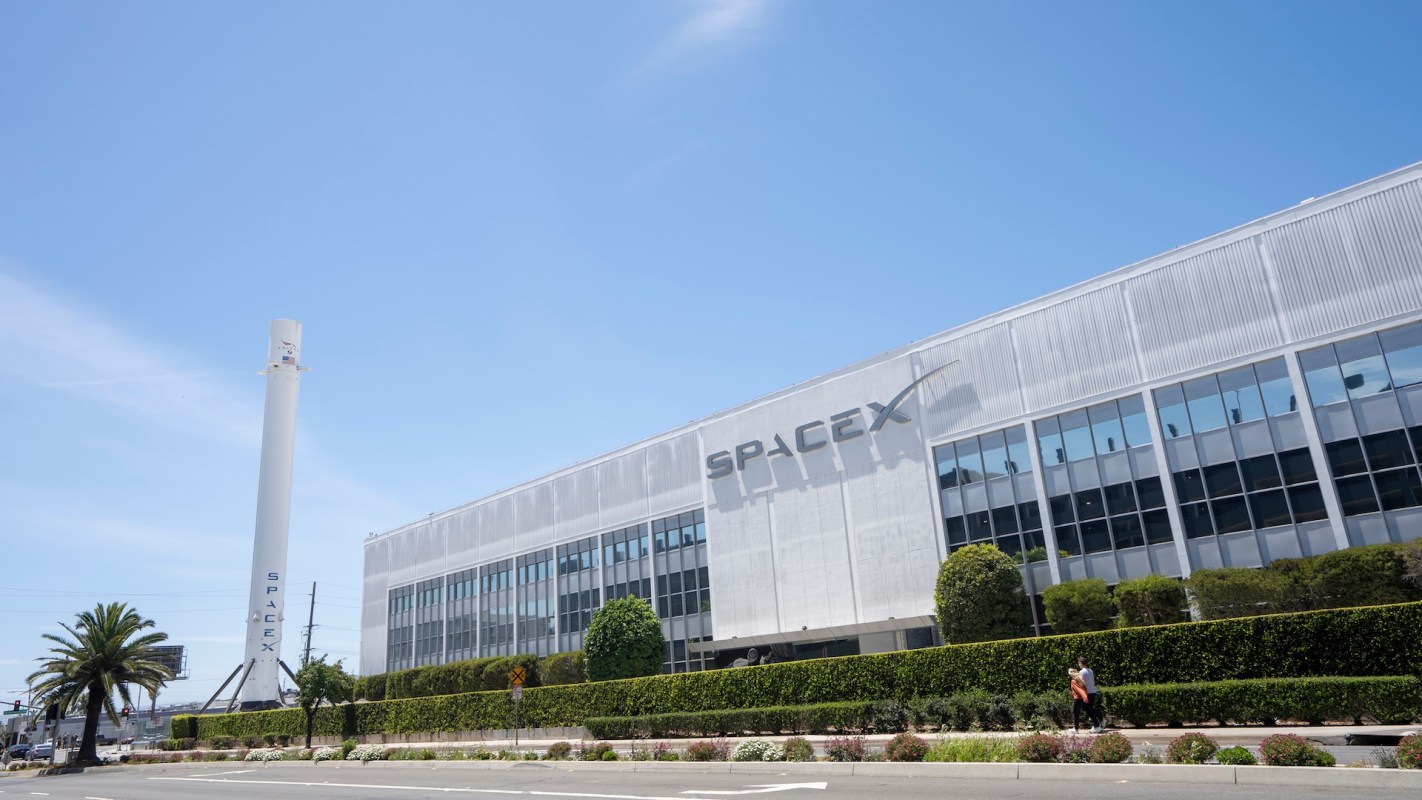
SpaceX, Elon Musk's company, is approaching a stock market debut that could become one of the most closely watched in years and may make history right away.
According to NPR, which cited SpaceX's June filing with the Securities and Exchange Commission, the company plans to sell more than 555 million shares at about $135 each. That offering would raise $75 billion, and public trading is expected to begin Friday under the ticker SPCX.
What's happening?
A price near that target would put SpaceX ahead of every previous IPO. If the predictions come to fruition, the company's initial offering would surpass Saudi Aramco's 2019 debut, which raised $29.4 billion, NPR noted.
Since buying Musk's AI company xAI, SpaceX has become a central name in the artificial intelligence rush.
While other leading AI companies OpenAI and Anthropic are also working towards offering IPO's, in the case of SpaceX, investors are betting on AI's growth and on Musk himself.
As Angelo Bochanis, an associate at Renaissance Capital, told NPR, "for a lot of people looking at this deal, whether you want to buy it or not is in part a bet on Elon Musk."
TCD Picks » Quince Spotlight
💡These best-sellers from Quince deliver affordable, sustainable luxury for all




SpaceX's filing also says Musk will retain more than 80% of the company's voting power, giving him unusually strong control even after the company begins trading publicly.
Why does it matter?
At $135 a share, SpaceX would be worth about $1.75 trillion, enough to rank it among the world's 10 largest publicly traded companies, NPR noted.
Analysts say a debut of that size could shake up the market by drawing money out of other stocks and increasing volatility. They also expect index providers to move fast to add SpaceX to major benchmarks, which means funds tied to those indexes — including some retirement and college savings funds — could wind up owning the stock even for people who never choose it directly.
The IPO could also serve as a test for AI companies. Once public, SpaceX will be required to disclose more about its finances and show that enormous spending can eventually translate into meaningful profits.
As Songyee Yoon, managing partner at Principal Venture Partners, told NPR, "It is true that it's a kind of technology with huge potential, but I think we have to also be grounded in thinking about what we can actually accomplish within reasonable means."
What can I do?
IPOs can surge on their first day of trading, but they can also fall just as quickly, and experts say it is difficult to predict which outcome will prevail.
Enthusiasm around AI has already helped fuel major gains as well as sharp volatility. By Wednesday's close, the Nasdaq had dropped 7.4% from its June 1 high, a sign that excitement around AI is beginning to collide with questions about profitability and returns.

Get TCD's free newsletters for easy tips, smart advice, and a chance to earn $5,000 toward home upgrades. To see more stories like this one, change your Google preferences here.






