


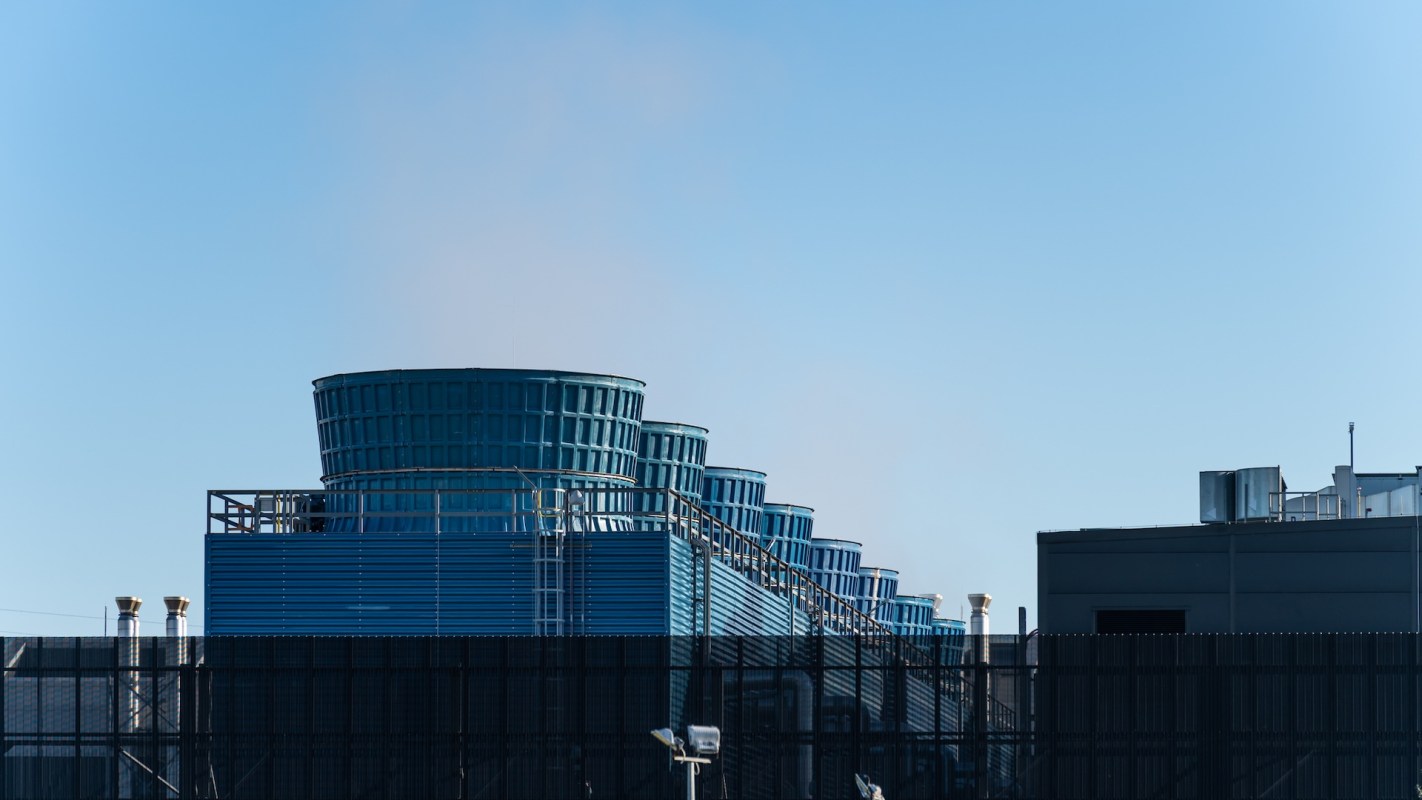
In the Pacific Northwest, the energy needs of rapidly expanding data centers are colliding with climate concerns, as KHQ-TV detailed.
A new report says that in Washington and Oregon, the buildout of AI and internet infrastructure is being accompanied by proposals for new methane infrastructure.
What happened?
According to a Columbia Riverkeeper report highlighted by KHQ-TV, rising electricity demand from data centers is being linked by advocates to new fossil-fuel development in the Pacific Northwest.
They warn the network that gas pipelines and gas-fired power projects could gain momentum in a region that had been working to move away from fossil fuels.
Quincy, Washington, has become a focal point in that debate, KHQ-TV noted. The city is a major data-center hub, with companies such as Microsoft investing there, and the Grant County Public Utilities Department wants to raise the amount of power delivered to Quincy from 372 megawatts to 750.
At the same time, the station reports Grant PUD wants to use private land for transmission-tower construction, and commissioners have shown interest in adding new gas-fired power plants.
TCD Picks » Quince Spotlight
💡These best-sellers from Quince deliver affordable, sustainable luxury for all




The report also highlights The Williams Companies' Valley Trail Project, which would extend the Northwest Pipeline into Quincy and add 137 miles of new pipeline, as KHQ-TV noted.
Why does it matter?
Data centers are critical to modern life, supporting cloud computing, streaming, and increasingly artificial intelligence.
However, the facilities can consume enormous amounts of electricity and water, creating new strain on local resources and forcing difficult decisions about how to meet rising demand.
Choosing methane would bring both local and global consequences, with pipelines and compressor stations exposing nearby communities to unhealthy air pollution, and methane leaks worsening planetary warming.
That is especially significant in Washington, where the state aims to cut pollution 95% below 1990 levels by 2050, as KHQ-TV pointed out.
The effects could include more industrial development, more pressure on land and water resources, and a slower transition to renewable energy. The AI boom won't stay confined to server rooms. Instead, it will reshape the energy grid around them.
What are people saying?
Audrey Leonard, an attorney with Columbia Riverkeeper who worked on the report, told KHQ-TV the initiative could reverse years of progress
"We were doing a good job of moving away from gas," Leonard told the station. "Because of this new demand scenario that data centers are presenting, the fossil fuel industry is wanting to jump on that and make a profit."
The Williams Company disputed that link, telling KHQ-TV that "none of our current projects in the Valley Trail area are being driven by data center growth," though the company did not respond to the station's follow-up.

Get TCD's free newsletters for easy tips, smart advice, and a chance to earn $5,000 toward home upgrades. To see more stories like this one, change your Google preferences here.






