


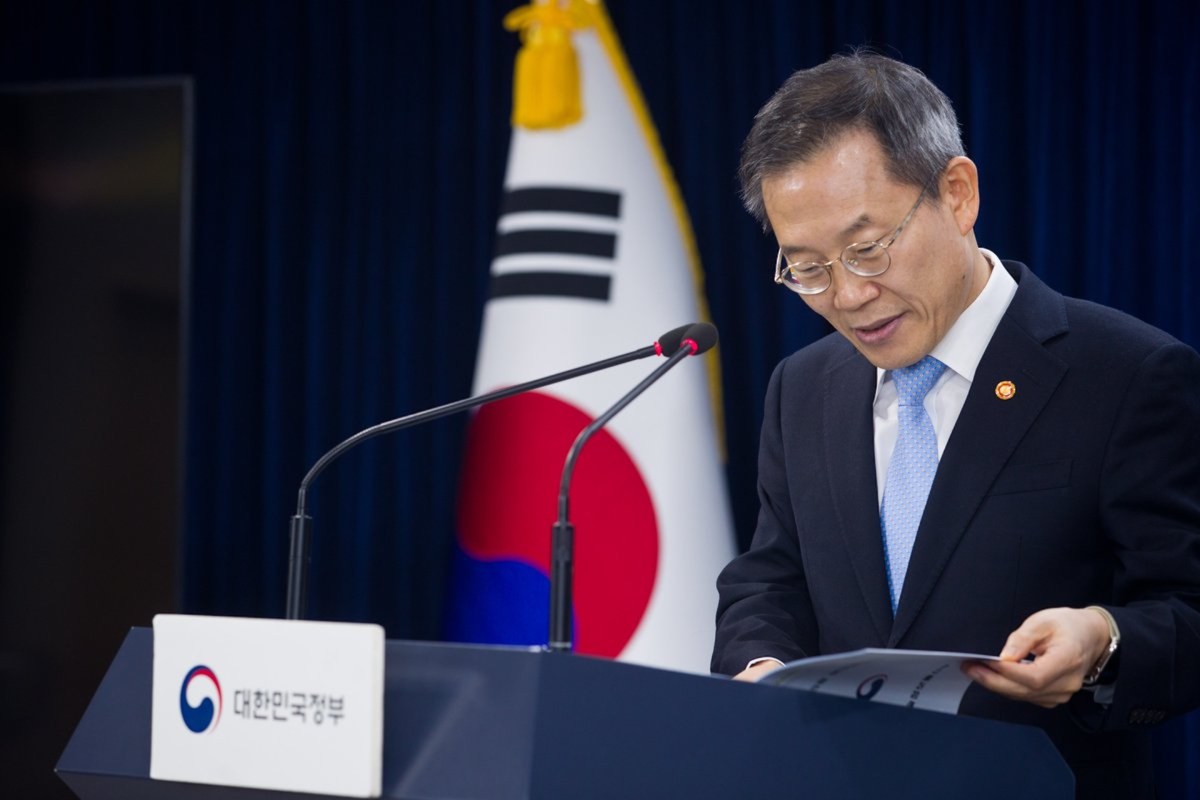
Officials in South Korea have passed a suite of laws to regulate the country's burgeoning AI industry, potentially setting global benchmarks for how the sector will be governed going forward.
According to Reuters, the South Korean government unveiled what it says is the first comprehensive set of laws governing AI and its use.
These new regulations require full human oversight of AI use across high-impact fields, including nuclear safety, drinking water production, transport, health care, and financial areas such as credit evaluation and loan applications. AI companies must also give users notice about the use of high-impact or generative AI in products and provide clear labeling when LLM-generated output is difficult to distinguish from reality, such as in viral videos or photos.
The laws include a one-year grace period to give companies time to comply before fines and penalties are levied.
This move comes at a time when debate over AI, its regulation, and use is at an all-time high. While LLMs have their uses, generative AI systems like ChatGPT, Sora, and Grok have been fraught with controversy, producing mistaken results, pictures with glaring issues, or, in the case of Grok, non-consensual sexual images of women and minors.
ChatGPT has come under fire as well, with growing reports of "AI psychosis," in which the chatbot feeds into the delusions of the mentally unwell, and its creators, OpenAI, have been sued by a family alleging the program encouraged their son's violent delusions and led to his death.
On top of that, data centers that fuel AI consume massive amounts of energy and water, driving up energy prices and creating water scarcity in many parts of the world.
South Korea's new laws will go into effect sooner than the European Union's AI regulations, which won't fully take effect until 2027. The laws have some teeth as well; failure to label AI-generated content will cost 30 million won ($20,400), and other penalties are stiffer.
The AI industry has pushed back against the new laws, claiming that they hinder growth and disproportionately punish startups, but President Lee Jae Myung said a balance could be found.
"It is essential to maximise the industry's potential through institutional support, while pre-emptively managing anticipated side effects," Lee said during a meeting with aides, per Reuters.
TCD Picks » Upway Spotlight
💡Upway makes it easy to find discounts of up to 60% on premium e-bike brands



South Korea hopes its new regulations will help set a global benchmark for controlling AI while also allowing the industry to continue to grow.
|
What's the most you'd pay per month to put solar panels on your roof if there was no down payment?
Click your choice to see results and speak your mind. |
 $200 or more 💰
Get TCD's free newsletters for easy tips to save more, waste less, and make smarter choices — and earn up to $5,000 toward clean upgrades in TCD's exclusive Rewards Club.
Cool Picks





