


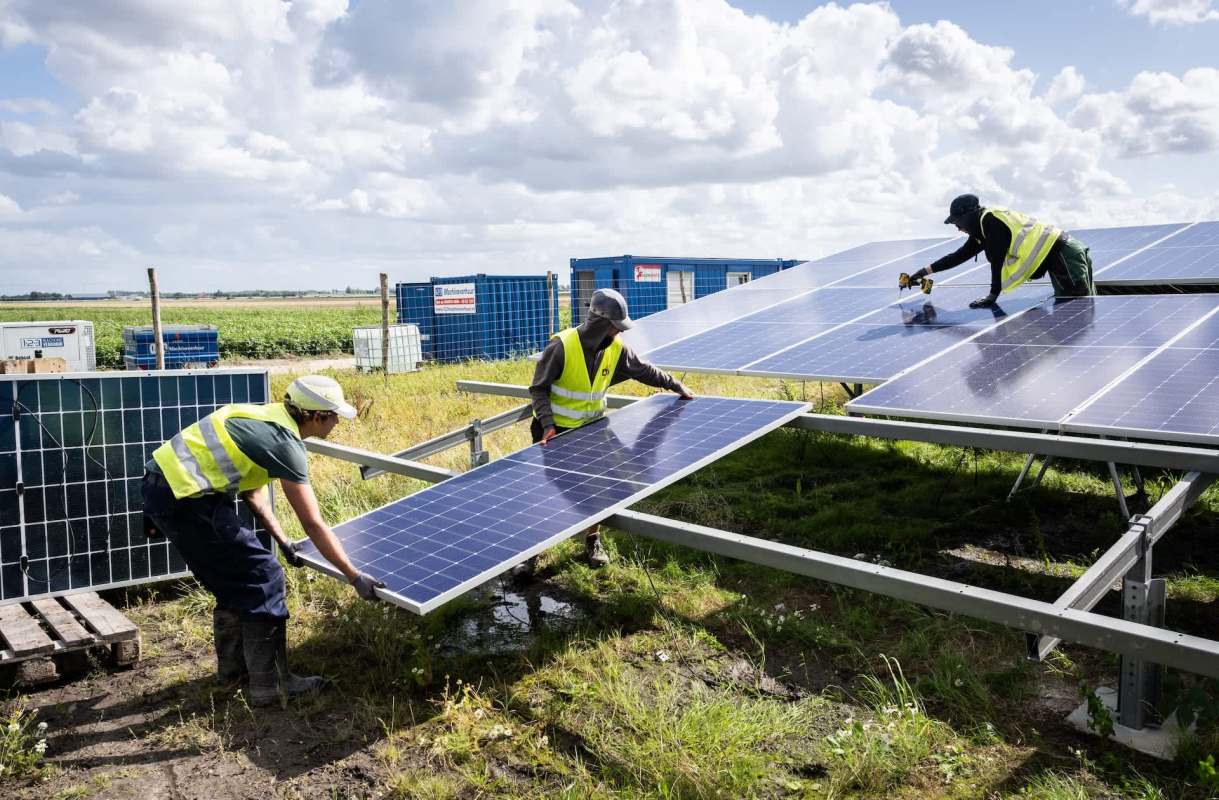
Solar panels don't release toxic substances into soil or groundwater, experts interviewed by The Baltimore Sun said.
According to the report, "misconceptions on the industry continue to surge," particularly around the impact arrays have after being deployed. The Sun reported that 1,757 acres of former farmland in the state are now solar farms. Many are larger ones built to support the grid. Since most systems last at least 30 years, few installations have experienced a full lifespan.
"It's not like they have a bunch of metals just sort of free floating — it's not like a thermometer that's full of mercury," University of Maryland associate professor Mitchell Pavao-Zuckerman said. He teaches about urban ecosystems and sustainably built environments.
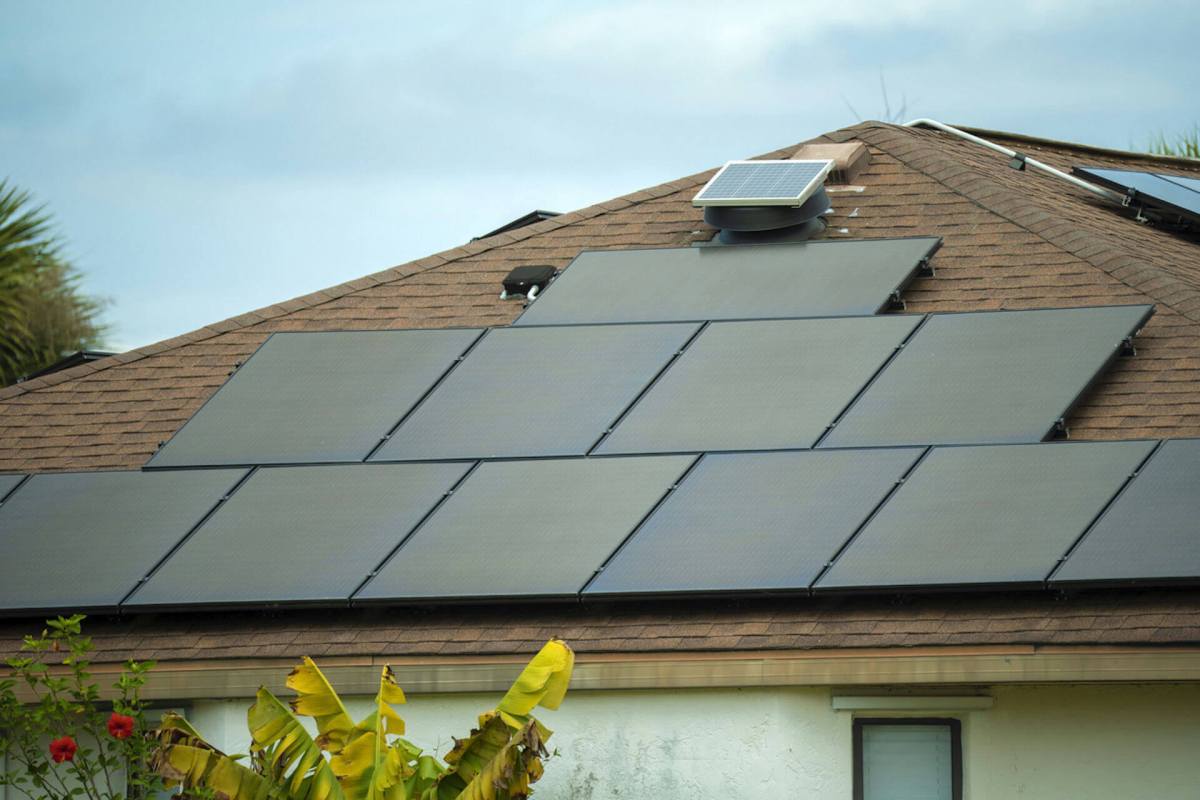
The larger farms are accompanied by smaller community solar projects that allow electricity customers to essentially lease the use of panels, saving on average around $150 annually, depending on their utility bills. Household setups are also a part of the mix.
In fact, solar is one of the best energy-saving hacks for homeowners, with the potential to reduce or eliminate power bills. EnergySage has a trusted tool that can help you secure incentives while they last, compare quotes, and find the best installer.
Maryland and other states that are forging forward with cleaner energy goals are facing a federal headwind empowered by recent legislation, which will end solar tax incentives for commercial and residential projects years early. The 30% household rebate sunsets at the end of the year, according to NPR.
Regardless, Maryland's goal is to shift 50% of its power generation to renewables by 2030, and converting farmland from crops to solar production is a key part of the plan, according to The Sun. UMD researcher Elizabeth Thilmany told the newspaper that growth is noticeable compared to when a few projects would "trickle in" a decade ago.
"Now we're seeing at least 15 or 20 for the year," she said.
Save $10,000 on solar panels without even sharing your phone number Want to go solar but not sure who to trust? EnergySage has your back with free and transparent quotes from fully vetted providers that can help you save as much as $10k on installation. To get started, just answer a few questions about your home — no phone number required. Within a day or two, EnergySage will email you the best local options for your needs, and their expert advisers can help you compare quotes and pick a winner. |

The cleaner grid-level efforts are an answer to growing data center power demand. Solar panels produce electricity without heat-trapping air pollution, nixing a burden that can even impact agriculture. The Environmental Protection Agency reported that the overheating planet is increasing the chance for heavy rainfall, which can wash away soil nutrients. Shifting growing seasons and even farm laborer health in intense heat are other yield-influencing factors the EPA noted.
Maryland's team also cited details worth further study. Localized heat generation around panels, and their influence on rainfall movement on the surrounding ground, should be analyzed to determine if the soil will be impaired for future farming, per The Sun.
|
If you don't have solar panels on your home, which of these factors is the biggest barrier to installing them? Click your choice to see results and speak your mind. |
 Upfront costs 💰
 Interesting combinations, such as agrivoltaics, can help to cool the area with native plants that are also a boon to pollinators. Urban Grid is combining a solar farm with bee hives in Virginia as part of a unique project that marries solar power and honey production.
At home, you can use EnergySage, which also has a handy mapping tool that allows customers to compare system costs by state as well as regional incentives. It's another way to ensure you snag all the perks to get the best price.
More From EnergySage
💡Go deep on the latest news and trends shaping the residential solar landscape





Join our free newsletter for good news and useful tips, and don't miss this cool list of easy ways to help yourself while helping the planet.
Cool Picks



