


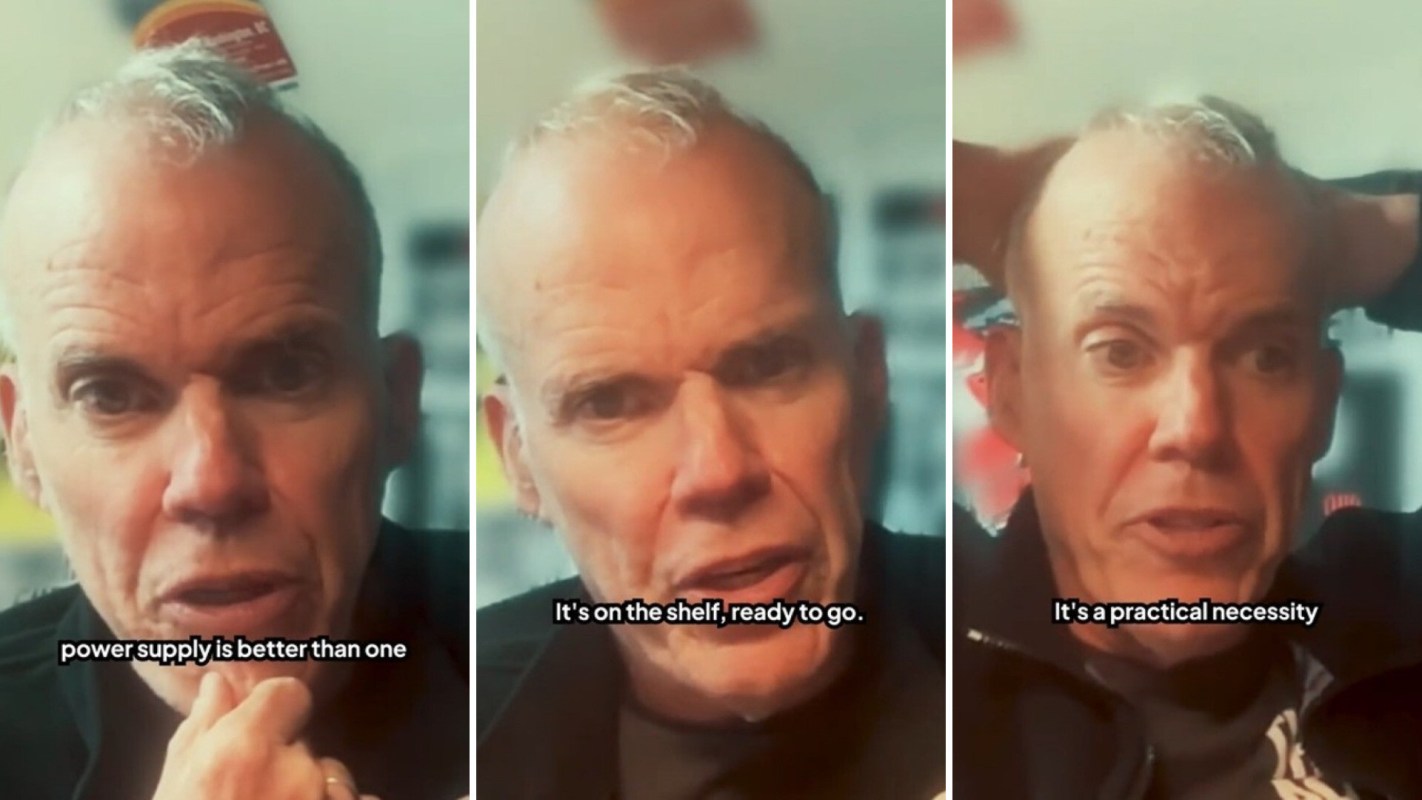
The man who literally wrote the book on climate change for the masses is now highlighting how solar panels are appealing to homeowners in ways beyond sustainability.
Bill McKibben famously published The End of Nature in 1989 to bring the climate crisis out of the shadows and educate the general public. Now he is doing the same with solar energy through his new book, Here Comes The Sun.
In an interview with EnergySage, McKibben explained that solar energy systems meet people where it matters most — their wallet.
@energysage Solar isn't just for environmentalists anymore ☀️ And that's coming from Bill McKibben, the activist who literally wrote the first mainstream book on climate change. In this episode of Plugged In: The Full Conversation, host Kristina Zagame sits down with Bill who founded @350.org ♬ original sound - EnergySage
"This is no longer the Whole Foods of energy. … This is now the Costco of energy," he explained. "This is energy that's cheaper than the expensive electricity you have to buy from the utility, and it's more reliable."
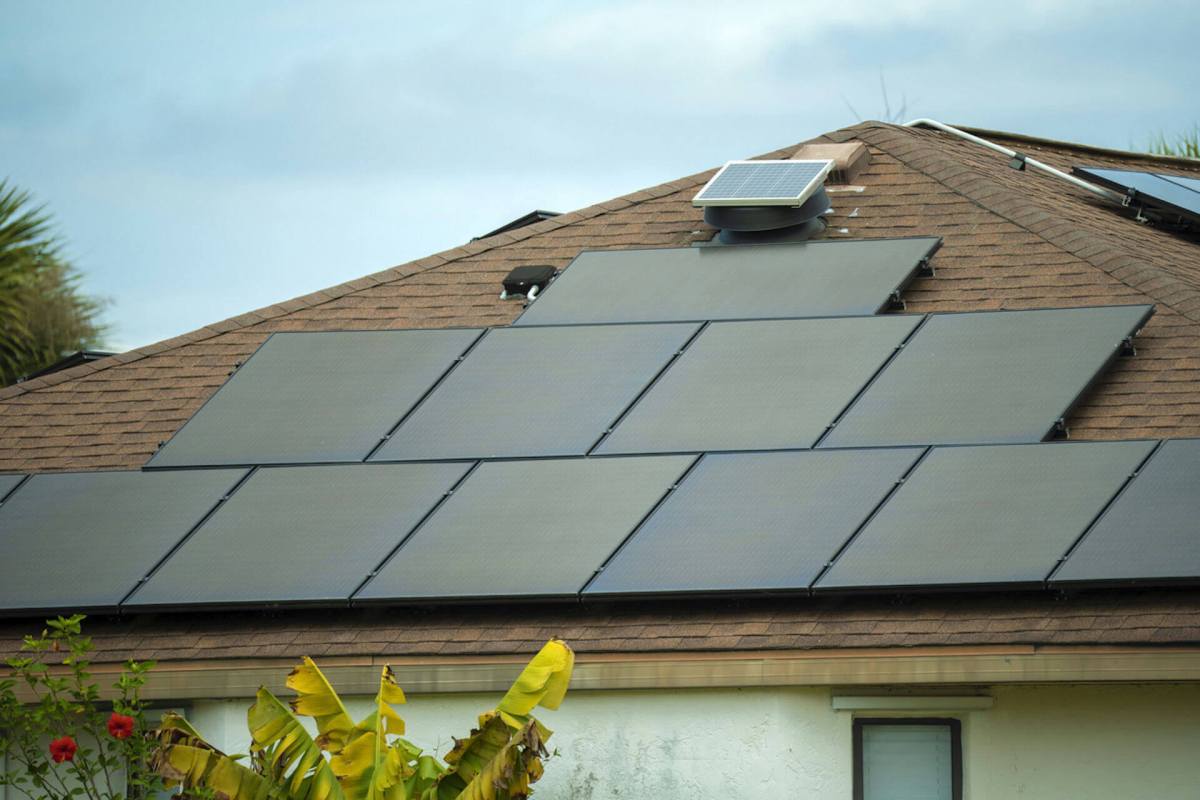
While solar panels often get a bad rap for high upfront costs, adding them to a home can yield cost savings almost immediately.
By relying on solar energy, homeowners can lower their electricity costs to essentially zero. EnergySage can help you get started with quick and easy quotes for domestic solar installation.
The company's mapping tool can show homeowners the average cost of solar panels in their area and outline any incentives offered by local and state governments to maximize savings.
With EnergySage, the average person can save up to $10,000 on solar purchases and installations.
Save $10,000 on solar panels without even sharing your phone number Want to go solar but not sure who to trust? EnergySage has your back with free and transparent quotes from fully vetted providers that can help you save as much as $10k on installation. To get started, just answer a few questions about your home — no phone number required. Within a day or two, EnergySage will email you the best local options for your needs, and their expert advisers can help you compare quotes and pick a winner. |

McKibben noted that a shift to solar is a "practical necessity" that gives people more control over their home.
"Their home is their castle, and a castle with an independent energy supply is better than a utility," he said.
|
What's the biggest thing stopping you from going solar? Click your choice to see results and speak your mind. |
 The cost 💵
 That independence comes through generating your own energy rather than relying on the local grid, avoiding volatile utility prices and keeping bills a lot more stable.
Meanwhile, as extreme weather events become longer and more severe due to rising global temperatures, grid outages are increasingly likely. With solar panels connected to battery storage, you can keep the lights on even if the power in the neighborhood is out.
More From EnergySage
💡Go deep on the latest news and trends shaping the residential solar landscape



Get TCD's free newsletters for easy tips to save more, waste less, and make smarter choices — and earn up to $5,000 toward clean upgrades in TCD's exclusive Rewards Club.
Cool Picks






