


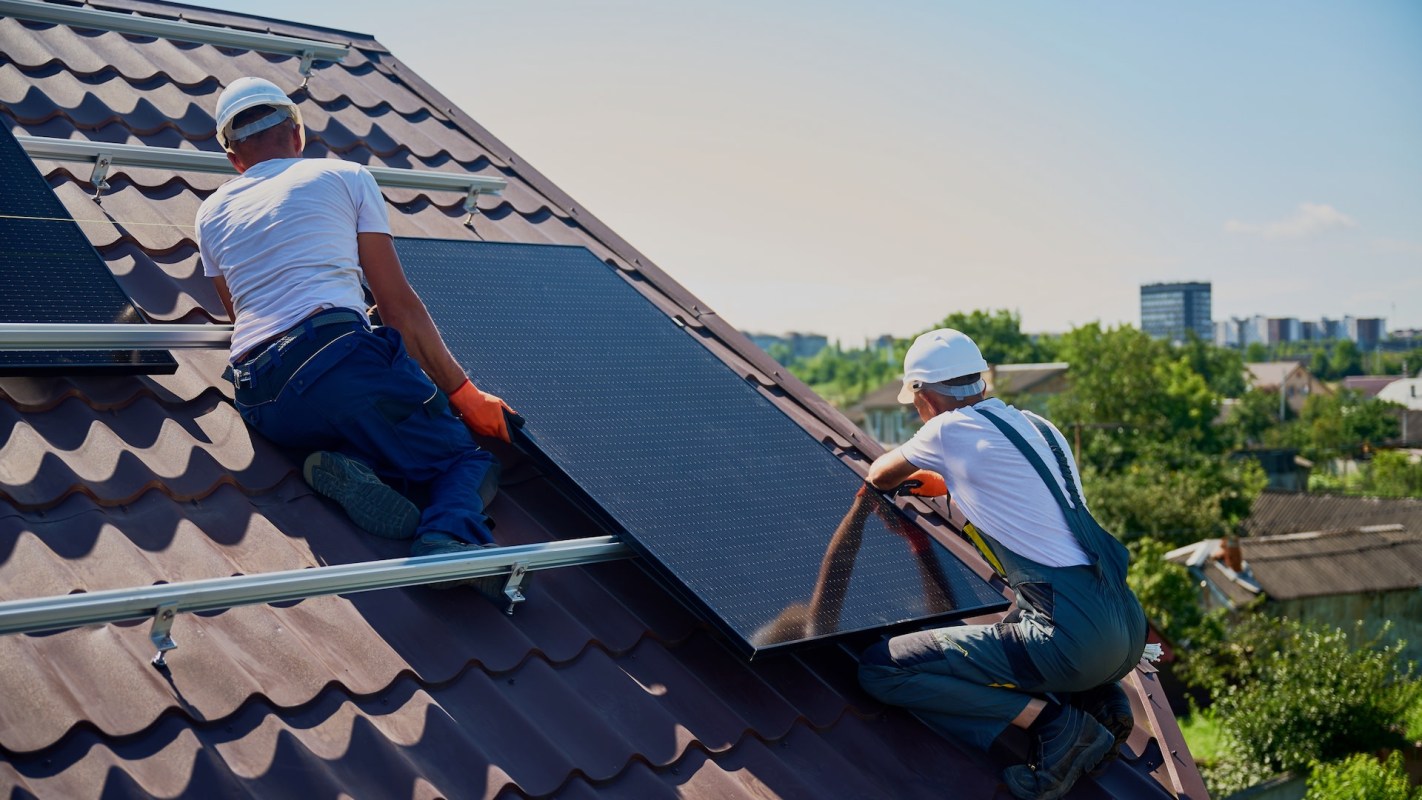
Energy-savvy homeowners exploring solar panel leases likely have a checklist of questions to answer before signing a contract.
A big one: "What happens … when the contract is up?" according to solar energy experts for Palmetto, a North Carolina solar leasing company.
There are several options for renters. And, importantly, the company will remove the panels at the end of the agreement free of charge, if the customer chooses.
What is solar leasing?
Leasing through a program such as Palmetto's LightReach provides a way for homeowners to lower their utility bills with cleaner solar power without paying large upfront costs to buy an array. The company retains ownership of the panels and is responsible for maintenance. The homeowner pays a set monthly fee and uses all the electricity generated, according to Palmetto.
Since solar panel life expectancies are greater than 20 years, the decision about what to do after the agreement is a long-term consideration.
Why is the lease's conclusion important?
Understanding your options at the beginning of the process is key. If you plan on selling your home soon, for example, leasing might not be a good idea.
But for many, it's an affordable way to tap cheaper, cleaner energy, with options to extend the benefits decades later.
If the homeowner wants the panels removed, the company will have them taken down soon after the lease expires. But since many panels still have up to 90% efficiency even decades later, it often makes sense for the homeowner to extend the lease for a few years at a discounted rate that accounts for the tech's age, according to Palmetto.
Get $1,000 cash to slash your bills with rooftop solar panels for $0 down and low monthly payments Whatever your solar budget, Palmetto can help you save. If you want to buy your own panels, Palmetto's advisors can help you save up to $10,000 on installation through a network of preferred installers. And if you'd rather get solar savings without upfront costs, Palmetto's revolutionary LightReach subscription program can deliver — including an exclusive $1,000 cashback offer for TCD readers. LightReach lets you lease solar panels with no money down, making it painless to lock in long-term savings of up to 33% off your current power bill. Palmetto covers a 25-year warranty for the panels, which means you'll get reliable performance without unforeseen costs. To get started, just book a short meeting with Palmetto's experts to explore your options and find the solution that's right for you. |

Buying out the lease is also an option that Palmetto offers after the fifth year.
"It might be an attractive option if you want to buy solar panels, but need a few years to save up the money," the experts wrote.
|
What is the biggest reason you don't grow food at home? Click your choice to see results and speak your mind. |
 Not enough time ⏳
 After the buyout, the customer is responsible for maintenance and eventual removal. But the system can greatly increase property values while installed.
Other options, such as early termination and lease transfers, could include fees or the assumption of maintenance and removal costs. It's best to have a firm understanding about your options, according to Palmetto's team.
"Even though the end of your solar lease may be decades from today, it is always best to know what options you will have at the conclusion of your contract before you sign an agreement," the experts wrote.
How is leasing helping customers?
EnergySage, a free online tool that can help you navigate the process of buying panels, reported that an array can cost up to $30,000 before incentives. Leasing lets in the sunshine for people who don't have the money for a down payment.
Tax breaks worth up to 30% of the installation expire on Dec. 31, removing some cost-lowering perks that more than 1.2 million families have tapped, per government data. Fast action with EnergySage can help you secure the rebates while they last, compare quotes, and find a timely installer, which all could save you up to $10,000 when buying a system.
Regardless of what route you take, solar energy is important as we shift to cleaner tech that limits fossil fuel burning and related heat-trapping air pollution. The fumes from those dirty fuels are linked by NASA to increased risks for life-threatening severe storms.

Join our free newsletter for good news and useful tips, and don't miss this cool list of easy ways to help yourself while helping the planet.
Cool Picks



