


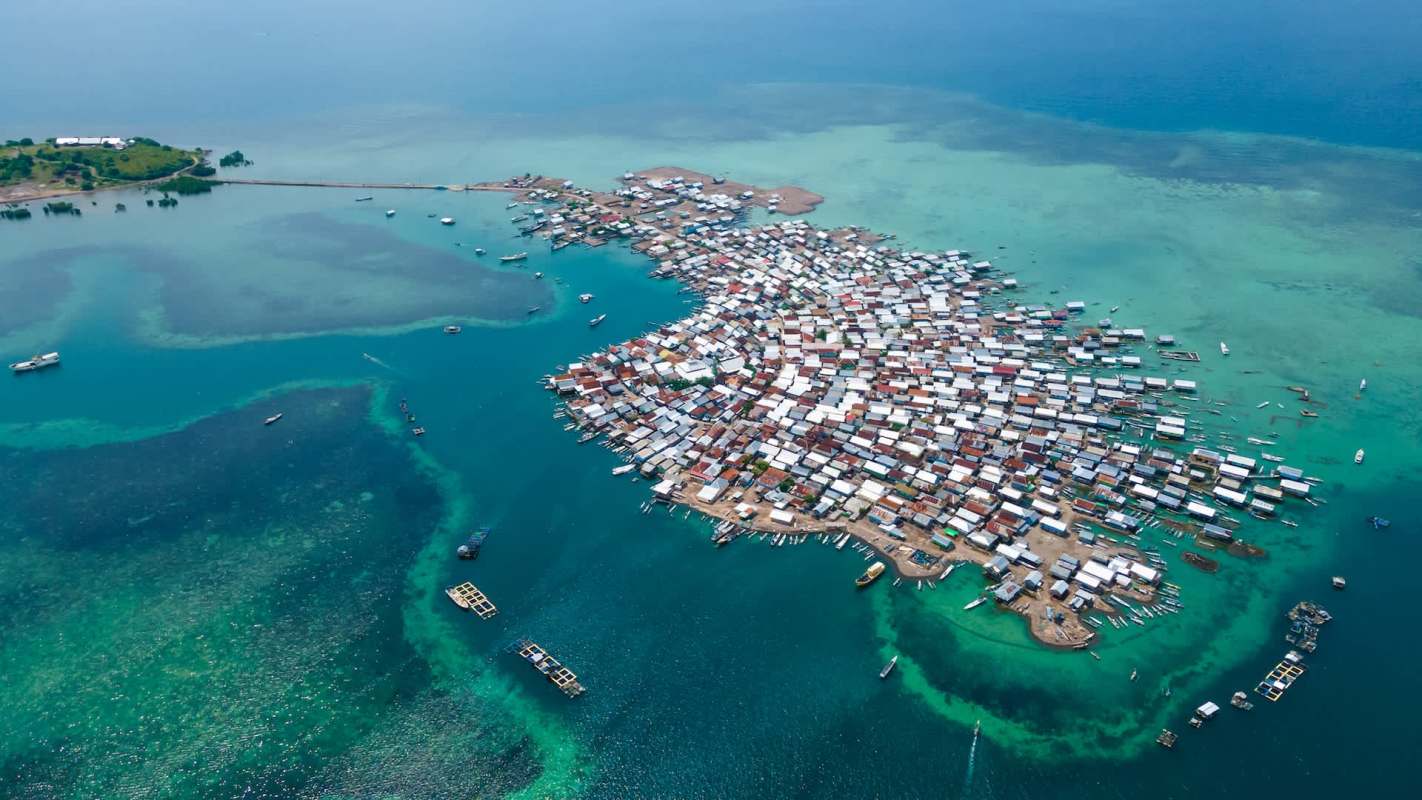
The 39 nations known as Small Island Developing States (SIDS) are facing a severe financial crisis. They need $12 billion a year to adapt to climate impacts, but a new report from the Global Center on Adaptation shows they are receiving only a fraction of that.
What is a Small Island Developing State?
Think of SIDS as "large ocean states." According to the United Nations, the network comprises 39 islands, home to approximately 65 million people. It has exclusive control over an ocean area that is, on average, 28 times larger than its actual landmass. Their entire economies, from tourism to fisheries, often depend on the ocean. This reliance, along with their remote locations, makes them especially vulnerable to the consequences of a warming planet.
Why are SIDS important?
Here's the core of the problem: SIDS are responsible for less than 1% of the world's heat-trapping pollution, yet they are getting hit first and hardest by its effects.
This isn't a future problem. It's happening right now. One report shows how low-lying atoll islands are losing their very ability to build themselves up against rising seas as coral reefs decline. Another study found that parts of Hawaiʻi are sinking, drastically speeding up local flood risk and cutting disaster preparedness timelines in half.
At the launch of a new report by the Global Center on Adaptation (GCA), H.E. Hilda Heine, President of the Republic of the Marshall Islands, laid out the stakes. "We face rising seas, threats to food and water security, and we are running out of time. Adaptation remains our most urgent priority. It is our first line of defence. Today, I am therefore honored to join you to launch the new GCA State and Trends in Adaptation Report on Small Island Developing States. Its findings are sobering."
She explained that the money SIDS need is "modest" compared to the staggering cost of doing nothing, but the existing financial system wasn't built for them. Barriers like long processes and strict rules are locking them out of the very support they need.
Perk up the winter blues with natural, hemp-derived gummies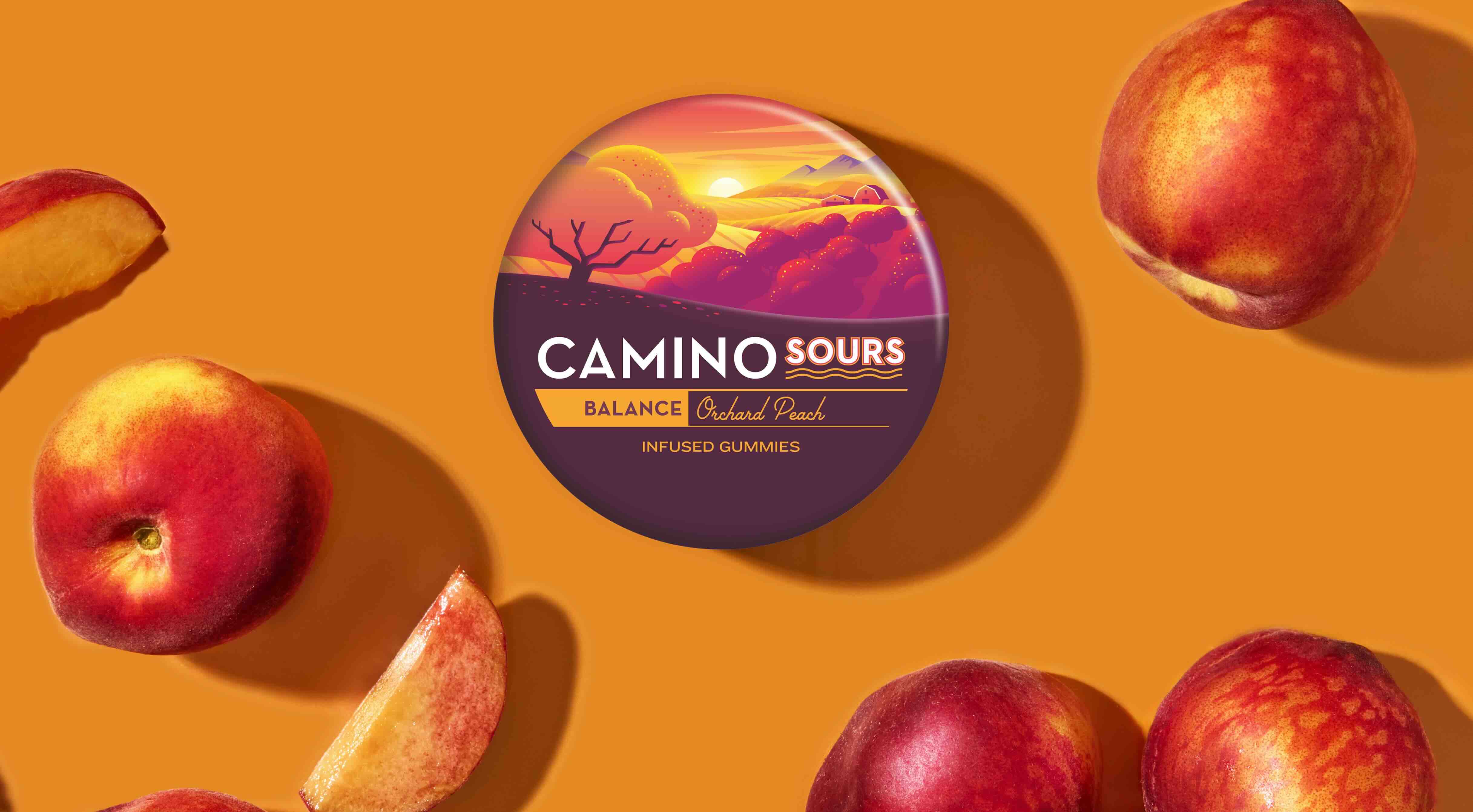 Camino's hemp-derived gummies naturally support balance and recovery without disrupting your routine, so you can enjoy reliable, consistent dosing without guesswork or habit-forming ingredients. Flavors like sparkling pear for social events and tropical-burst for recovery deliver a sophisticated, elevated taste experience — and orchard peach for balance offers everyday support for managing stress while staying clear-headed and elevated.
Learn more → |
What's the cost of inaction?
The numbers are staggering. The GCA report found SIDS need $12 billion every year to protect themselves. Currently, they receive just over $2 billion, which is only 0.2% of global climate finance. If action isn't accelerated, SIDS could face cumulative damages of $476 billion by 2050.
To make matters worse, 44% of the adaptation funding they do get arrives as debt, piling onto already strained economies.
The report stresses this isn't just about aid; it's a smart investment. "Adaptation is the best value proposition in climate action today," said Professor Patrick V. Verkooijen, CEO of the GCA. The report notes that every dollar invested in resilience can yield up to $6.50 in avoided damages. Getting informed about these critical issues is the first step, because protecting these islands helps protect us all.
|
Should the ultra-wealthy pay a tax to help offset their environmental impact?
Click your choice to see results and speak your mind. |
 Absolutely 💯
💰Join TCD's exclusive Rewards Club to earn up to $5,000 toward clean upgrades that will help you slash your bills and future-proof your home.
TCD Picks » Upway Spotlight
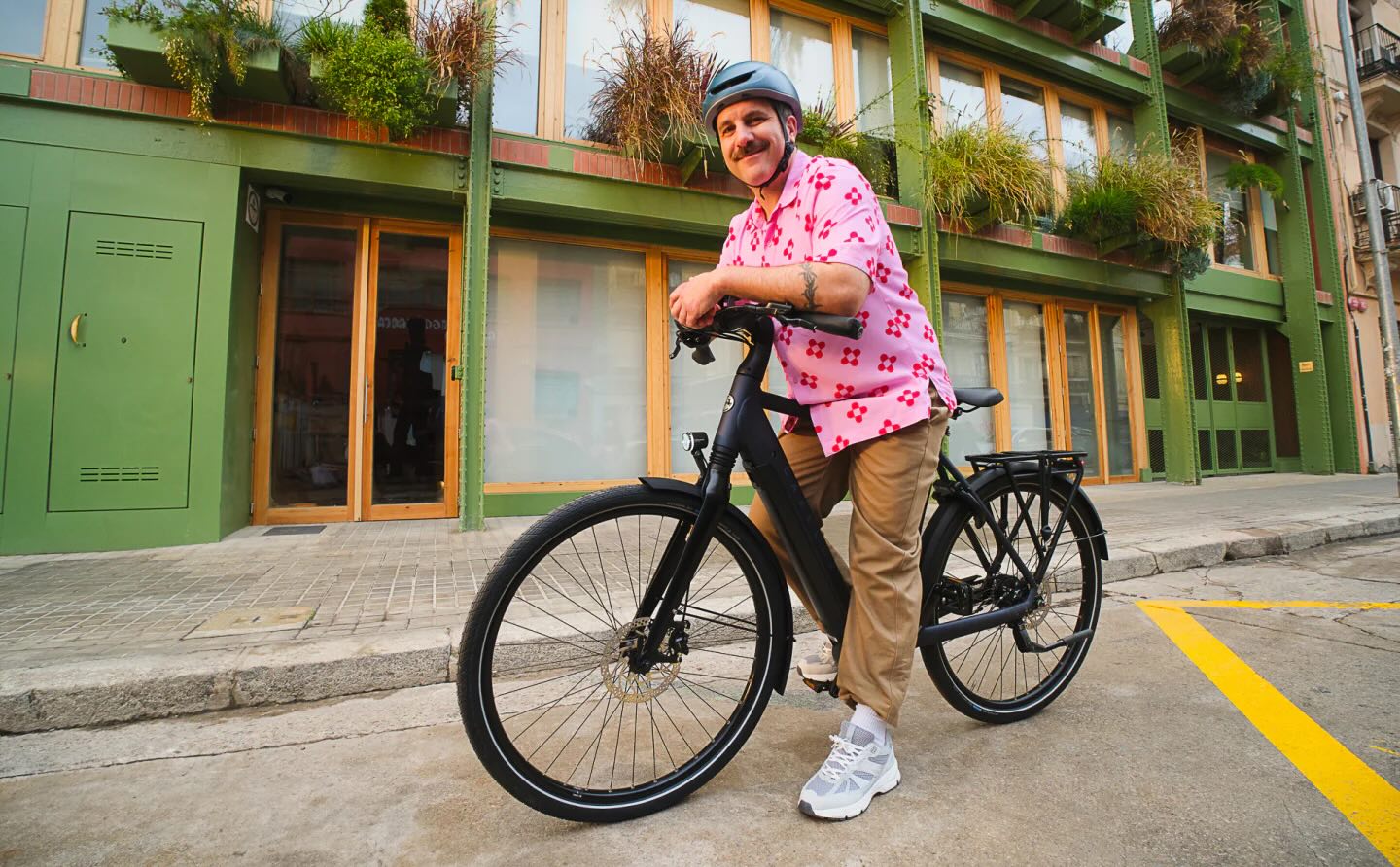
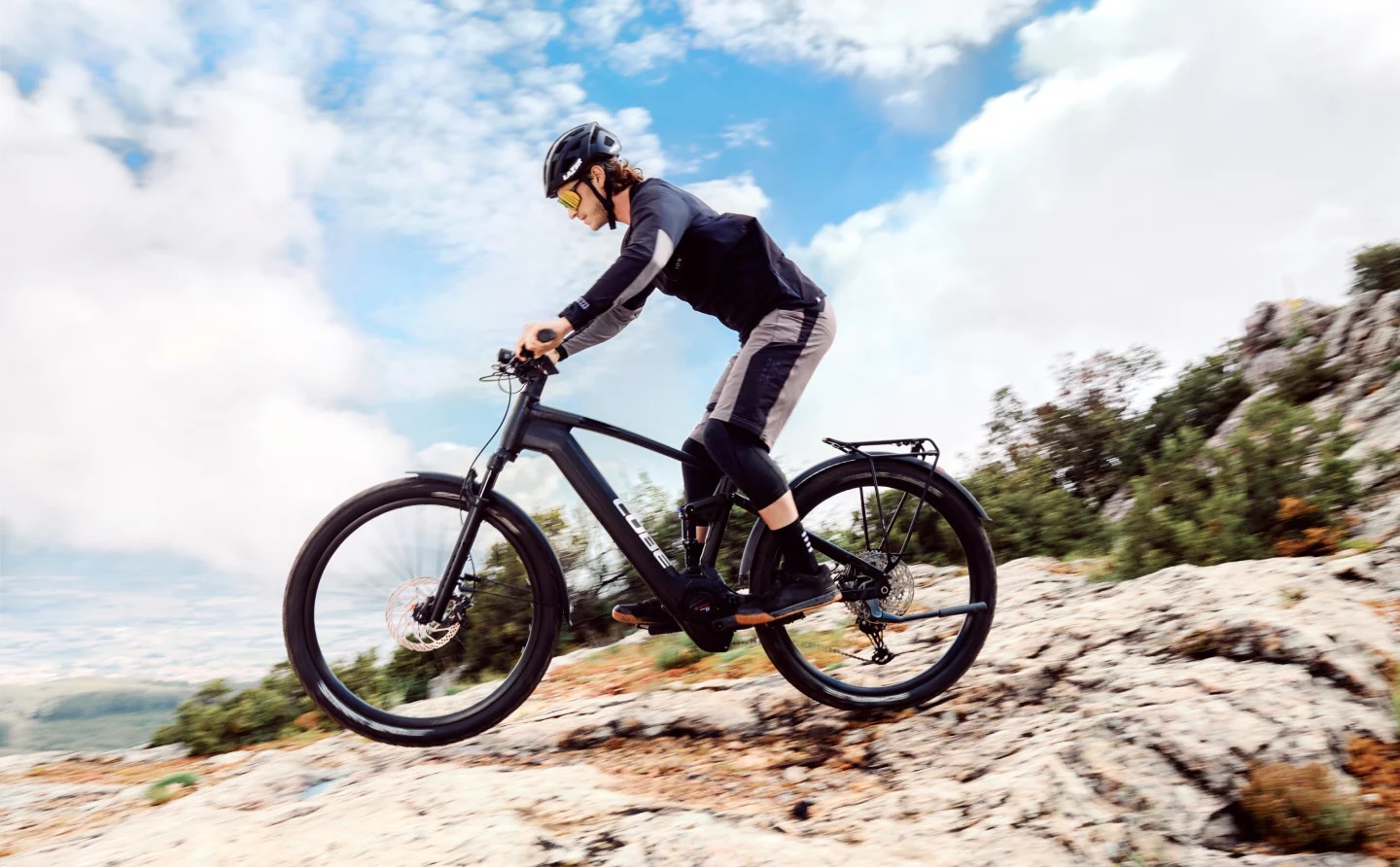
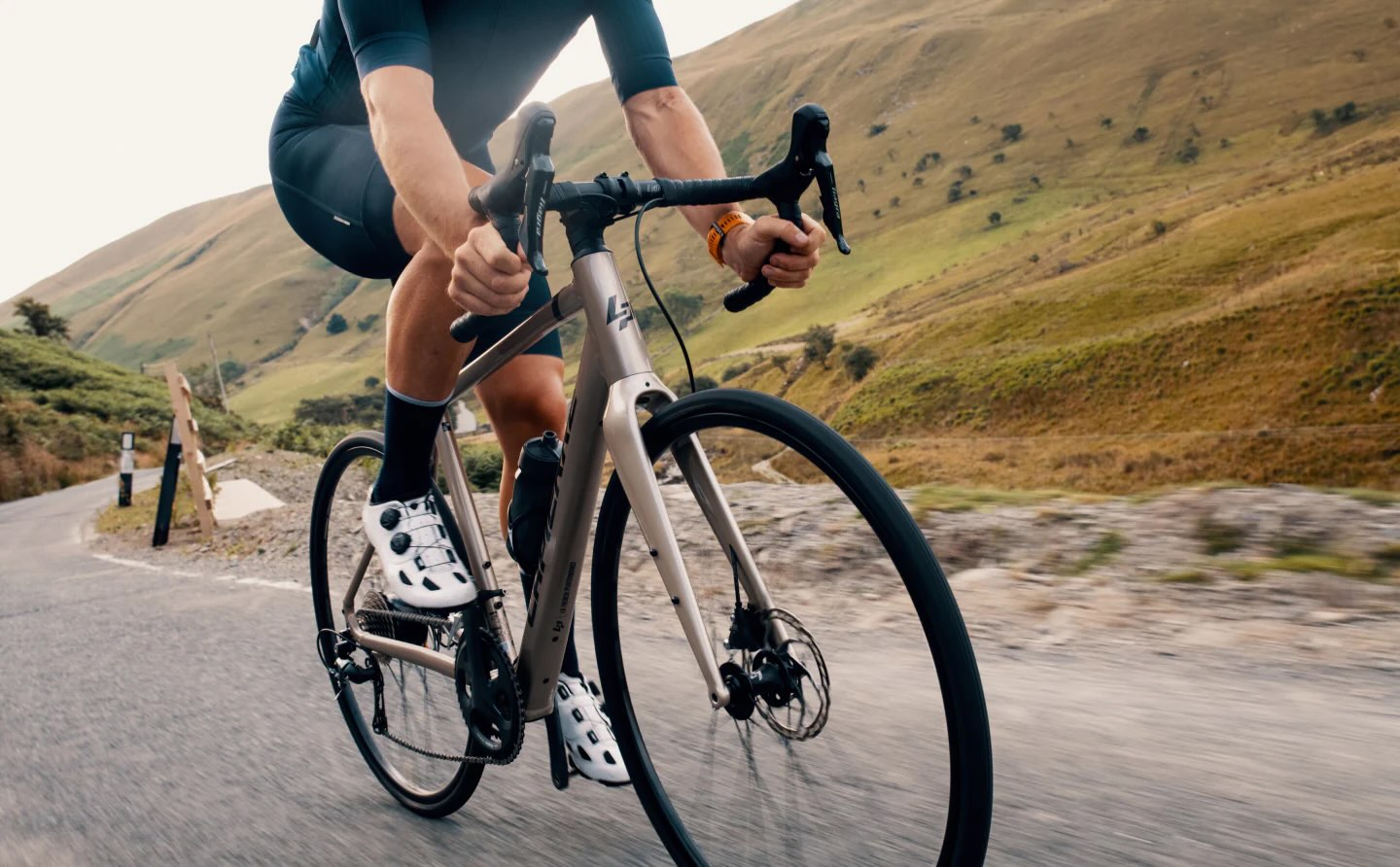
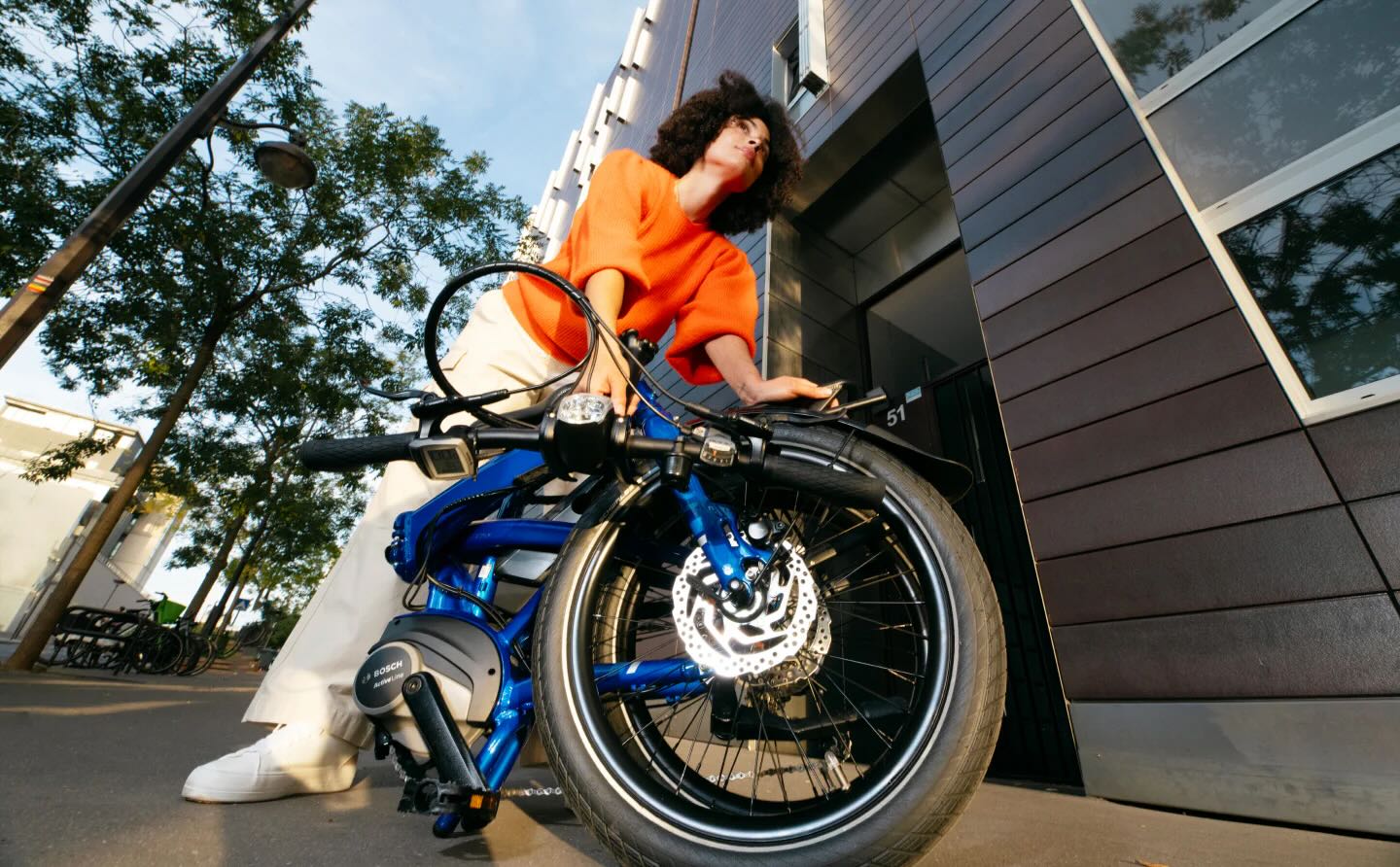
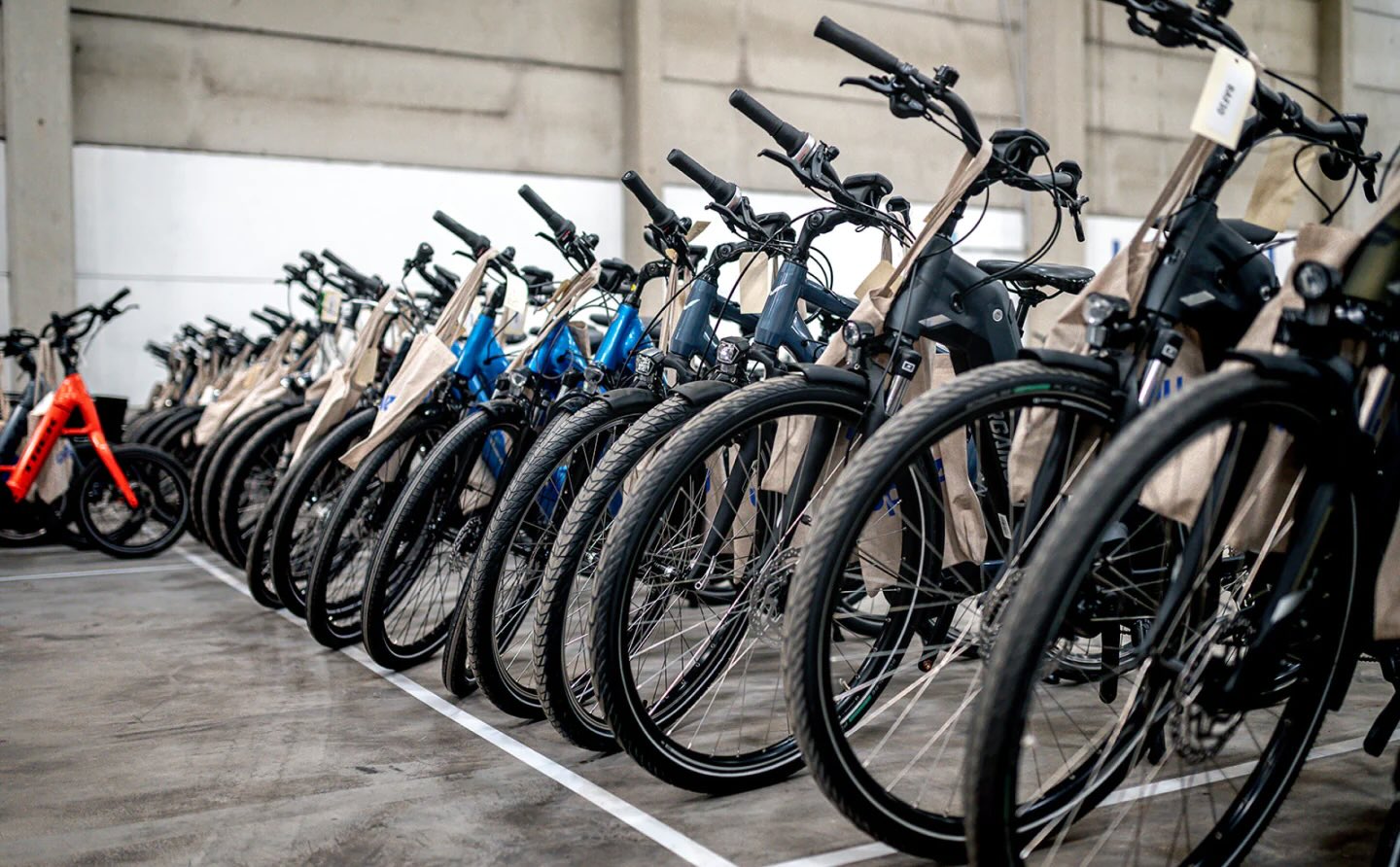
💡Upway makes it easy to find discounts of up to 60% on premium e-bike brands
Cool Picks





