


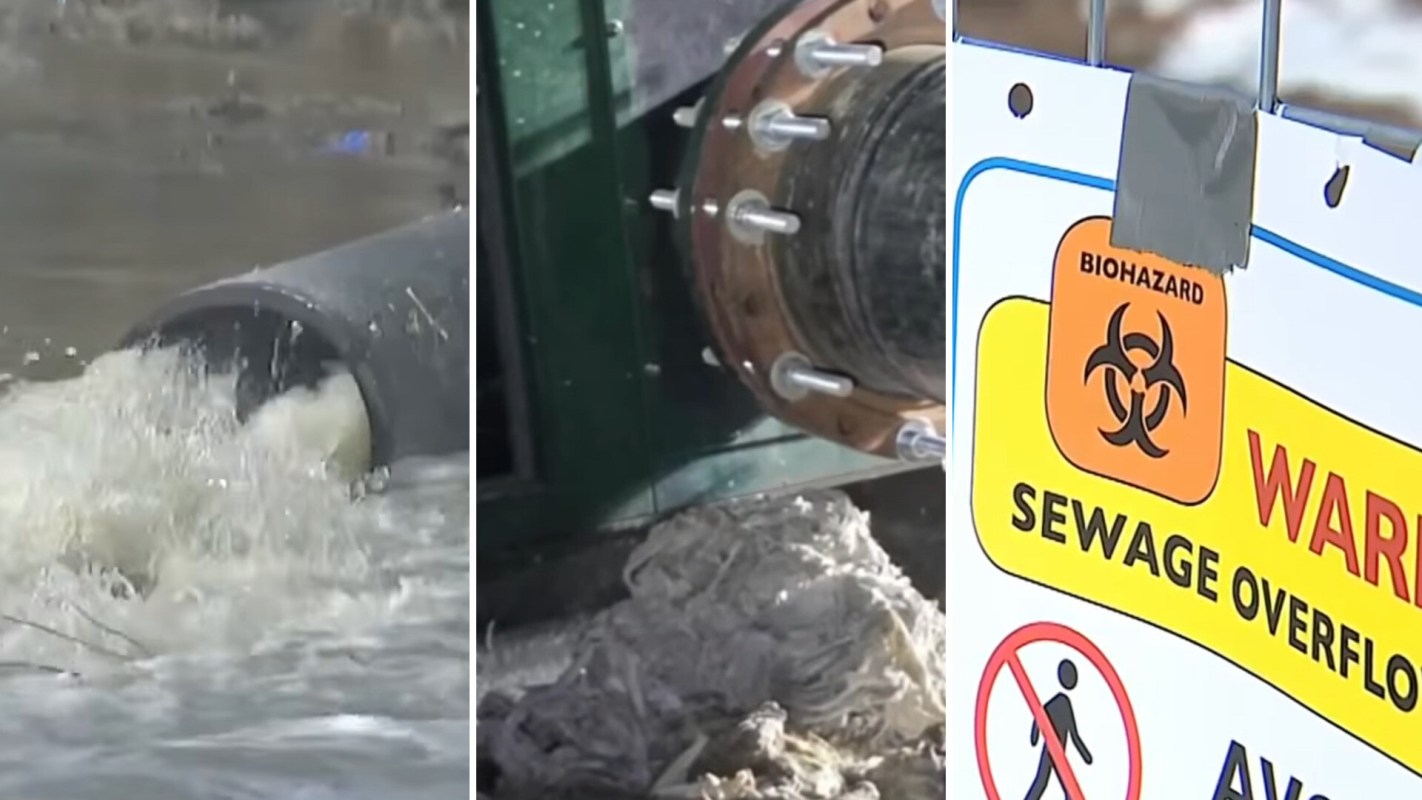
A common household waste item has caused massive municipal infrastructure damage and environmental fallout, according to NBC Washington.
What's happening?
Non-disposable wipes have clogged drainage systems in Washington, D.C., causing raw sewage to spill into the Potomac River. Pumps have been diverting sewage into a canal system while workers were fixing a broken pipe, which had caused a spill a few weeks ago. That sewage would eventually end up in processing again.
However, non-disposable wipes flushed by residents clogged the pumps doing the diverting, causing sewage to flow over into nearby waterways yet again.
"Sunday night, about 600,000 gallons of raw sewage was pumped back into the Potomac River," said NBC reporter Mark Segraves from the scene. "The stench down here is so revolting."
To make matters worse, human error in recent testing showed E. coli levels a hundred times lower than what they actually were.
Why are sewage spills important?
Besides the awful smell wafting up to nearby roadways and the human health hazard presented by raw sewage, spills like this are ecological disasters. The added nutrients in the water incite a feeding frenzy for algae. This creates a bloom that absorbs large amounts of oxygen in the water and effectively strangles other life in a process called eutrophication.
Washington isn't alone in grappling with this issue. England is also having problems bringing sewer contamination down in waterways, for example.
What's being done about sewage in the Potomac?
The pumps are working again and are ensuring more sewage doesn't end up in the Potomac. Authorities anticipate weeks of work before the issue is solved.
"DC Water is closely monitoring the weather forecast, including anticipated rainfall and rising temperatures that may accelerate snowmelt and increase flows," said DC Water's John Lisle. "Contingency measures, including the deployment of additional pumps, are being implemented in advance of the weather to manage changing conditions."
Wherever you live, you can do your part by using less plastic, including that found in non-disposable wipes. A bidet is a fine alternative that further reduces waste material going down the pipe.
TCD Picks » Upway Spotlight
💡Upway makes it easy to find discounts of up to 60% on premium e-bike brands





|
What's the most you'd pay per month to put solar panels on your roof if there was no down payment?
Click your choice to see results and speak your mind. |
 $200 or more 💰
Get TCD's free newsletters for easy tips to save more, waste less, and make smarter choices — and earn up to $5,000 toward clean upgrades in TCD's exclusive Rewards Club.
Cool Picks





