


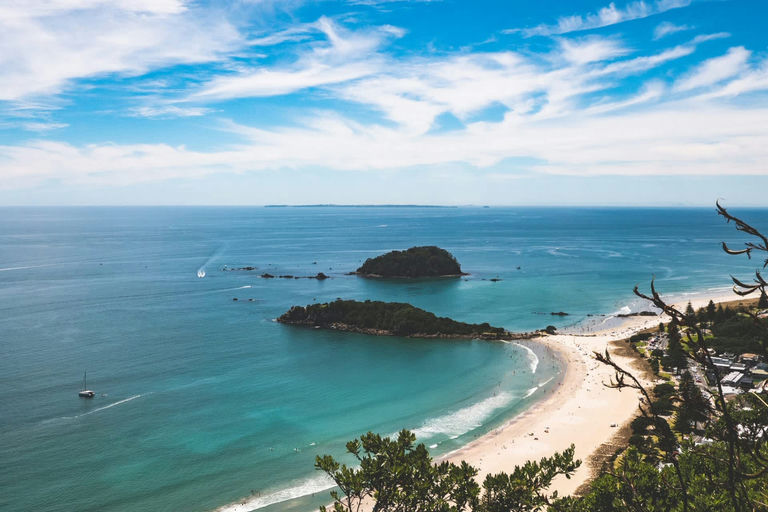
After a disastrous oil spill in New Zealand in 2011, officials aren't taking any chances when it comes to preventing a similar accident, The Bay of Plenty Times reported.
When it emerged that large ships were once again using a risky shortcut near Tauranga, northern New Zealand — the site of the country's worst maritime spill — the local harbourmaster moved fast to shut it down, the paper reported.
In May, Bay of Plenty Regional Harbourmaster Jon Jon Peters formally banned ships over 500 gross tons – a nautical term referring to volume, not weight — using a narrow gap of sea between Mōtītī Island and Ōtaiti, which is also known as Astrolabe Reef.
That is where the container ship Rena ran aground in 2011, spilling oil and cargo into the ocean and causing significant and lasting environmental damage in the local area.
Oil spills cause widespread harm to marine life, local fishing industries, and coastal communities. When it enters the ocean, oil can coat birds, fish, and mammals, making it difficult for them to move.
The long-term impact on water quality and local ecosystems can last for years. Even after removal, residues from fuel spills can sink into sand and the seabed, continuing the release of toxic substances for years.
"When I heard that ships were again navigating between Astrolabe Reef and Mōtītī Island, I was genuinely shocked," local documentary maker Anton Steel told The Bay of Plenty Times.
He added: "The idea that large vessels would consider that same stretch of ocean as a shortcut is not just irresponsible — it's disrespectful to the collective memory of this community."
Tauranga is home to the busiest port in the country, with more than 1,400 vessels arriving last year alone.
Peters' ban creates an exclusion zone around the area, still allowing smaller boats through the area but keeping out large vessels, which are hard to maneuver in tight spaces.
TCD Picks » Quince Spotlight
💡These best-sellers from Quince deliver affordable, sustainable luxury for all




|
Do you think your city has good air quality? Click your choice to see results and speak your mind. |
 Definitely 🥰
 This puts them "at risk of collision or potentially running aground" when they travel through the area, Peters told The Bay of Plenty Times.
The move is seen as a critical step in protecting both the coastline and the community's recovery.
Bay of Plenty Regional councillor Stuart Crosby added: "I — and I'm sure that most in our community — would want all possible actions to take place to prevent any other incident like the Rena grounding ever occurring again."

Join our free newsletter for good news and useful tips, and don't miss this cool list of easy ways to help yourself while helping the planet.
Cool Picks





