


A skin care enthusiast revealed their surefire hack for getting the most out of their purchases while also calling on cult-favorite beauty brand La Roche-Posay to reimagine its packaging.
What's happening?
A Reddit user highlighted a common frustration with beauty packaging in r/Anticonsumption — namely, that pumps often fail to help consumers use all of the product they paid for.
"I hate pumps because no matter how much you windmill the bottle, they waste so much product and are rarely recyclable (to say nothing of the realities of plastic recycling)," the original poster wrote, sharing a photo of a lotion bottle they cut in half to show how much product remains after the pump stopped working.

"More than enough lotion retrieved for 3oz bottle after pump dried up," the OP said, adding that they used kitchen shears to effectively cut into the bottle. "I love a tub. Scrub a dub dub."
"I've been doing the same!" another Redditor responded, revealing that they, too, use kitchen shears to make the cut. "Figured the shears would be safer [than a knife]."
A second Redditor simply vented about La Roche-Posay's packaging, saying: "The pumps on the La Roche Posay bottles are the WORST. About halfway down they just quit working."
Why is this important?
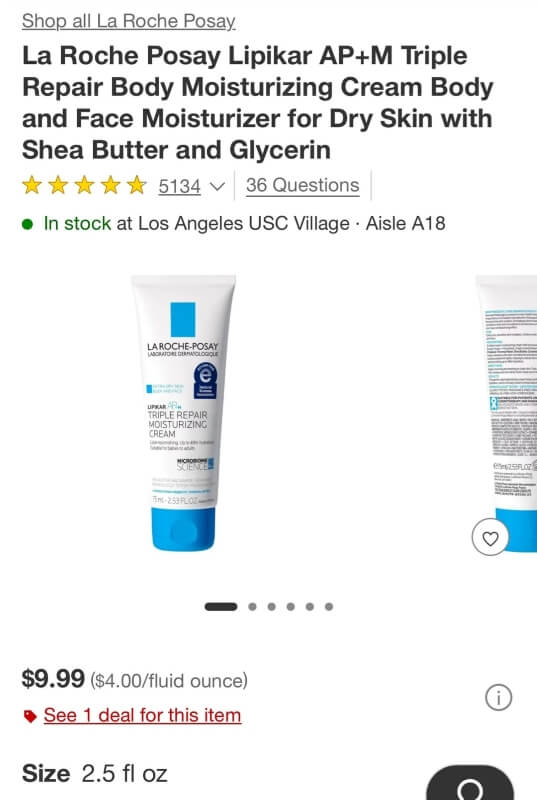
With La Roche-Posay's Lipikar AP+M Triple Repair Moisturizing Cream retailing for around $4 per fluid ounce, the OP's hack to retrieve an additional $12 worth of lotion could help consumers save significant cash over time. However, as the OP pointed out, that does nothing to alleviate their concerns about the environmental impact of the plastic packaging decision.
The nonprofit Greenpeace puts plastic recycling rates in the U.S. as low as 5%, calling the practice a "dead-end street" when it comes to meaningfully addressing plastic pollution.
As it stands, the world is also using more plastic than ever before, generating around 440 million tons of plastic waste each year, according to the U.N. Environment Programme. As this waste sits in landfills or in our communities as litter, it also introduces toxins — including carcinogenic chemicals and endocrine disruptors — into our environment.
Is La Roche-Posay doing anything about plastic waste?
On its website, La Roche-Posay (owned by L'Oréal) says that it redesigned the tube for its Lipikar AP+M Triple Repair Moisturizing Cream, slashing plastic usage by 60% with a paper tube and "significantly smaller cap."
TCD Picks » Quince Spotlight
💡These best-sellers from Quince deliver affordable, sustainable luxury for all




|
Which eco-friendly initiative would make you most likely to buy products from a clean beauty brand?
Click your choice to see results and speak your mind. |
 Using less plastic packaging 🗑️
 Last year, it also launched refill pouches containing 73% less plastic. More broadly, all L'Oréal brands intend to reduce heat-trapping emissions by 50% per product compared to 2016 by 2030.
La Roche-Posay's aim to use 100% recycled plastic in packaging by 2030 may be part of supporting these company goals, as more than 99% of plastics are derived from dirty fuels. Research has found that recycled plastic production causes less pollution than virgin plastic.
What else can be done about plastic waste from beauty products?
Even though curbside recycling programs don't typically accept plastic pumps and other beauty empties like tubes and caps, retailers such as Ulta and Sephora have partnered with Pact Collective to provide consumers with drop-off bins for these difficult-to-recycle items — even if they didn't purchase their beauty products at one of these stores to begin with.
You can also reduce your beauty-related plastic consumption by shopping at zero-waste stores and choosing plastic alternatives for everyday items (like razors) when possible.

Join our free newsletter for good news and useful tips, and don't miss this cool list of easy ways to help yourself while helping the planet.
Cool Picks





