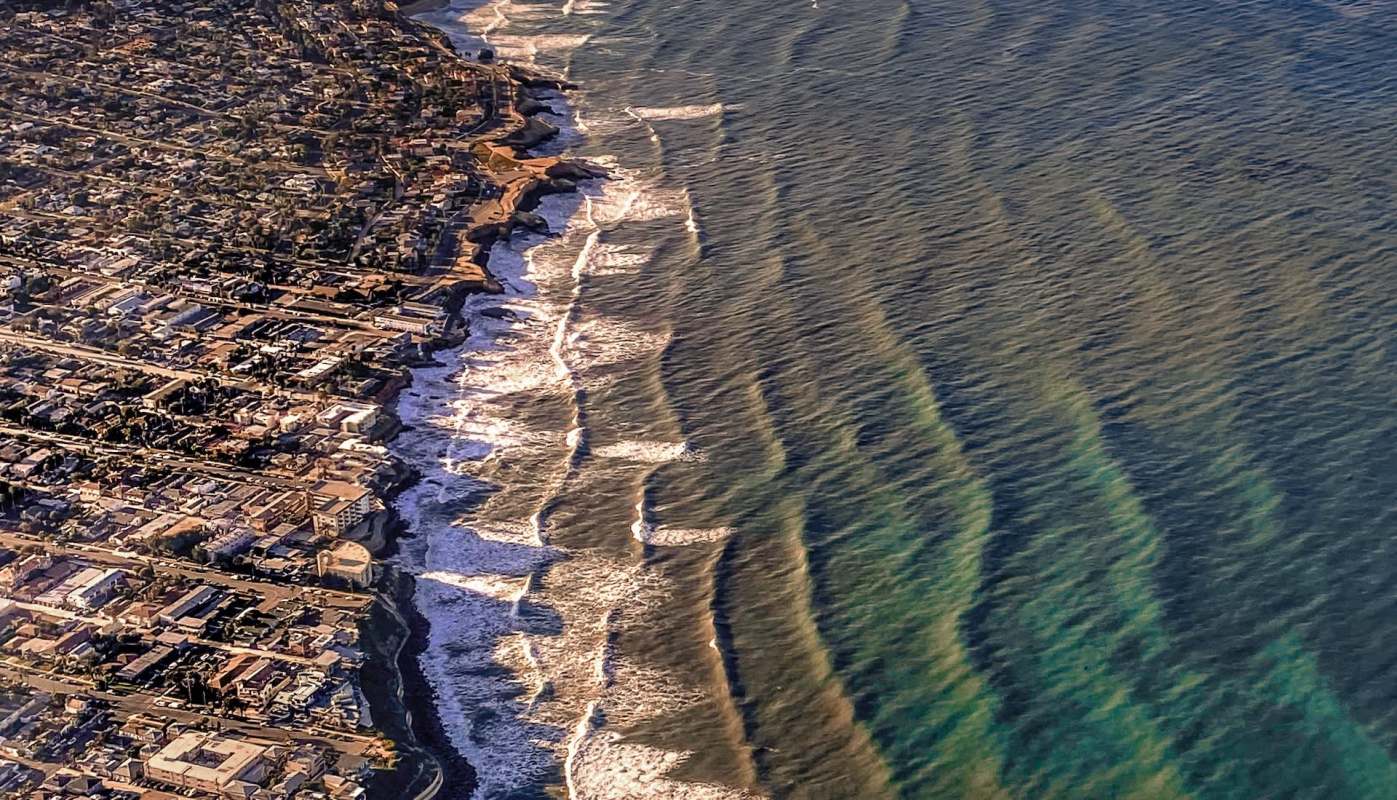
As intense climate disasters happen more frequently, some analysts believe infrastructure in coastal cities should be reassessed to reduce the costly damage left behind, The Conversation reported.
What's happening?
Rising sea levels and intense storms are threatening coastal infrastructure and leaving catastrophic economic impacts on communities. Analysts said predicting failure points in infrastructure could help evaluate risks.
Earlier this year, Hurricane Melissa caused about $50 billion in damage in the Caribbean. Research from Imperial College London's Grantham Institute showed that Hurricane Melissa was about four times more likely to make landfall due to climate change.
Factors such as maritime trade, access to natural resources, and tourism are responsible for dense coastal populations, per The Conversation. About 40% of the global population lives near the water. Without necessary changes, damages from coastal flooding could be 150 times worse by 2080, according to the European Geosciences Union.
Why is protecting coastal cities important?
Per the National Oceanic and Atmospheric Administration, the global average sea level increased by 8-9 inches since 1880. However, sea level rise along many locations on the United States coastline is actually greater than the global average due to erosion and other factors.
Studies showed that flooding is rapidly increasing due to sea level rise — and human activities are likely to blame. Burning coal, oil, or gas creates pollution that warms the Earth. The warmer temperatures lead to melting ice sheets, which raise water levels and cause other extreme weather, per NOAA.
Perk up the winter blues with natural, hemp-derived gummies Camino's hemp-derived gummies naturally support balance and recovery without disrupting your routine, so you can enjoy reliable, consistent dosing without guesswork or habit-forming ingredients. Flavors like sparkling pear for social events and tropical-burst for recovery deliver a sophisticated, elevated taste experience — and orchard peach for balance offers everyday support for managing stress while staying clear-headed and elevated.
Learn more → |

Projected sea levels are expected to exceed critical thresholds in regions like the Pacific Islands by the end of the century, according to the U.S. Climate Resilience Toolkit. Public infrastructure and residential homes are at risk of significant damage.
Rising waters will impact livelihoods too. Research showed that higher sea levels will decrease land area available for farming, which means fewer opportunities for agricultural activity, per the U.S. Climate Resilience Toolkit.
What's being done about protecting coastal cities?
Scientists are using new technology to better understand how coastal cities will be impacted by rising sea levels and coastal erosion. Researchers from the University of California, Santa Cruz teamed up with an artificial intelligence company to determine ways to mitigate destruction.
The U.S. Environmental Protection Agency said green infrastructure can help protect coastal regions from sea level rise. Creating a living shoreline with plants and other natural barriers can reduce erosion and other damage.
TCD Picks » Upway Spotlight
💡Upway makes it easy to find discounts of up to 60% on premium e-bike brands



Meanwhile, coastal residents can figure out ways to protect their homes by staying up to date on critical climate issues. Learning about the impact of rising sea levels will help you make informed decisions to keep your family safe.
|
How worried are you about rising ocean levels? Click your choice to see results and speak your mind. |
 Very 😰
Get TCD's free newsletters for easy tips to save more, waste less, and make smarter choices — and earn up to $5,000 toward clean upgrades in TCD's exclusive Rewards Club.
Cool Picks