


Customs officials in Malta are being credited with stopping a potentially dangerous shipment after a routine container inspection revealed unexpected — and alarming — traces of radiation. The discovery, now circulating widely online, highlights the growing challenge of keeping radioactive materials out of consumer supply chains.
What's happening?
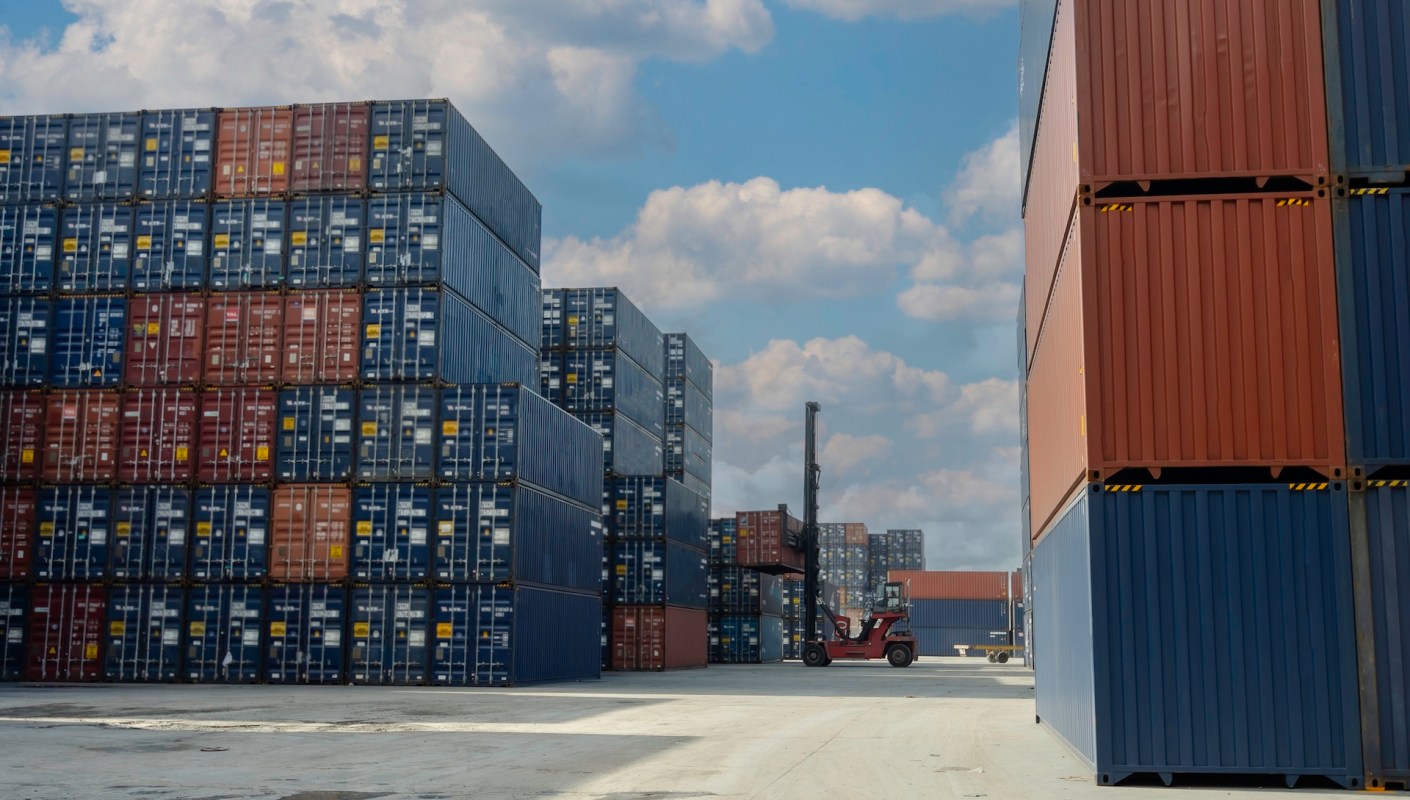
Authorities intercepted the shipment of clothing that tested positive for gamma radiation, according to the Times of Malta. The container, which held roughly 18,000 kilograms of garments destined for Algeria, triggered an alarm as it passed through a fixed radiation portal monitor.
When customs officers investigated, they confirmed that the garments were contaminated with radioactive material. The World Customs Organization stated that without this intervention, the clothing "could have entered the market, potentially exposing the public to radiation."
The seizure took place during Operation Stingray, the WCO's first global initiative targeting the trafficking of nuclear and radioactive materials. Nearly 90 customs agencies participated, leading to 51 seizures across 18 countries over three weeks.
In a separate case, Angolan authorities flagged a legal shipment of iridium-192, prompting Portuguese customs officers to discover the package had been misdeclared — underscoring how easily dangerous materials can slip through international systems.
Why is this discovery important?
Even small amounts of radioactive material can pose risks depending on their type as well as people's exposure time and proximity. Contaminated textiles, for example, could place wearers in close contact with harmful particles or gamma-emitting sources for long periods of time.
While these incidents are rare, they highlight a broader reality: As global supply chains grow, so does the possibility that hazardous materials will move undetected across borders. Radiation contamination can cause long-term health issues, from skin damage to an increased cancer risk, and managing such materials requires strict processes.
This moment also fits into the larger conversation about the role of nuclear technologies in the future of energy. Nuclear power can produce large quantities of low-carbon electricity and help stabilize grids. But it also carries significant drawbacks, including hazardous waste and complex disposal operations, high construction costs, and the potential misuse of nuclear materials.
These intercepted shipments serve as reminders that nuclear-related risks don't only apply to power plants — they can emerge anywhere security lapses occur.
What's being done about it?
Operation Stingray represents a step forward in global cooperation. The WCO emphasized that real-time cross-border communication was essential to detecting the misdeclared and contaminated shipments quickly.
TCD Picks » Quince Spotlight
💡These best-sellers from Quince deliver affordable, sustainable luxury for all




As more countries adopt radiation-monitoring technology and strengthen customs training, agencies hope to limit the movement of materials that fall outside regulatory control.
|
How would you feel about a nuclear power plant being built near your home? Click your choice to see results and speak your mind. |
 I'd be excited 😀
Get TCD's free newsletters for easy tips to save more, waste less, and make smarter choices — and earn up to $5,000 toward clean upgrades in TCD's exclusive Rewards Club.
Cool Picks





