


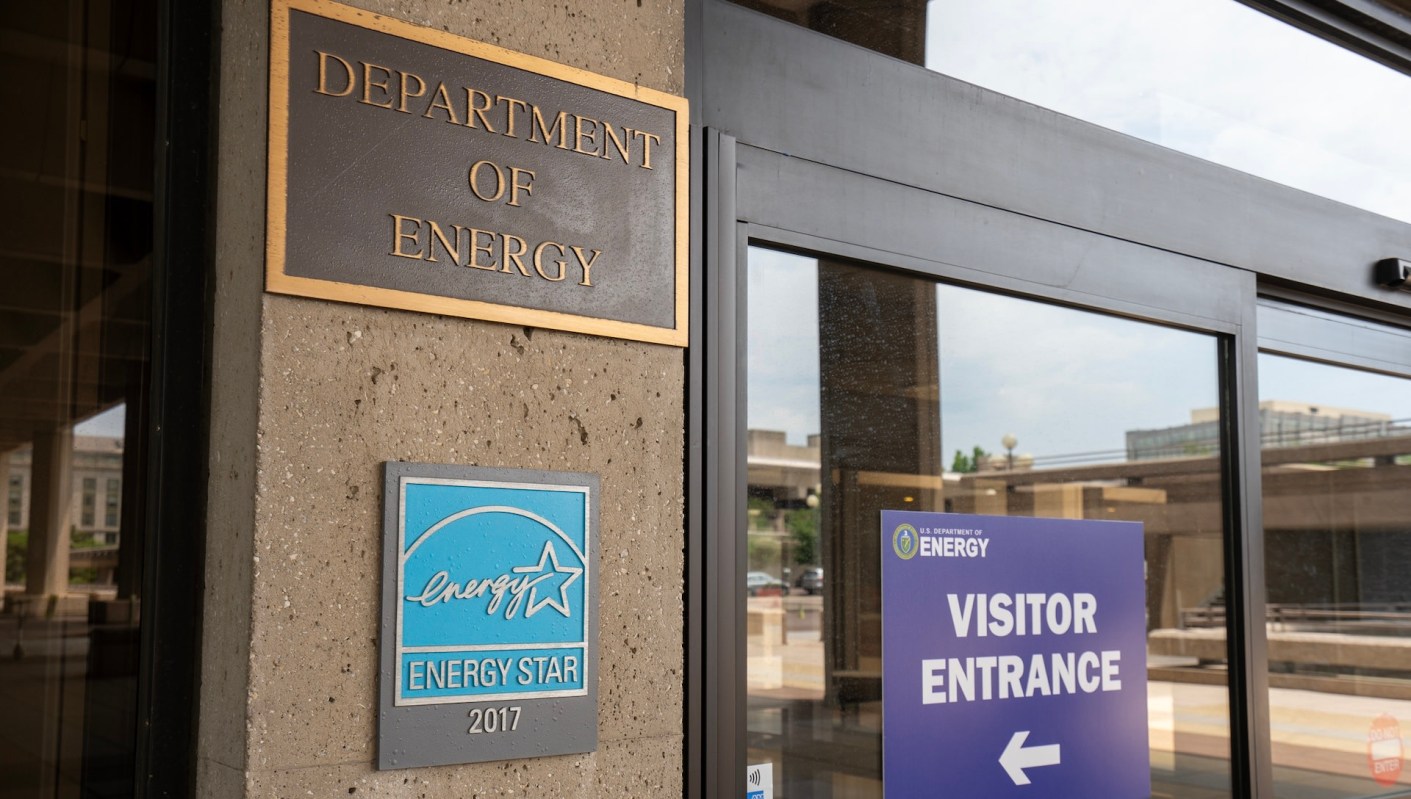
The U.S. Department of Energy has made a surprising announcement: It's bringing nuclear energy into the modern era.
Interesting Engineering reported that the DOE will conditionally provide high-assay low-enriched uranium, or HALEU, to three U.S. companies. HALEU is necessary to develop and run advanced nuclear reactors.
"The HALEU allocation program is a win for the economy, energy security, and the American people," said U.S. Secretary of Energy Chris Wright in a statement.
The DOE defines nuclear fission as the process of splitting the nucleus of an atom into two or more smaller particles. Nuclear power plants use the heat generated by this process to create electricity.
Nuclear fission doesn't pollute as much as coal does. It's cleaner in that it doesn't release polluting gases into the air. But it still creates radioactive waste that must be stored properly.
Indigenous peoples living in the U.S. are also speaking out about how nuclear energy has disproportionately affected them. According to Prism, Indigenous communities in the Southwest have been contaminated by uranium mining since the 1940s.
The White Mesa Mill in Utah was built on an ancestral site of the Ute Mountain Ute tribe in 1979. After uranium prices dropped, the mill started processing imported radioactive waste, which it stored on the land.
In addition to the cultural impact of this extraction, Indigenous communities are concerned about their drinking water. If radioactive waste gets into the local aquifer, residents won't have clean drinking water. They'll also be at higher risk for a whole host of health issues.
Finding better ways to store radioactive waste away from native lands will keep communities safer. One solution scientists are working on is using gamma rays to turn waste itself into energy. It could even be used to create rechargeable batteries.
For now, the DOE may distribute the HALEU it has conditionally committed to giving as early as the end of the year. It plans to allocate more HALEU to more companies in the future.
TCD Picks » Quince Spotlight
💡These best-sellers from Quince deliver affordable, sustainable luxury for all




To ensure that nuclear power is effective as we transition to cleaner energy, keeping an eye on this action is important. Staying updated on how the U.S. uses nuclear power is crucial to keeping our communities safer.
|
Would you feel safe living close to a nuclear power plant? Click your choice to see results and speak your mind. |
 Absolutely ✅
Join our free newsletter for good news and useful tips, and don't miss this cool list of easy ways to help yourself while helping the planet.
Cool Picks





