


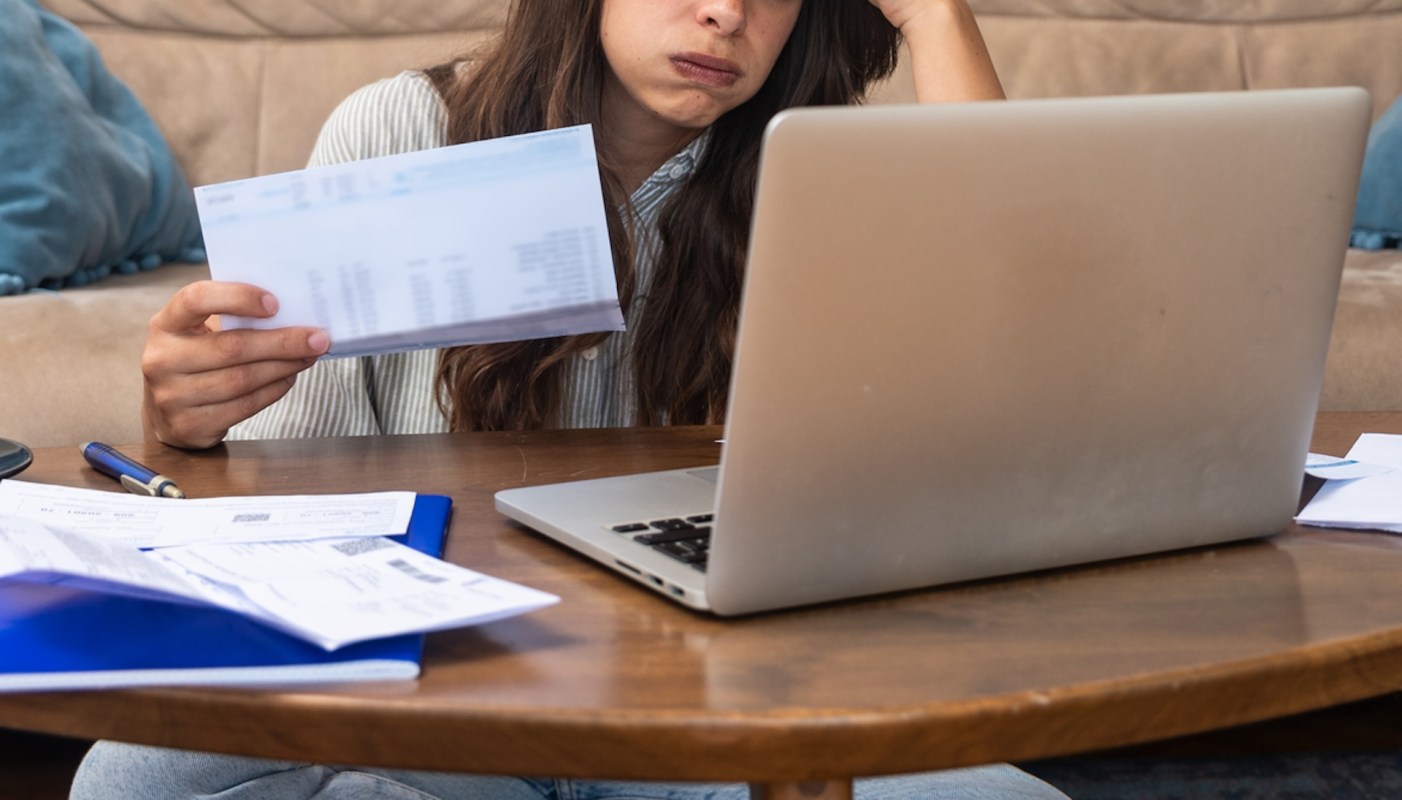
After watching her power bill surge throughout the winter, a renter in Pennsylvania said she became afraid to use her air conditioning once warmer weather arrived.
Morgan Steiner, a recent college graduate who lives near Pittston, saw an electric bill that had been about $55 grow to more than $500. Rather than easing into life after college, she ended up struggling to afford routine necessities.
What happened?
Steiner told The Keystone that after graduation, she believed she was making responsible choices. She found a job, moved into an apartment that she expected to be affordable, and tried to keep electricity use down by unplugging appliances and switching off lights.
The electric bill gradually climbed, though, from $55 to about $70 and then $100, then to $311 for one month, and more than $500 the next.
"That's half my paycheck for one of my bills," Steiner said. "I was devastated. I immediately turned off all my things and just sat there thinking, 'I don't know what I'm supposed to do.'"
Steiner's experience reflects a wider problem in Pennsylvania, where residents are facing rising electricity prices. Rates have gone up over the past year, and another increase took effect June 1 after approval from state regulators, adding to the burden of higher housing, grocery, and insurance costs.
TCD Picks » Quince Spotlight
💡These best-sellers from Quince deliver affordable, sustainable luxury for all




Steiner's bills later dropped back to around $55 per month, but the earlier increases had already put pressure on her finances.
Why does it matter?
Worried that her costs could jump again, Steiner said she stopped running her air conditioning.
"My goal is to just not be at home this summer," she said.
When people have to stay out of their homes just to avoid using electricity, it gives a clear indication that the cost of living has become untenable. People pay rent and mortgages to actually live in homes, not just to have somewhere to sleep at night.
The issue also prevents young people from saving money for bigger expenditures. Steiner said she had been preparing to begin graduate school overseas, but nearly all the money she earned over the winter went toward essentials instead of savings.
"It's not frivolous expenses," she said. "It's things that I need."
What can I do?
One of the first steps is to review monthly statements and contact the utility company if a bill suddenly rises without an obvious reason. Asking about usage history, possible billing errors, meter checks, payment plans, or budget billing can help clarify whether the increase came from actual consumption or from a broader rate change.
Steiner said that one of the first questions she has asked while looking for a new apartment is whether electricity is included.
For people already under financial strain, it can also help to look into local or utility-run assistance programs, especially before extreme heat or cold sets in. Budgeting can help in some cases, but affordability problems are often driven by systemwide cost increases rather than careless spending.
"I feel like I was trying to do things the right way," Steiner said. "It's just kind of impossible."

Get TCD's free newsletters for easy tips, smart advice, and a chance to earn $5,000 toward home upgrades. To see more stories like this one, change your Google preferences here.






