


As utility bills climb in Pennsylvania, a new campaign is asking state leaders to treat clean energy as part of the answer for households under financial pressure.
What's happening?
A coalition that includes the Pennsylvania Utility Law Project, the League of Conservation Voters PA, and the Ohio River Valley Institute is launching a "six-figure" digital ad campaign ahead of Pennsylvania's 2026 gubernatorial race, WHYY News reported. The effort, called "Building a Brighter PA," focuses on utility ratemaking reform and expanding clean energy.
At a press conference announcing the campaign, Elizabeth Marx, who heads the Pennsylvania Utility Law Project, said the Pennsylvania Public Utility Commission had approved more than $1.2 billion in gas and electric distribution rate hikes over the previous 18 months. She said residential distribution costs statewide had risen 2% to 10%.
Marx also said supply costs have climbed between 18% and 52%, depending on where people live.
"And the combined impact is severe, with roughly one in four Pennsylvania families reporting difficulty paying their energy costs," Marx said. "One in 20 are carrying substantial utility debt, with average balances exceeding $1,200, much higher than the national average."
The effects are already visible. WHYY News reported that involuntary shutoffs in 2025 were 27% higher than in 2022, leaving more than 387,000 households without electricity or gas.
TCD Picks » Quince Spotlight
💡These best-sellers from Quince deliver affordable, sustainable luxury for all




Why does it matter?
Marx said the fallout from energy insecurity includes "housing insecurity, family separation, negative health consequences and higher health costs."
Part of the pressure is being driven by a surge in demand from data centers, especially as artificial intelligence expands. PJM Interconnection, the regional grid operator serving Pennsylvania and nearby states, said its latest power auction would add about $16.4 billion in electricity costs for 2028 to 2029.
PJM President and CEO David Mills said, "These auction results show that demand for electricity continues to grow faster than electricity supply."
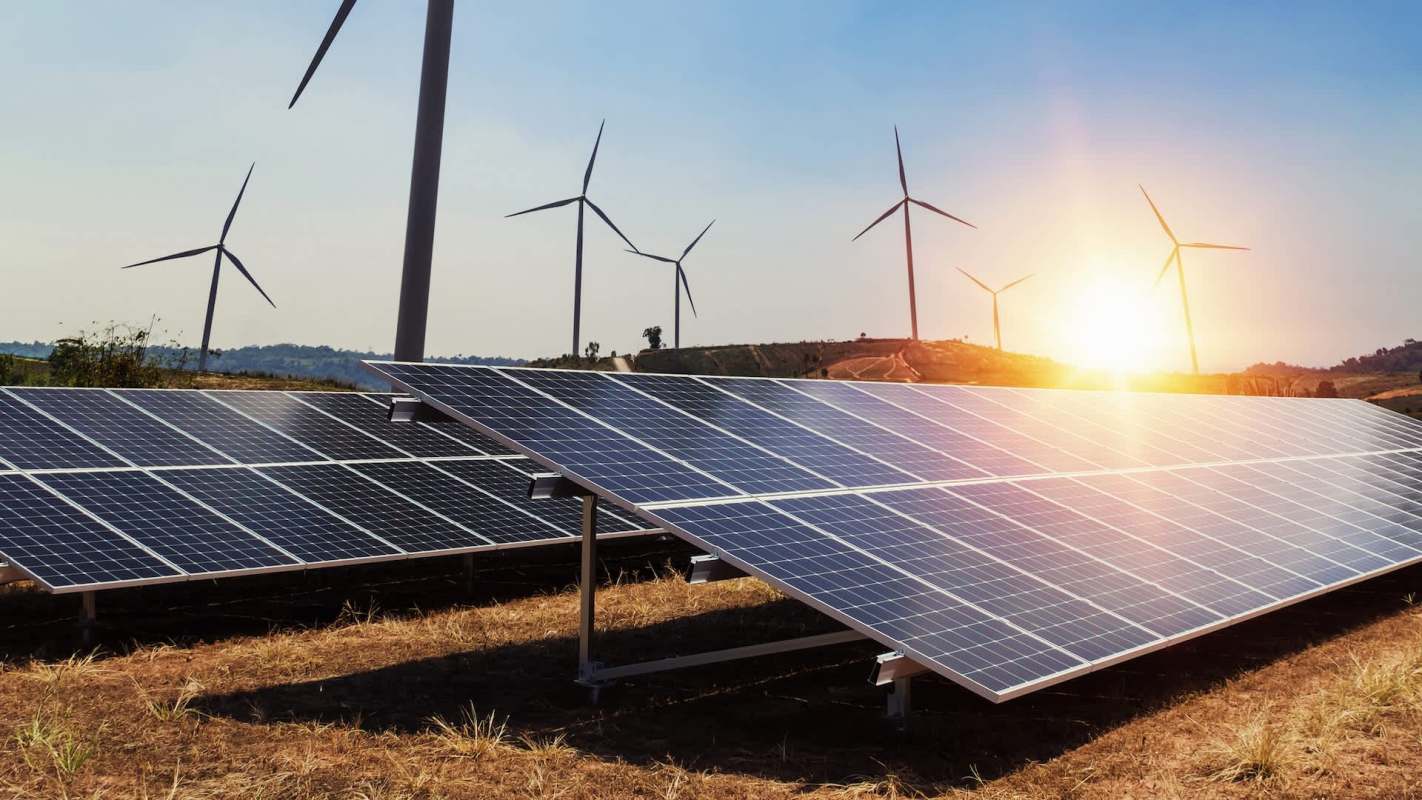
Supporters contend that adding more lower-cost generation — especially utility-scale solar and onshore wind — would increase grid supply, ease bottlenecks, and gradually reduce some of the pressure pushing bills higher.
What's being done?
The coalition is pushing for reforms at both the Pennsylvania Public Utility Commission and PJM.
One priority is House Bill 1834, introduced by state Rep. Robert Matzie, which would require data centers to supply their own energy and mandate that some of it come from new clean sources.
Katie Blume, legislative director of Conservation Voters of PA, said, "We want to remove barriers to clean energy generation. We want to have people be able to adopt low-cost energy technologies, whether that is battery storage, solar, wind, geothermal. These are increasingly the cheapest sources of new power."
Another proposal, House Bill 2224, introduced by state Reps. Elizabeth Fiedler and Danilo Burgos, would cap investor-owned utilities' return on equity. Advocates say that could help rein in profits that have grown even as customers struggle with rising bills.
The coalition is also calling for billing reforms, weatherization support, and stronger energy efficiency programs. Supporters say those changes could provide more protection from shutoffs, reduce home energy use, and keep monthly costs manageable.
"It really is an affordability-first agenda," Blume said.
As Marx put it: "So we do know the solutions, but what we need now is political will to finish the job."

Get TCD's free newsletters for easy tips, smart advice, and a chance to earn $5,000 toward home upgrades. To see more stories like this one, change your Google preferences here.






