


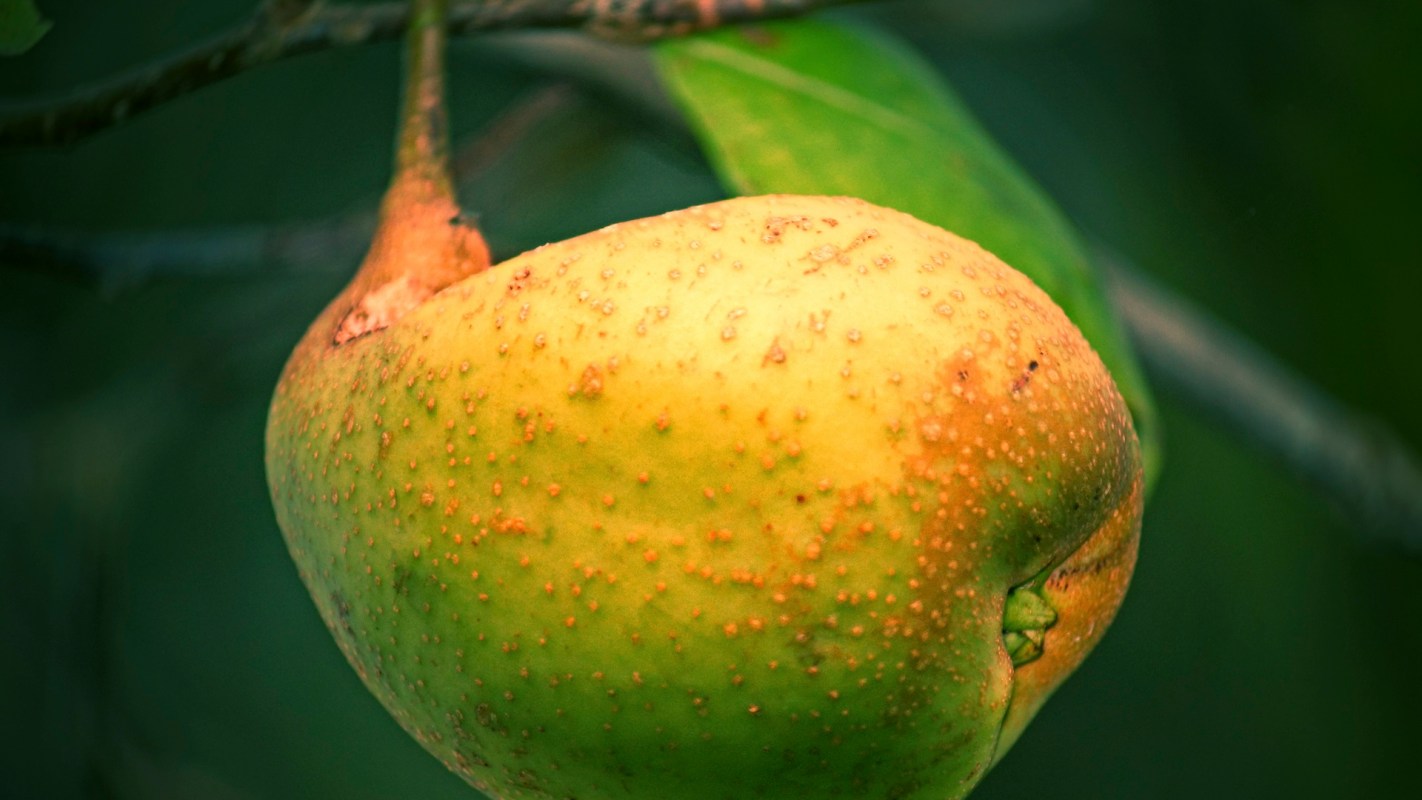
Oregon pear growers say a bigger harvest did not lead to bigger profits. Instead, a combination of oversupply and pest damage left many farms reeling and looking to the federal government for help.
What's happening?
Pear growers in the Hood River Valley estimated they lost $40-45 million during the 2025 season after prices fell for some pears and other varieties became impossible to sell, according to Oregon Public Broadcasting.
The season began with trouble for Bartlett pears. According to Lesley Tamura, a grower and chair of the Columbia Gorge Fruit Growers, the market was already saturated.
As OPB detailed, Del Monte's pear cannery in Yakima, Washington, closed in May, which made matters worse by eliminating a major destination for fruit that would normally be processed.
That forced more Bartlett pears into the fresh market, driving prices even lower. "And that really did a lot of damage," Tamura said, "just flooding the market even more so than having a large crop."
At the same time, d'Anjou pears were hit hard by pear psylla, an insect that feeds on trees and leaves behind residue that can lead to dark mold on the fruit.
TCD Picks » Quince Spotlight
💡These best-sellers from Quince deliver affordable, sustainable luxury for all




Data from the Department of Agriculture showed Oregon's pear crop rose from 199,800 tons in 2024, valued at about $120 million, to 271,720 tons in 2025 — a 36% increase, according to OPB. But as growers are finding, more fruit does not always mean more income.
Why does it matter?
The losses underscore how vulnerable food producers can be to forces beyond their control, including market disruptions, extreme weather, and pest outbreaks. Even when yields are strong, growers can still face severe financial pressure if prices collapse or fruit quality suffers.
For farming communities, that can mean debt, tight cash flow, and uncertainty about whether family operations can continue. Tamura said growers would be lucky to bring in only half of what they would in a typical year.
That strain can spread beyond the orchard. Pear farming supports jobs and local economies in the Columbia Gorge, and when growers are forced to rely on credit or personal assets to stay afloat, the effects can ripple outward.
The situation also highlights a basic reality for shoppers and producers alike: A healthy food system depends not just on abundant harvests but on stable markets, functioning infrastructure, and protection from damaging pests. Widespread crop losses can lead to higher sticker prices in store aisles.
What's being done to help these pear growers?
Pear growers asked Hood River County commissioners for an emergency declaration, hoping local action could persuade the USDA to issue a federal emergency declaration as well, according to OPB.
A local declaration would not provide much direct relief, Tamura said, but it could strengthen the case for federal assistance. If the USDA acts, growers could gain access to low-interest loans to help manage the financial fallout.
County officials are still reviewing whether the pest damage and economic losses meet the threshold for an emergency declaration, Katie Skakel, Hood River County's emergency and resilience program manager, told OPB.
At the federal level, some aid money has already been released from the $12 billion set aside for farmers dealing with economic challenges tied to low crop prices and trade disputes. But only $1 billion of that total is earmarked for fruits and vegetables, and growers still do not know when applications will open or when relief might arrive.
"We are basically having to turn to lines of credit or leveraging our personal assets to try to keep us going until we may get some more money later this year," Tamura said.

Get TCD's free newsletters for easy tips, smart advice, and a chance to earn $5,000 toward home upgrades. To see more stories like this one, change your Google preferences here.






