


While more projects in wind power, hydropower, and bioenergy, one renewable energy project is making headlines for potential side effects during installation.
What's happening?
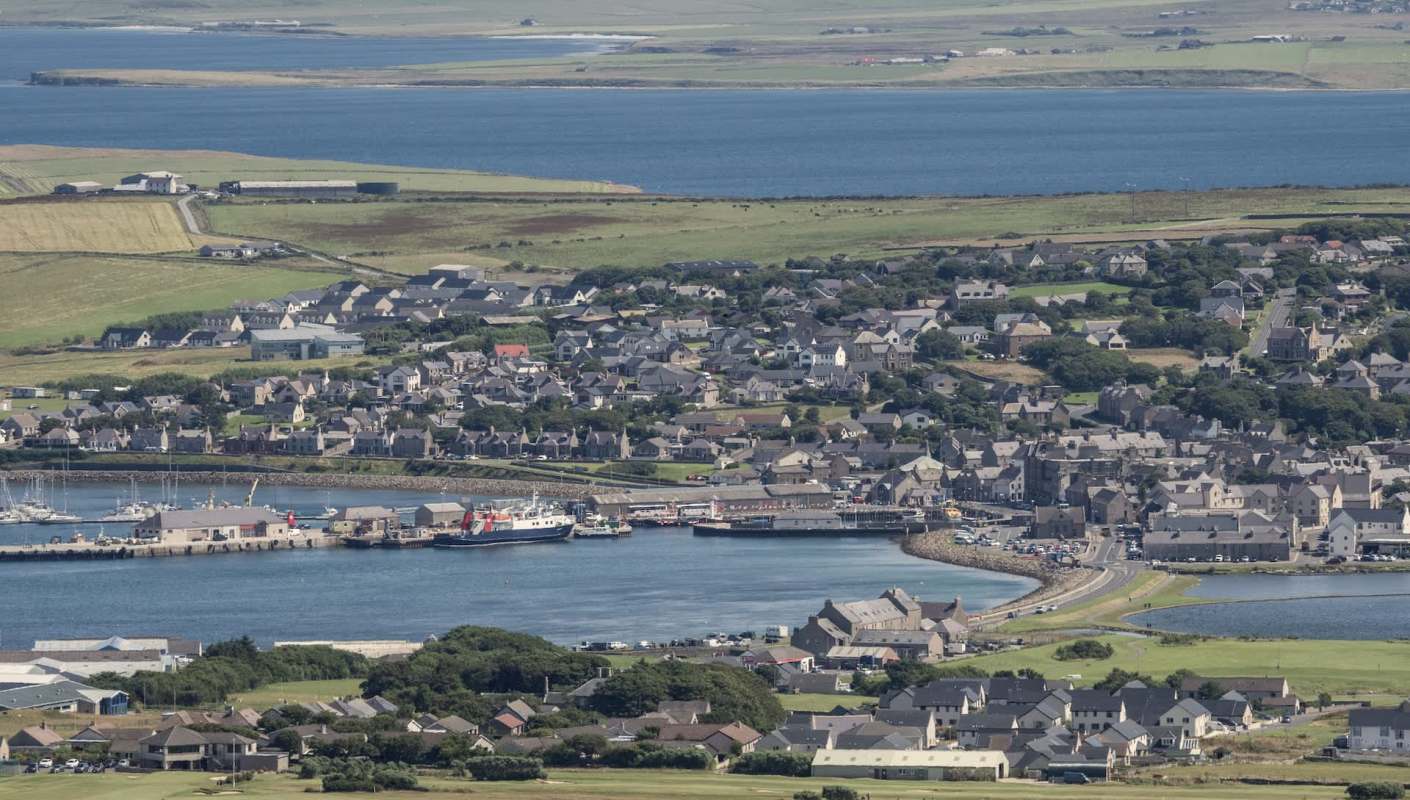
According to The Telegraph, the Orkney Link Transmission Project, a green energy sea cable project led by Ed Miliband, will allow renewable electricity to be sent from Scotland's mainland to Orkney via an undersea cable. The interconnectors currently in place are not large enough to transport the energy they generate.
This cable was first approved in 2019, and the project was overseen by the Department for Energy Security & Net Zero.
Experts and members of the public are questioning the cable project because of nuclear safety concerns. The cables could spread decades-old "irradiated particles" along Orkney's beaches from the decommissioned Dounreay nuclear power plant, which closed in the 90s. If the particles are disturbed, radioactive forms of americium, niobium, and cobalt could spread and affect wildlife.
Officials claim the risk is small; however, the government has included a £20 million (almost $27.2 million) taxpayer-backed insurance policy to cover a clean-up if needed.
Why are sea cables important?
The project will span over 500 miles of coastline, through many areas of scientific interest and with abundant wildlife, including seals, whales, and seabird colonies. Despite the low risk, it's important to consider that even a simple disturbance could greatly damage a fragile ecosystem.
Despite the Dounreay site having been closed for three decades, radioactive waste is still being found. Cleanups are still ongoing, showing that a small spill could affect the land for decades.
It's important to note that, despite the potential disturbance, the increase in green energy could greatly reduce the need for fossil fuels across Scotland, therefore reducing pollution for millions of folks.
Green energy is also far more efficient, cost-effective, and sustainable long-term. A similar project in Australia will connect Victoria and North West Tasmania to create more affordable and reliable energy.
What's being done about the sea cables?
A spokesman from Scotland's Energy Department told The Telegraph, "Our mission for clean power by 2030 will get us off the rollercoaster of fossil fuel prices, to cut bills for businesses and households for good. This project unlocks Orkney's clean power opportunities, supports a stronger local economy, and delivers a more efficient and secure grid for all."
TCD Picks » Quince Spotlight
💡These best-sellers from Quince deliver affordable, sustainable luxury for all




The outlet also noted that the cables will avoid the areas with the rarest sea creatures, and most of the at-risk areas are not accessible by the public.
|
What's the most you'd pay per month to put solar panels on your roof if there was no down payment?
Click your choice to see results and speak your mind. |
 $200 or more 💰
Get TCD's free newsletters for easy tips to save more, waste less, and make smarter choices — and earn up to $5,000 toward clean upgrades in TCD's exclusive Rewards Club.
Cool Picks




