


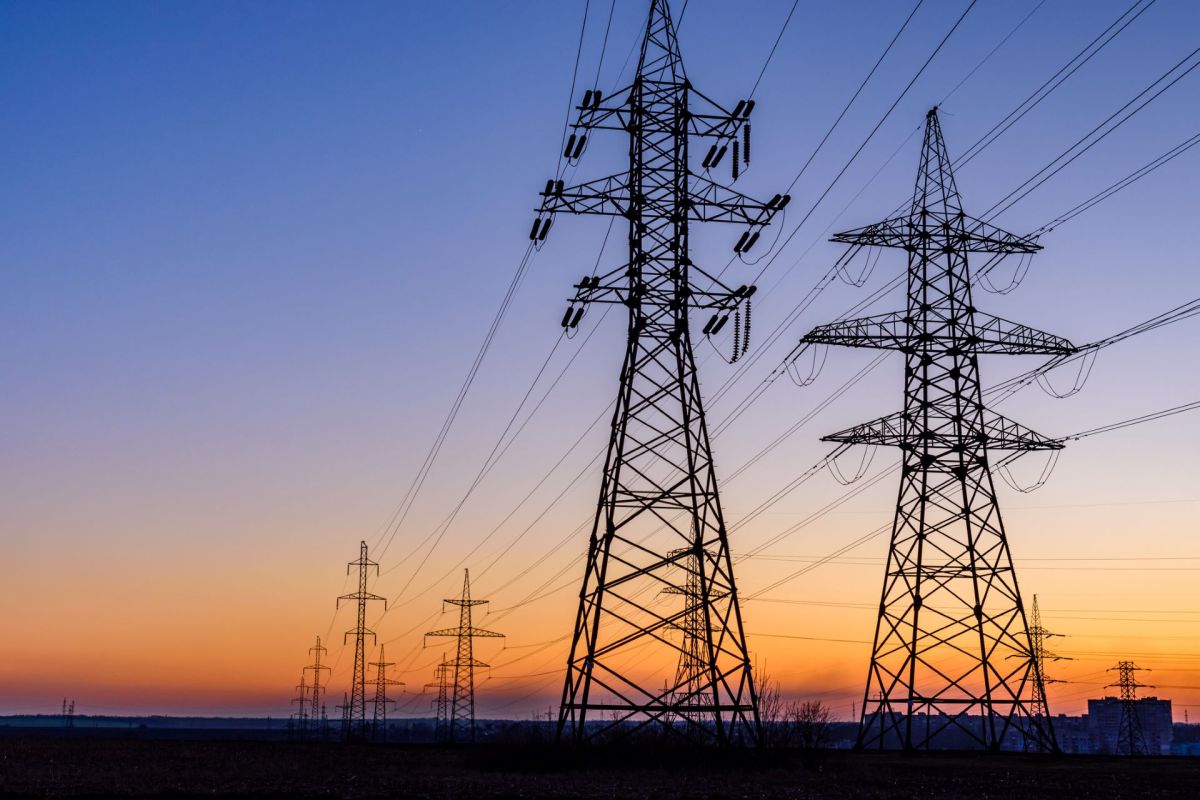
Oregon is in the same boat as other U.S. states, as technologies like artificial intelligence are consuming immense computing power in data centers while the climate crisis continues to create unexpected temperature spikes.
These influences and others are causing surges in energy demand, necessitating creative infrastructure. In response, Oregon has carefully considered nuclear power, as the Oregon Capital Chronicle reported.
The Oregon Energy Strategy has outlined the state's energy plans for the next 25 years. Buildings will become more energy-efficient, and everyone will adopt greener energy sources, such as solar, thermal, and wind.
Nuclear is included in the prospective mix with hesitation. In 1980, Oregon voters prohibited the construction of new nuclear power plants, and as a result, the state now has none.
Max Woods from the Oregon Department of Energy stated the nuclear safety and emergency preparedness team would be "taking a more cautious approach" to being "nuclear curious." It pulls some nuclear energy from its neighboring state, Washington, but nothing is sourced on state soil.
While nuclear was mentioned infrequently in the report, it is one of the best intermediary solutions as countries transition to 100% renewable energy.
It is an effective, low-carbon energy source, and according to the Nuclear Energy Institute, it saves 470 million metric tons of planet-warming gases from entering the atmosphere every year.
It does have drawbacks, including the management radioactive waste, infrastructure costs, and safety concerns. This is what makes leaders, like Woods, hesitant to invest in it too deeply.
However, the state has highly consumptive data centers. Oregon must diversify its energy generation and distribution to match and, eventually, exceed demand — even if it means adopting nuclear, despite low citizen buy-in.
People on social media have celebrated the exploration of nuclear energy, with one Reddit user saying, "Time to take matters into our own hands. … Way to go Oregon."
TCD Picks » Quince Spotlight
💡These best-sellers from Quince deliver affordable, sustainable luxury for all




|
Should we be pouring money into nuclear fusion technology? Click your choice to see results and speak your mind. |
 Yes — it'll pay off 👍
 The Executive Director of the Renewable Hydrogen Alliance, Erin Childs, issued a statement about the strategy in an Instagram post, saying, "The Oregon Energy Strategy has affirmed that renewable and low carbon fuels have an important role to play … State policy empowering businesses and public agencies to invest in clean fuel infrastructure will be essential for Oregon to meet its clean energy goals."
While this is a step in the right direction, advocating for comprehensive policy changes is the most effective way to fund and normalize cost-effective renewable energy.

Get TCD's free newsletters for easy tips to save more, waste less, and make smarter choices — and earn up to $5,000 toward clean upgrades in TCD's exclusive Rewards Club.
Cool Picks





