


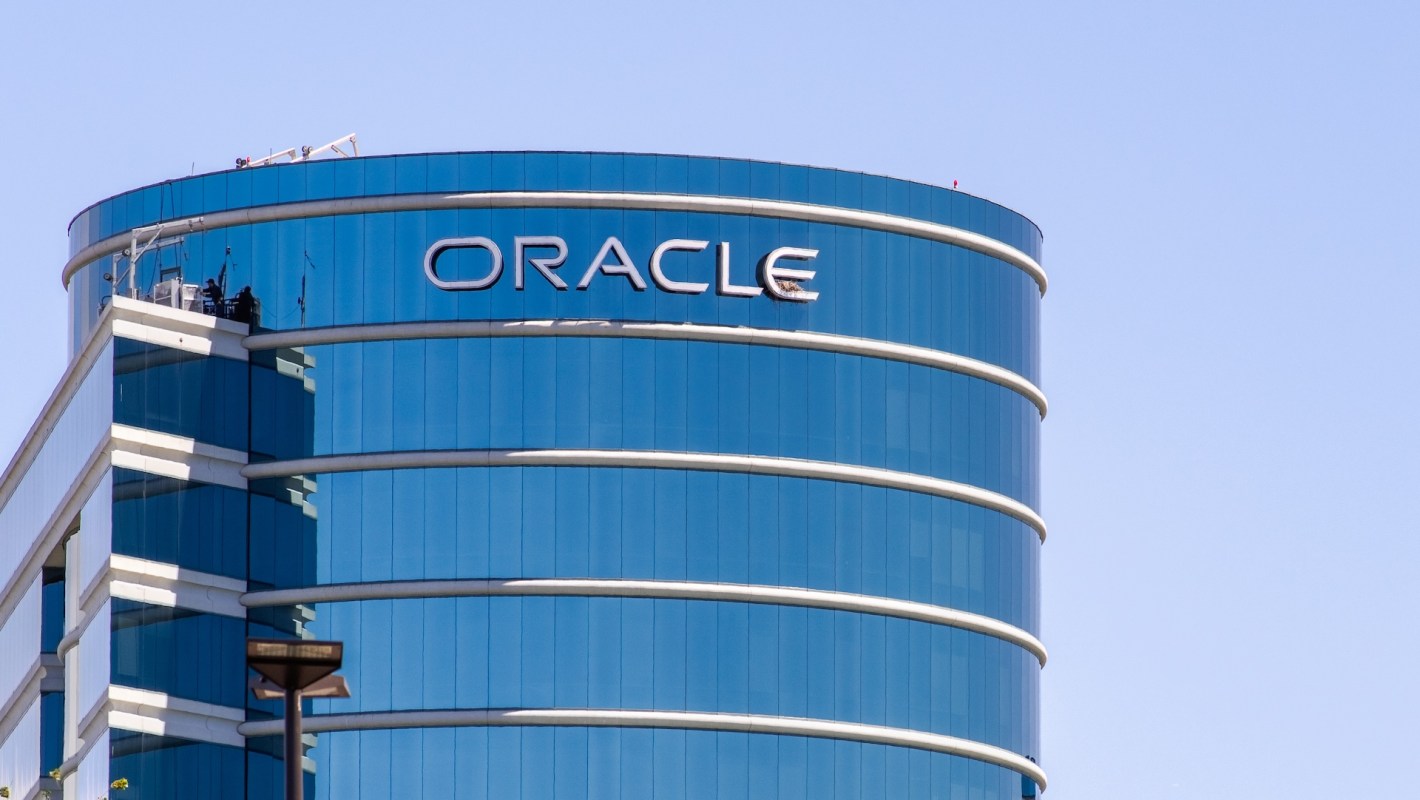
Thousands of Oracle employees received a layoff notice via an early-morning email Tuesday, according to CNBC.
What's happening?
The leading software and technology company reduced its workforce by roughly 18% in preparation for ramping up AI spending.
A TD Cowen analyst said in January that the company could save at least $8 in additional cash flow if it laid off 20,000 to 30,000 employees, CNBC reported, though no official number of affected employees from the official layoffs has been confirmed.
🦔 Oracle laid off between 20,000 and 30,000 employees Tuesday morning, roughly 18% of its global workforce, via a single email sent at 6am EST with no prior warning. System access was revoked almost immediately after. The cuts are expected to free up $8-10 billion in cash flow.… pic.twitter.com/3dEw9JsVNo
— Hedgie (@HedgieMarkets) March 31, 2026
The email, obtained by Business Insider, succinctly notified employees of their termination, with some sources noting the message was sent at 6 a.m. local time.
"After careful consideration of Oracle's current business needs, we have made the decision to eliminate your role as part of a broader organizational change. As a result, today is your last working day," part of the email read.
Despite the layoffs, Oracle remains optimistic that its investments in artificial intelligence will result in increased earnings, with CNBC noting that this anticipated growth serves as the rationale behind significant workforce reductions.
Why are the layoffs concerning?
Oracle's decision to cut nearly 30,000 employees comes at the height of mass layoffs as automated systems and AI bots replace human jobs.
Big tech companies, in particular, have been quick to replace large portions of their workforce with artificial intelligence. These roles lost to AI are especially concerning as people lose job opportunities regardless of education or experience.
Consumers, on the other hand, are also feeling the impacts as reports of frustrating experiences with AI chatbots and automated systems increase.
The consequences of AI extend beyond the labor market, too. The data centers used to power these systems can cause severe harm to the environment, releasing harmful emissions into the atmosphere while simultaneously using excessive amounts of precious resources like water and electricity.
TCD Picks » Quince Spotlight
💡These best-sellers from Quince deliver affordable, sustainable luxury for all




Residents in surrounding areas have reported instances of polluted water and skyrocketing energy bills as a result.
|
Which of these savings plans for rooftop solar panels would be most appealing for you?
Click your choice to see results and earn rewards to spend on home upgrades. |
 Save $1,000 this year 💸
 What's being done about mass layoffs in the wake of AI?
Tech companies like Oracle portray their decision to lay off employees as a necessity for more cash flow toward building out AI infrastructure.
And, unfortunately, companies may continue to take advantage of the industry's scant regulation if executive orders remain in favor of limiting AI regulation.
On the flip side, public opposition to data centers and AI integration has made substantial moves in limiting the construction of these facilities and systems. It is crucial for the public to remain steadfast in these demonstrations to gain the attention of tech executives and government officials.

Get TCD's free newsletters for easy tips to save more, waste less, and make smarter choices — and earn up to $5,000 toward clean upgrades in TCD's exclusive Rewards Club.
Cool Picks




